A Comprehensive Guide to Tire Maintenance for Optimal Safety


Introduction to Tire Maintenance
Maintaining your vehicle's tires is crucial for ensuring optimal safety on the road. Regular tire maintenance not only enhances performance but also extends the life of your tires and improves fuel efficiency. In this guide, we'll explore essential tire maintenance tips to keep your journeys safe and smooth.
Regular Tire Inspections
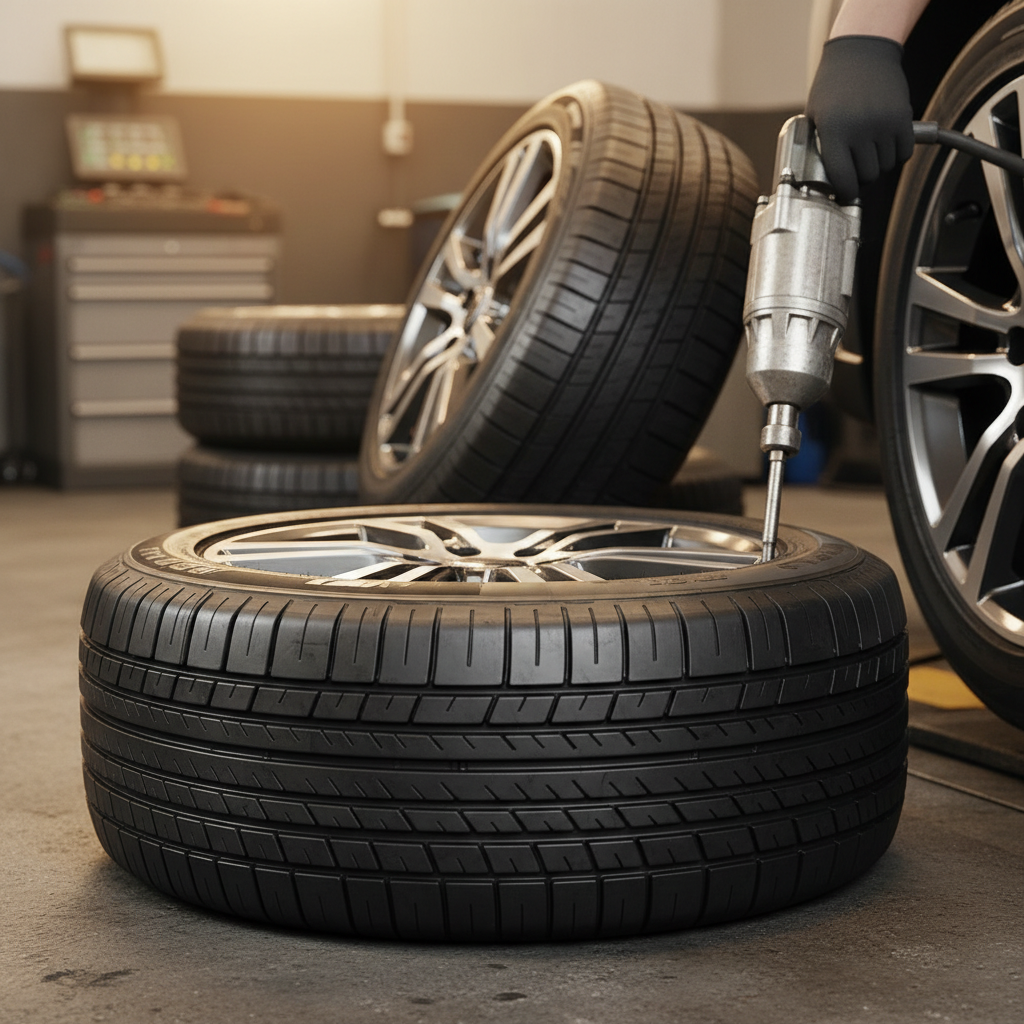
Conducting regular tire inspections is the first step in maintaining tire health. Look for visible signs of wear and tear, such as cracks or bulges, which could indicate potential issues. Additionally, inspect the tread depth, as adequate tread is vital for maintaining traction on the road.
Checking Tread Depth
The tread depth of your tires is crucial for safe driving, especially in wet conditions. Use a tread depth gauge or the penny test to ensure your treads are within the safe range. Insert a penny into the tread groove with Lincoln's head upside down; if you can see all of Lincoln's head, it's time to replace the tires.
Maintaining Proper Tire Pressure
Keeping your tires inflated to the recommended pressure is essential for optimal performance and safety. Under-inflated tires can lead to poor fuel efficiency and increased wear, while over-inflated tires may cause a harsh ride and uneven tread wear.
How to Check Tire Pressure
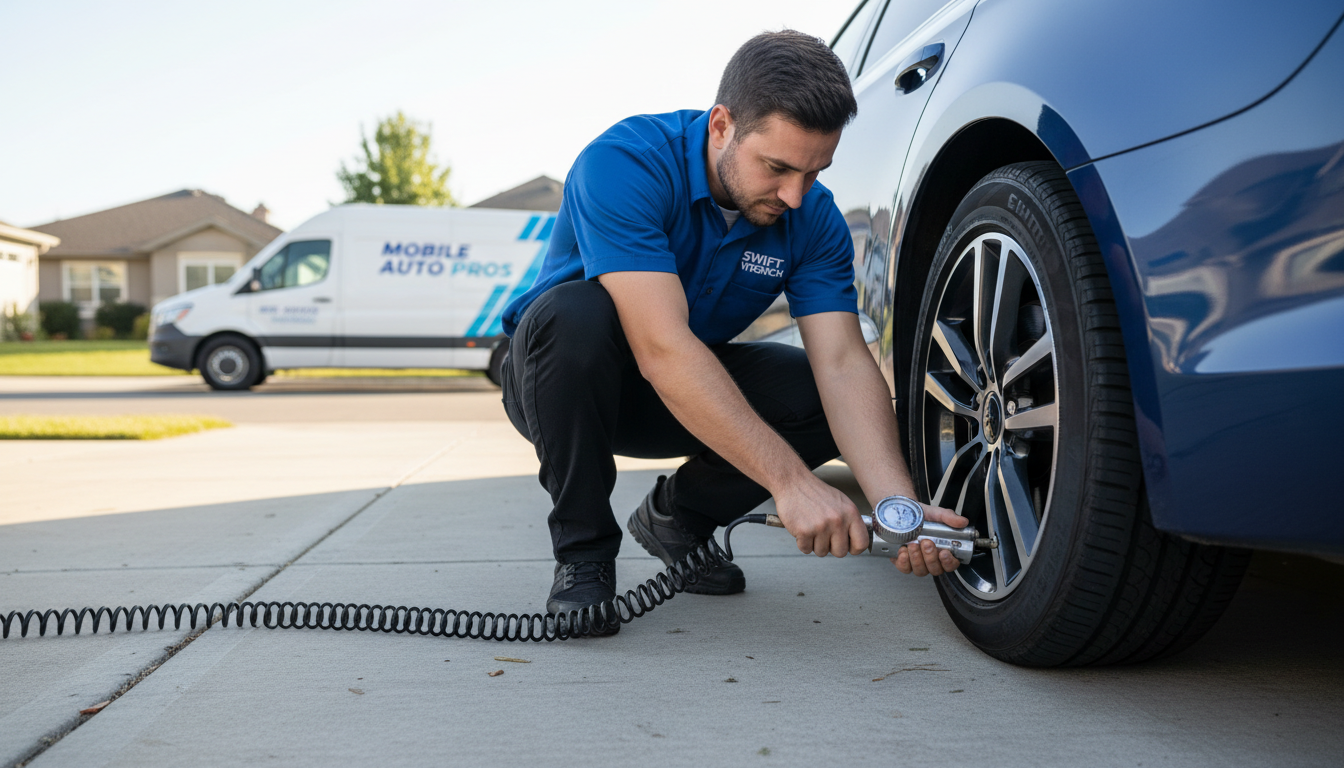
To check tire pressure, use a reliable tire pressure gauge. Remove the valve cap and press the gauge onto the valve stem. Compare the reading to the manufacturer's recommended pressure, which you can find in your vehicle's manual or on the driver's side door jamb.
Importance of Tire Rotation
Rotating your tires regularly helps ensure even wear and extends their lifespan. Tire rotation involves moving the tires from one position to another, such as front to back or side to side. This distributes wear more evenly and maintains balanced handling.
When to Rotate Tires
Most manufacturers recommend rotating tires every 5,000 to 8,000 miles. However, consult your vehicle's manual for specific guidance. Regular rotation can prevent uneven tread wear and improve overall driving safety.
Wheel Alignment and Balancing
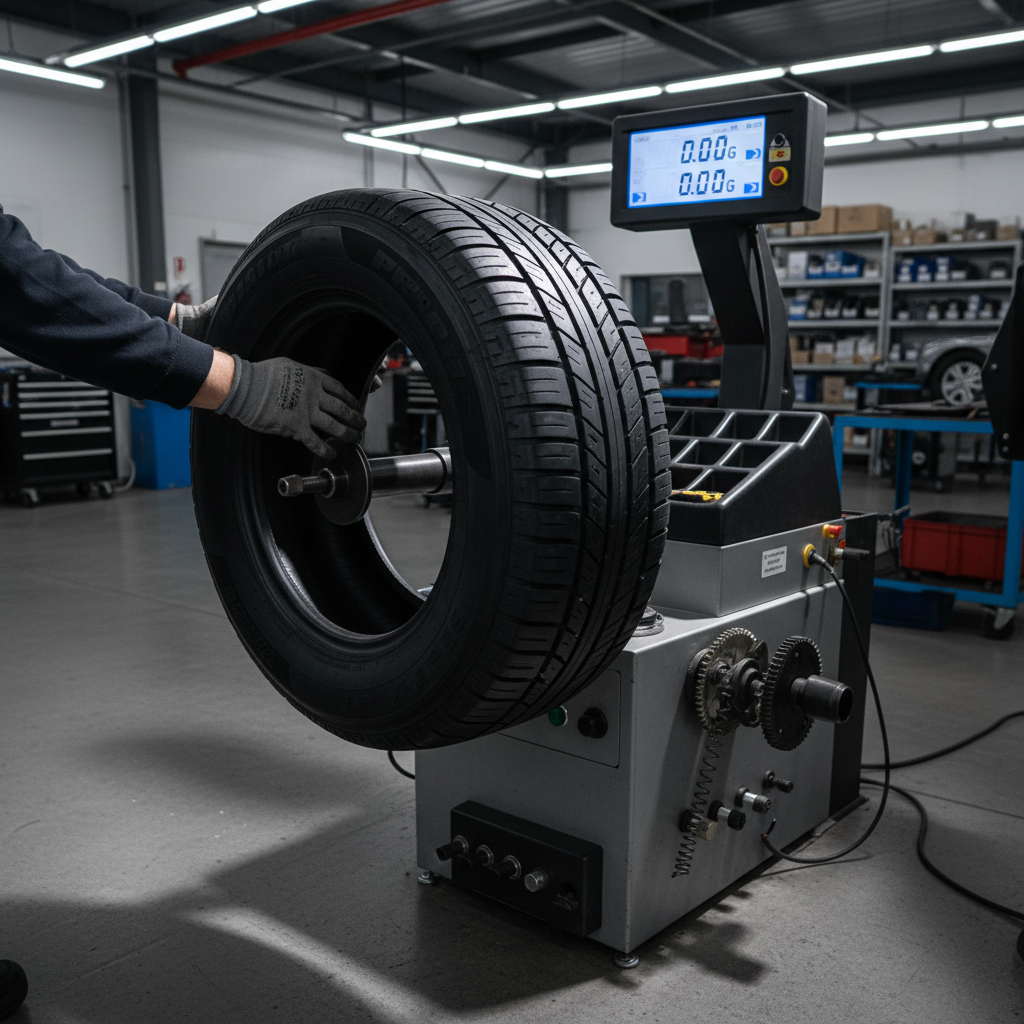
Proper wheel alignment and balancing are crucial for tire longevity and vehicle safety. Misaligned wheels can cause uneven tire wear, pulling to one side, and decreased fuel efficiency. Balancing ensures that the weight of the tire and wheel is evenly distributed.
Signs of Misalignment
Common signs of misalignment include uneven tire wear, the vehicle pulling to one side, or a crooked steering wheel when driving straight. If you notice any of these signs, have your alignment checked by a professional.
Conclusion
Regular tire maintenance is a key component of vehicle safety and efficiency. By following these tips, you can ensure that your tires remain in top condition, providing a safer and more comfortable driving experience. Remember, well-maintained tires not only protect you on the road but also save money in the long run.