
Common Tire Myths Busted: What You Need to Know


Myth 1: All-Season Tires Are Perfect for Every Season
One of the most common myths is that all-season tires are suitable for every weather condition. While they offer a balanced performance in mild climates, they are not optimized for extreme weather. Winter tires are specifically designed for icy or snowy conditions, providing better grip and safety.
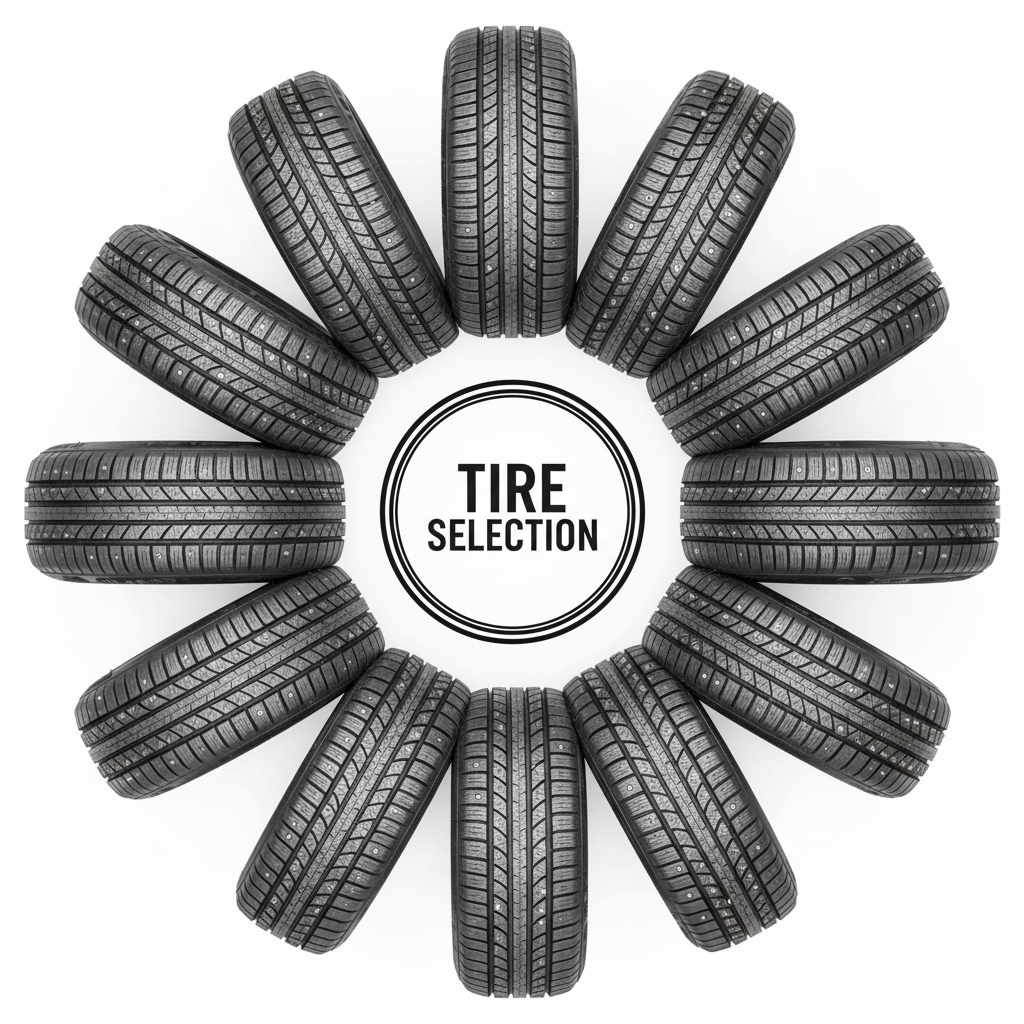
Understanding Tire Designs
All-season tires are a compromise between winter and summer tires. They perform adequately in a range of conditions but don't excel in any particular one. If you live in an area with harsh winters, it’s wise to invest in a set of winter tires.
Myth 2: You Only Need to Replace One Tire at a Time
Many people believe it's sufficient to replace only one tire when it gets worn out. However, this can lead to uneven wear and affect vehicle handling. Ideally, tires should be replaced in pairs or all at once to maintain balanced performance.
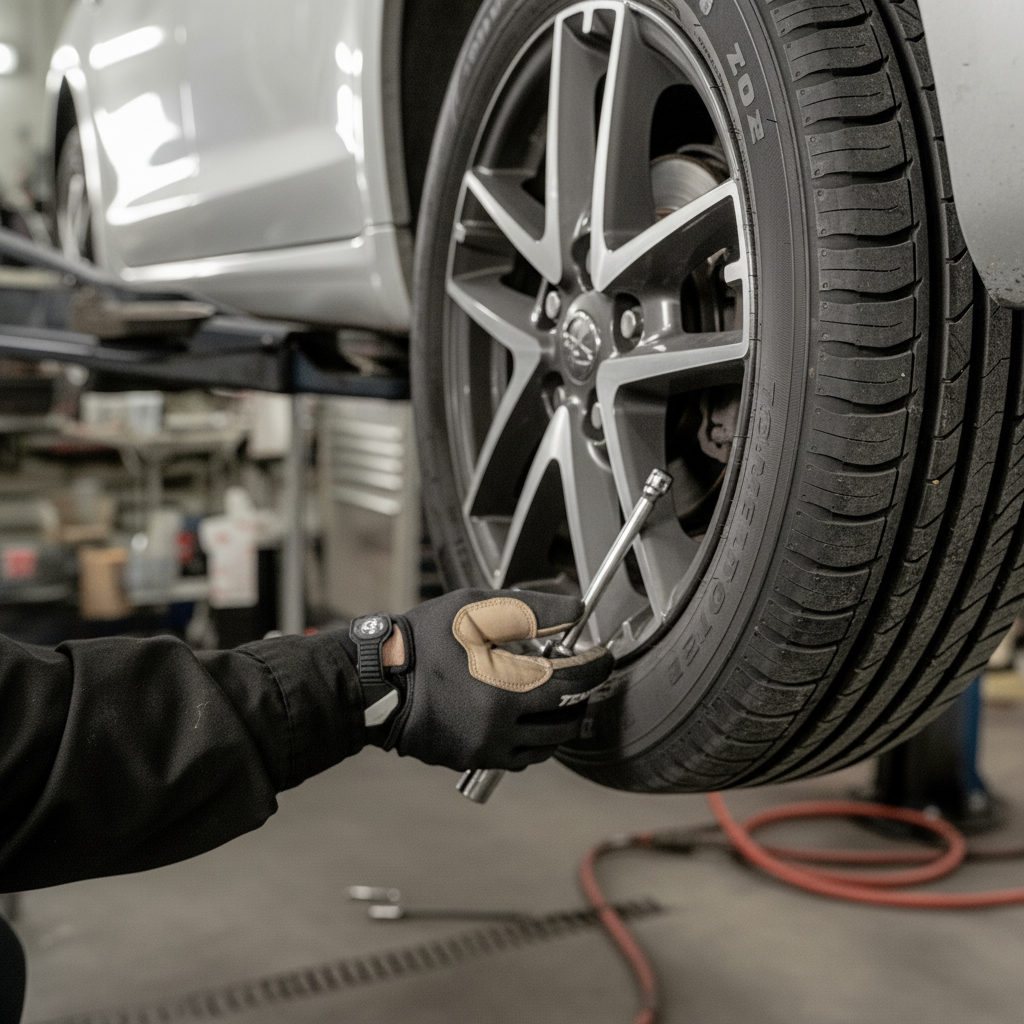
Why Balanced Tires Matter
Having tires with different tread depths can cause your vehicle to pull to one side, reducing stability and increasing the risk of accidents. Replacing tires in pairs ensures even wear and optimal performance.
Myth 3: Tire Pressure Should Match the Maximum PSI on the Tire
It’s a widespread misconception that the tire pressure should match the maximum PSI listed on the tire’s sidewall. This number indicates the tire’s maximum capacity, not the recommended pressure for your vehicle.
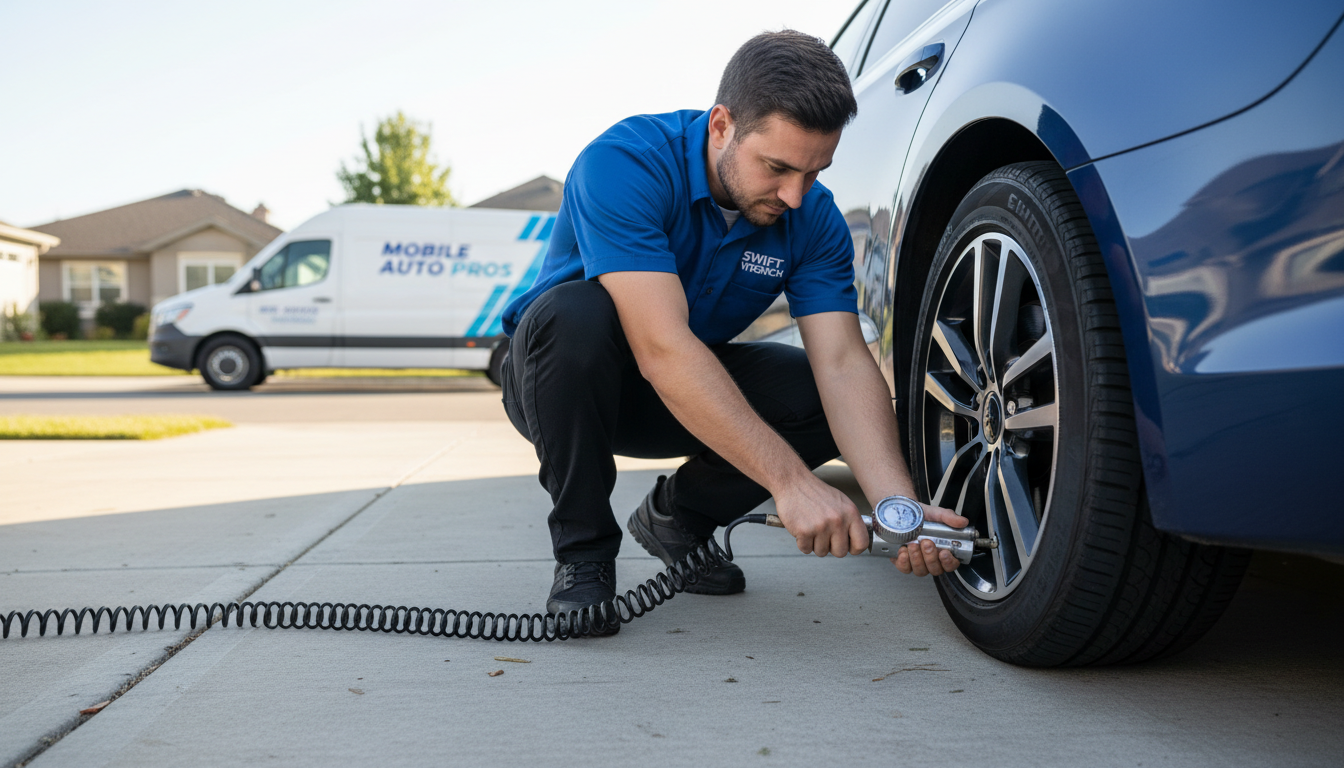
Finding the Right Tire Pressure
The correct tire pressure for your vehicle can usually be found on a sticker inside the driver’s door or in the owner’s manual. Maintaining the appropriate pressure ensures better fuel efficiency, longer tire life, and improved safety.
Myth 4: New Tires Don’t Need to Be Balanced
Some drivers assume that new tires come perfectly balanced. However, even new tires can have slight weight imbalances that affect performance. Balancing ensures even weight distribution across the tire, reducing vibrations and wear.
The Importance of Tire Balancing
Unbalanced tires can lead to uneven tread wear and reduced fuel efficiency. Regularly balancing your tires helps prevent these issues, ensuring a smoother ride and extending tire life.
Myth 5: Tread Depth Is the Only Factor in Tire Safety
While tread depth is crucial for safe driving, it’s not the only factor to consider. Tire age, structural integrity, and even the type of rubber compound also play significant roles in overall safety.
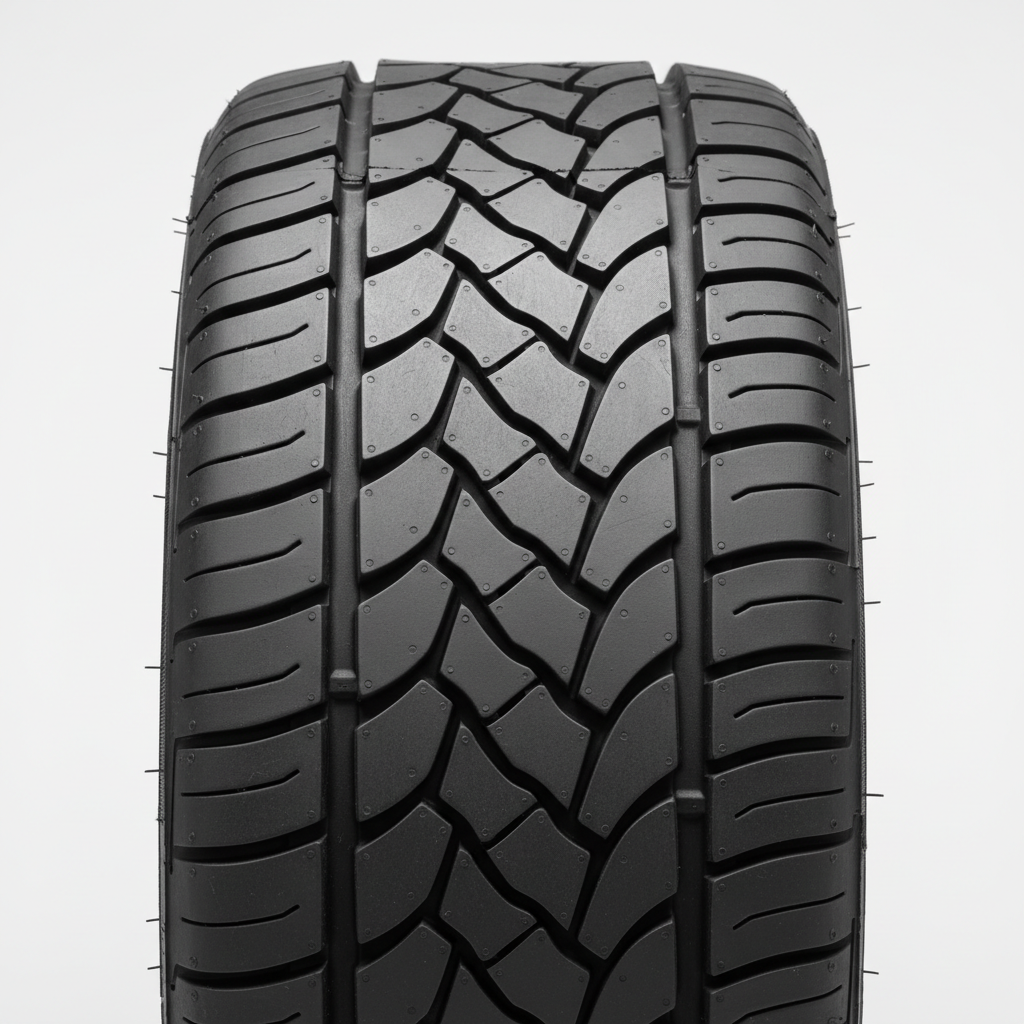
Checking for Other Signs of Wear
A visual inspection for cracks, bulges, or other damage can prevent potential failures. Additionally, understanding the age of your tires and replacing them as needed is vital for maintaining safety.
By debunking these common tire myths, you can ensure that your vehicle is equipped with the best possible tires for your driving conditions. Remember, proper tire maintenance is key to a safe and efficient driving experience.