
Common Tire Myths Busted: What You Really Need to Know


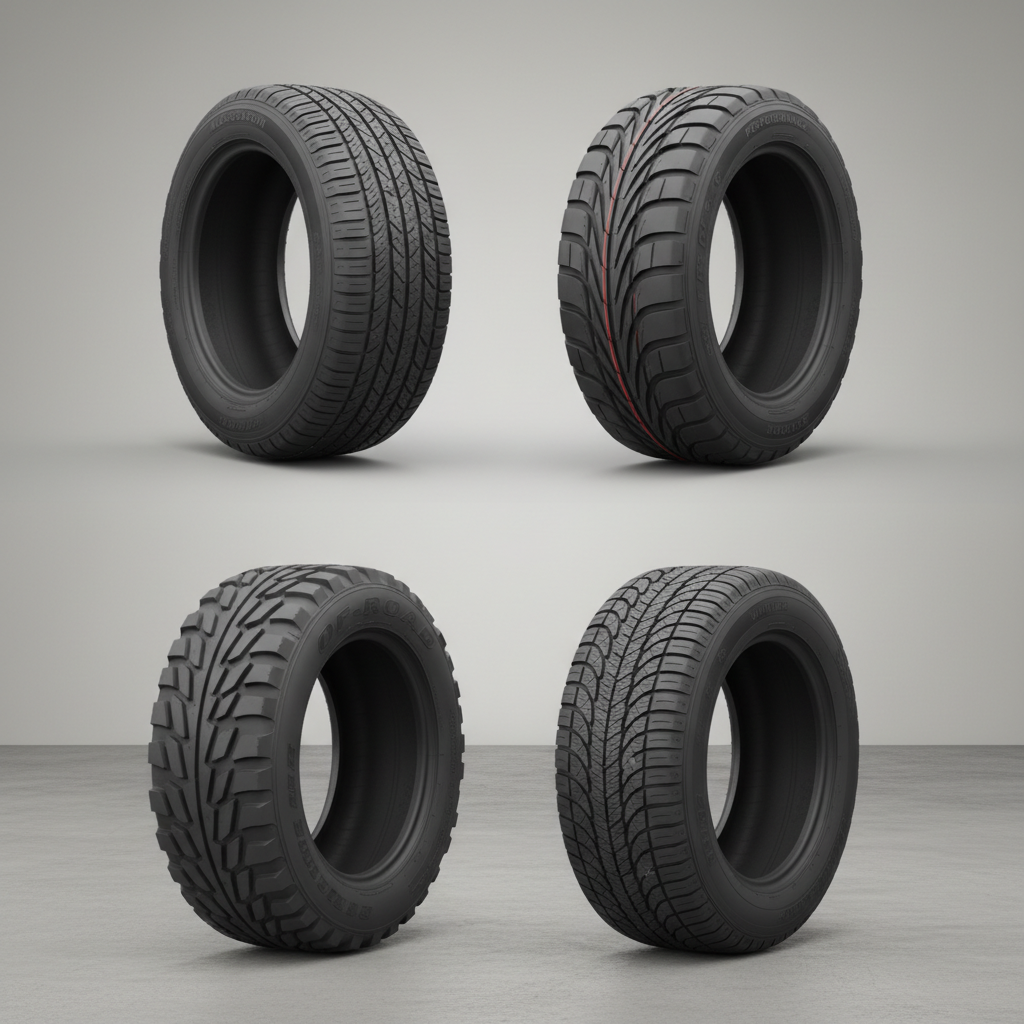
Myth 1: All Tires Are the Same
One of the most common misconceptions is that all tires are interchangeable and deliver the same performance. In reality, tires are specifically designed for different vehicles, conditions, and purposes. Choosing the right tire can significantly impact your vehicle's handling, fuel efficiency, and safety.
Myth 2: Tires Should Only Be Replaced When Worn Out
While it's crucial to replace tires when the tread is worn, this isn't the only reason for a change. Tires can degrade over time due to exposure to elements like sunlight and heat. It's recommended to replace tires every six years, regardless of tread wear, to ensure optimal safety.
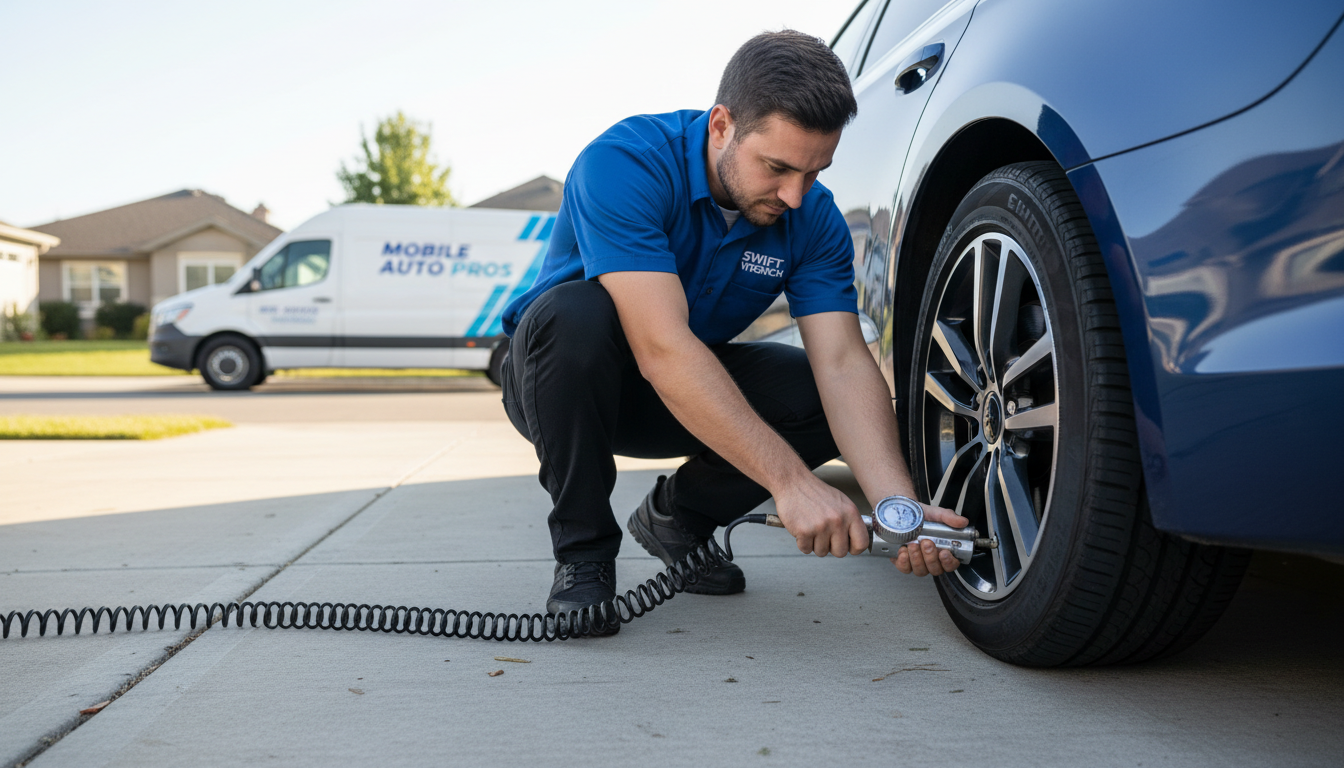
Myth 3: You Can Inflate Tires to the Pressure Listed on Them
Many people believe the pressure listed on a tire's sidewall is the ideal inflation level. However, this number actually represents the maximum pressure the tire can withstand. Always refer to your vehicle's manual for the recommended tire pressure for the best performance and safety.
Myth 4: Used Tires Are Safe
While purchasing used tires can be cost-effective, it often comes with risks. You may not know the tire's history, including potential damage or repairs. It's essential to thoroughly inspect any used tire for signs of wear, age, or defects before making a purchase.
Myth 5: Tire Rotation Isn't Necessary
Some drivers skip tire rotations, thinking it’s an unnecessary expense. However, rotating your tires regularly ensures even wear across all four tires, extending their lifespan and improving performance. Most experts recommend rotating tires every 5,000 to 7,500 miles.
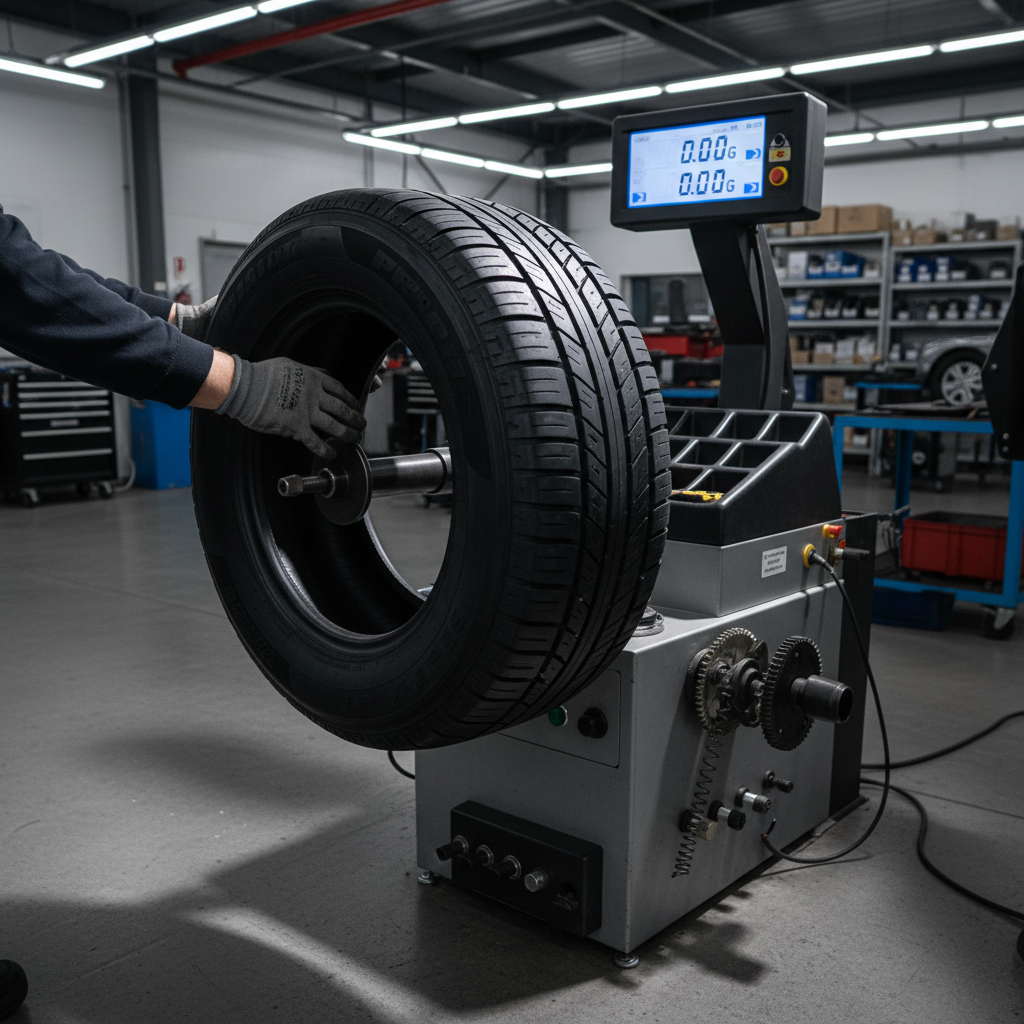
Myth 6: New Tires Should Always Be Installed on the Front
Contrary to popular belief, new tires should be installed on the rear axle to provide better control and stability, particularly in wet conditions. This positioning helps prevent oversteer and maintains the vehicle's balance.
Myth 7: Winter Tires Are Only for Snow
Winter tires are designed to perform better in cold temperatures, not just snow. Their specialized rubber compounds remain flexible in freezing conditions, providing superior traction on icy and wet roads compared to all-season tires.
Conclusion: Making Informed Tire Choices
Understanding the truth behind these common tire myths can lead to smarter decisions and safer driving. Always consult with a tire professional if you're unsure about the best options for your vehicle. Proper tire maintenance and selection are key to maximizing performance and safety on the road.