
Common Tire Myths Debunked: What You Really Need to Know


Myth 1: All Tires Are the Same
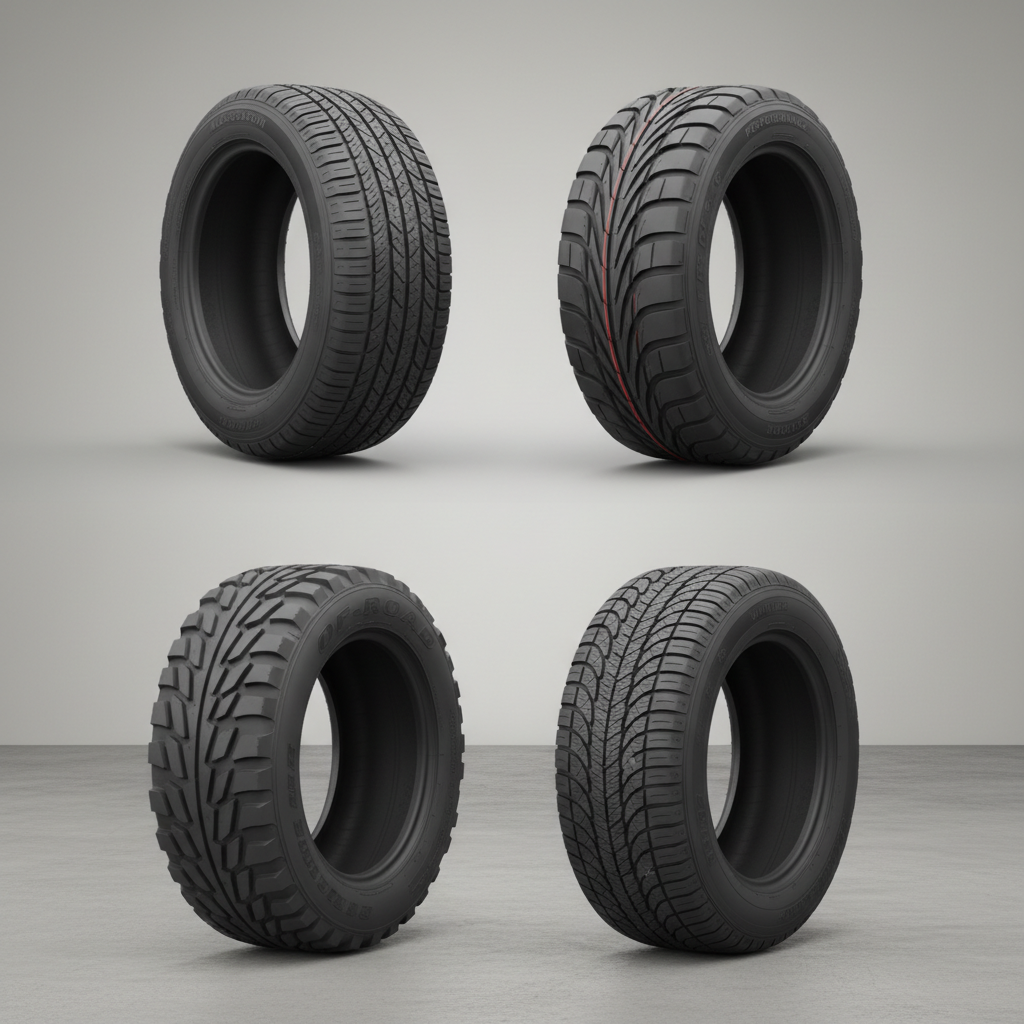
One of the most common misconceptions is that all tires are created equal. However, tires vary significantly in terms of design, material, and purpose. Choosing the right tire is crucial for safety and performance. Whether you're driving in snowy conditions or on a racetrack, selecting the right tire can make all the difference.
Understanding Tire Types
There are several types of tires, each designed for specific conditions. All-season tires are versatile but might not perform as well as winter tires in icy conditions. Similarly, performance tires are suited for speed but may wear out faster. Always consider your driving environment before purchasing.
Myth 2: Tread Depth Isn't Important
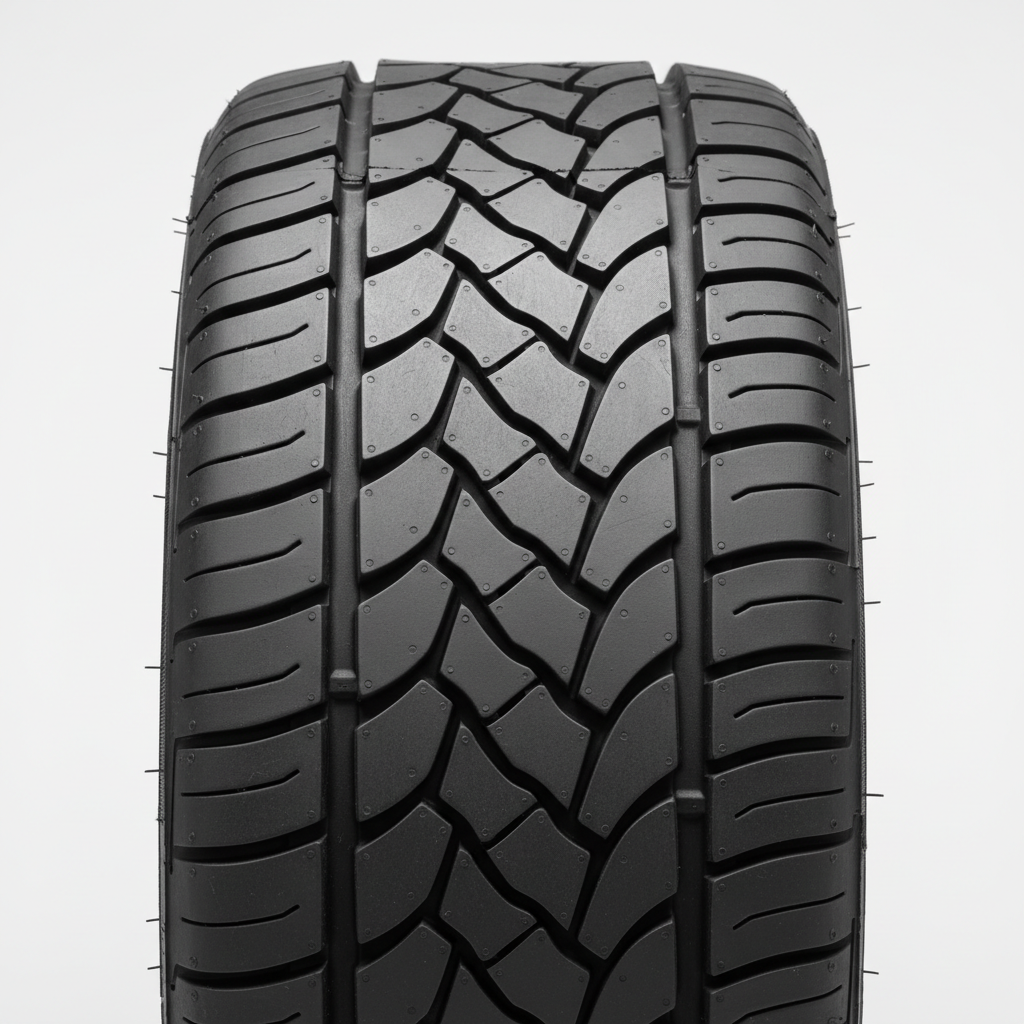
Another widespread myth is that tread depth doesn't significantly impact safety. In reality, tread depth is crucial for maintaining traction, especially in wet conditions. Treads help channel water away, reducing the risk of hydroplaning.
Checking Tread Depth
Regularly checking your tire's tread depth can prevent accidents. Use a tread depth gauge or the penny test to ensure your tires have adequate tread. If the tread is too low, it's time for a replacement.
Myth 3: Tires Can Last Forever
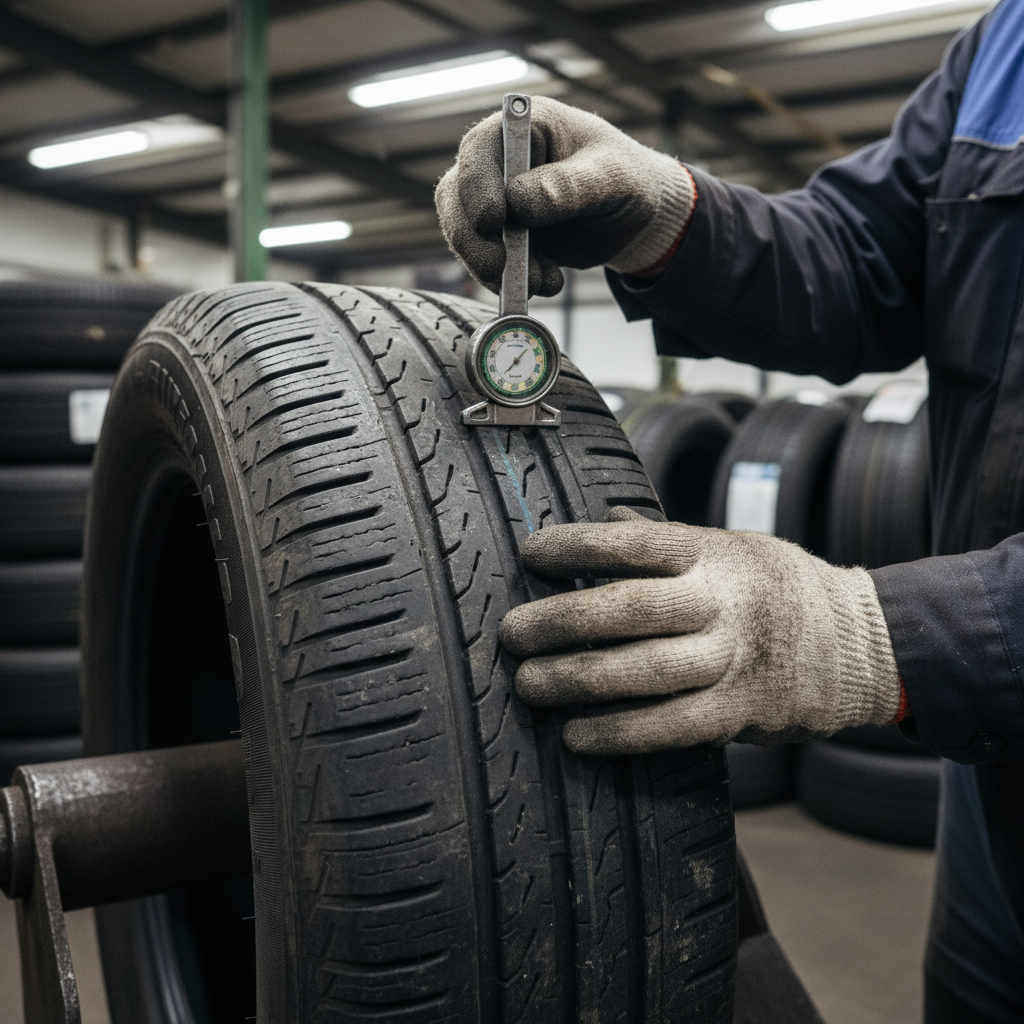
Some drivers believe that with proper maintenance, tires can last indefinitely. Unfortunately, tires degrade over time due to exposure to elements and wear. It's recommended to replace tires every six to ten years, regardless of tread wear.
Signs of Aging Tires
Aging tires may show cracks, bulges, or unusual vibrations. These are signs that your tires need attention. Always adhere to manufacturer guidelines and replace tires when necessary.
Myth 4: Overinflating Tires Improves Fuel Efficiency
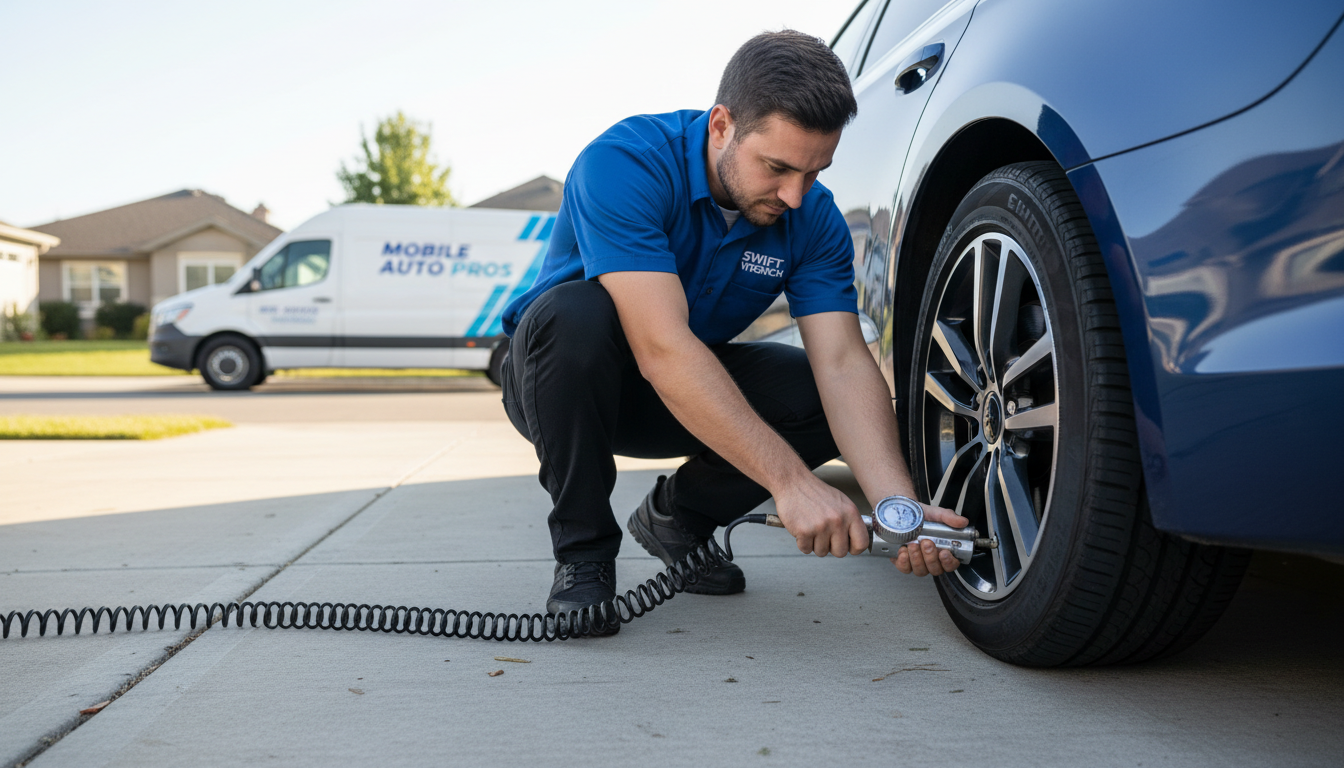
Although slightly overinflated tires may reduce rolling resistance, they compromise grip and increase wear. Proper inflation is key to balancing fuel efficiency and safety. Always follow the manufacturer's recommended tire pressure.
Checking Tire Pressure
Regularly check tire pressure using a reliable gauge. Underinflated tires can lead to decreased fuel efficiency and increased risk of blowouts, while overinflated ones can reduce traction.
Myth 5: New Tires Should Always Go on the Front
There's a myth that new tires should be installed on the front axle. However, placing new tires on the rear axle enhances stability and reduces oversteer, especially in wet conditions.
Ensuring Proper Installation
Proper installation is essential for safety. Always consult with a tire professional to ensure your tires are installed correctly, providing optimal performance and safety.