
Debunking Common Myths About Tire Replacement and Maintenance


Introduction to Tire Myths
When it comes to tire replacement and maintenance, a myriad of misconceptions can lead to costly mistakes. Understanding the truth behind these myths can help you make informed decisions, saving both time and money.

Myth 1: All Tires Need to Be Replaced at the Same Time
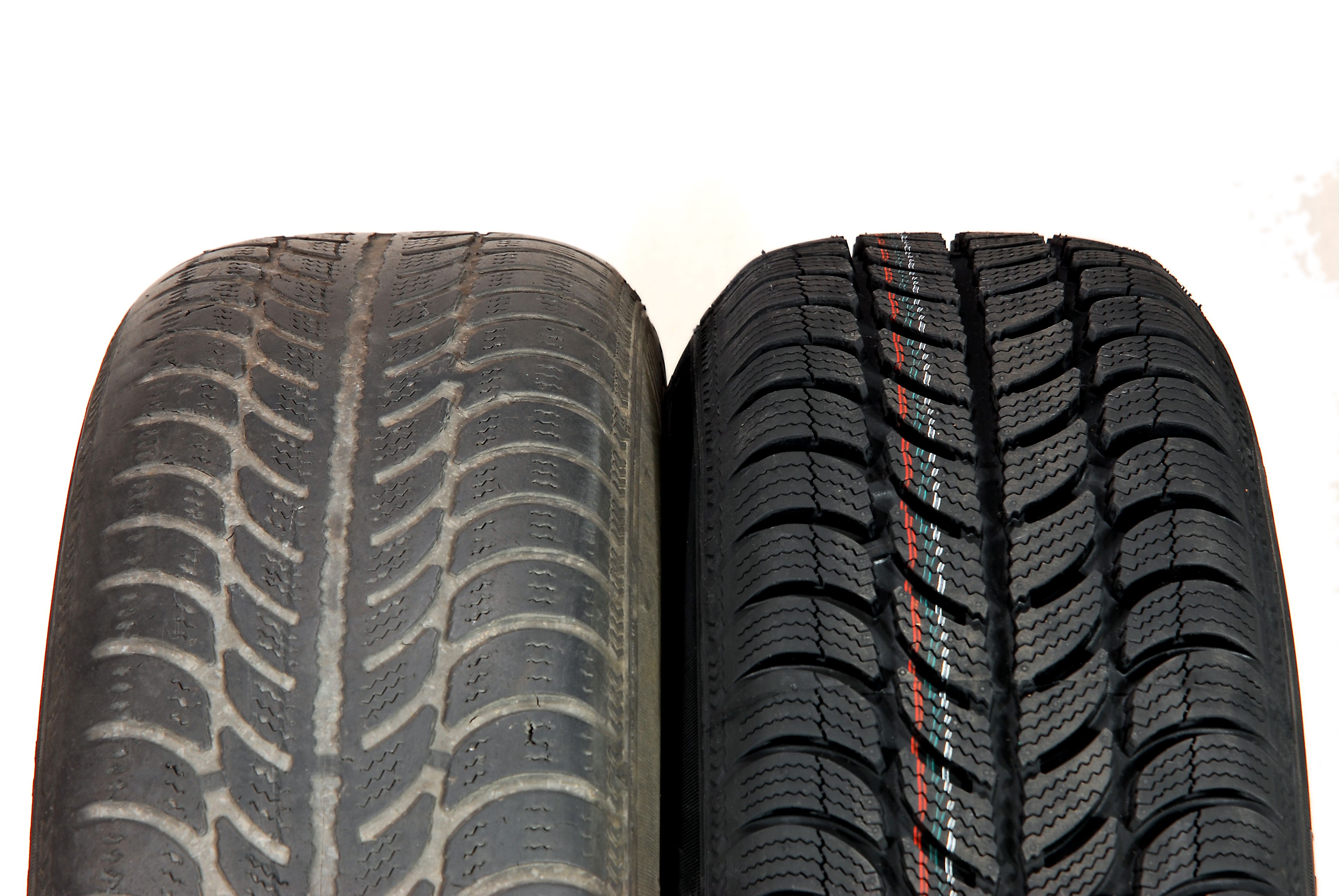
One of the most common myths is that all four tires must be replaced simultaneously. While it's ideal for maintaining balance and performance, it's not always necessary. If one or two tires are significantly more worn than the others, replacing just those can be sufficient.
Considerations for Uneven Wear
Factors such as your vehicle's alignment, driving habits, and tire rotation frequency can contribute to uneven tire wear. Regularly inspect your tires and replace them as needed rather than adhering to the all-at-once myth.
Myth 2: Tires Should Be Replaced Based Only on Mileage
Another widespread belief is that tires should be replaced solely based on mileage. While mileage is a factor, it's not the only one. Tires degrade over time due to exposure to elements, even if not frequently driven.
Understanding Tire Age
Check the manufacturing date on the tire sidewall. Tires older than six years may need replacement regardless of mileage. Regular visual inspections for cracks and sidewall damage can also guide your decision.
Myth 3: Higher Tire Pressure Improves Fuel Efficiency
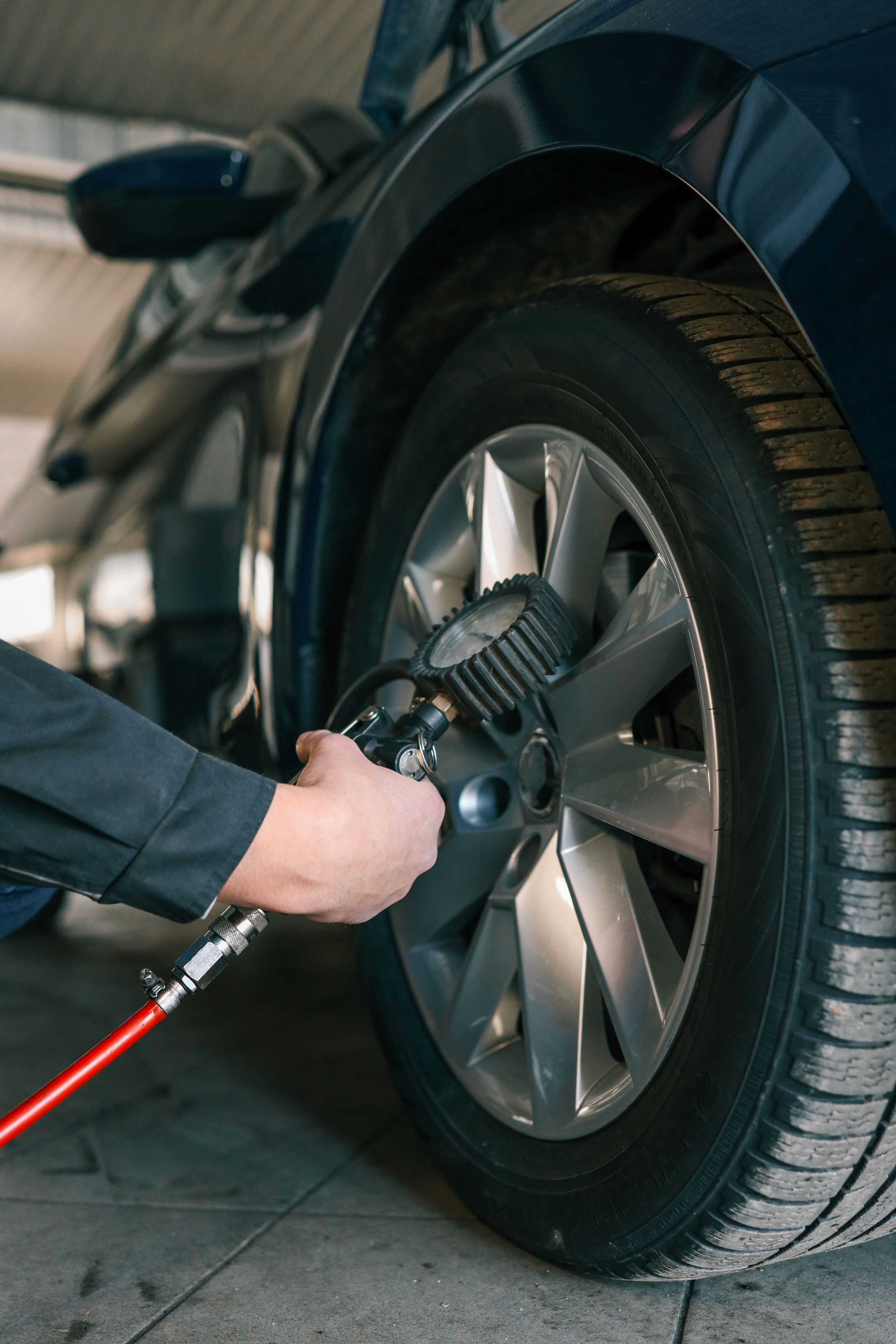
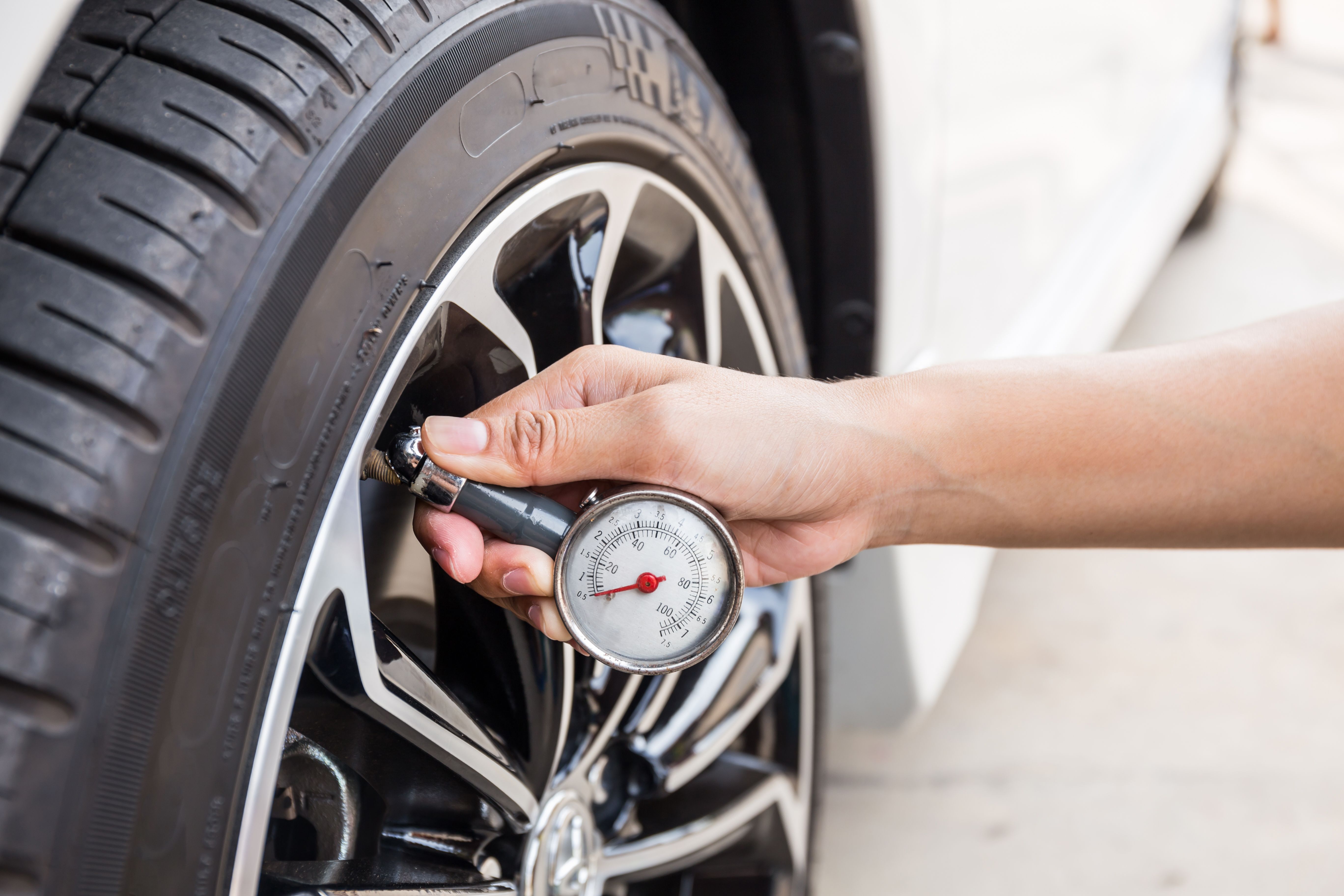
Inflating tires to higher pressures with the hope of improving fuel efficiency is a myth that can lead to safety issues. While properly inflated tires do enhance efficiency, over-inflation can reduce traction and lead to uneven wear.
Maintaining Optimal Pressure
Always follow the manufacturer's recommended tire pressure, usually found in the vehicle's manual or on a sticker inside the driver's door. Regularly check and maintain this level to ensure safety and performance.
Myth 4: Tread Depth Is the Only Indicator of Tire Health
While tread depth is crucial for traction, it is not the sole indicator of tire health. Sidewall integrity, tire age, and evenness of wear are equally important factors.
Comprehensive Tire Assessment
Conduct a comprehensive assessment that includes checking for punctures, cracks, and any signs of damage on the sidewalls. This holistic approach ensures your tires are safe and effective for driving.
Conclusion: Making Informed Decisions
Debunking these common myths about tire replacement and maintenance can lead to more informed decisions, ultimately extending the life of your tires and enhancing your driving safety. Regular inspections and understanding the nuances of tire care play a vital role in keeping your vehicle in top condition.