
Debunking Common Tire Myths: What You Need to Know


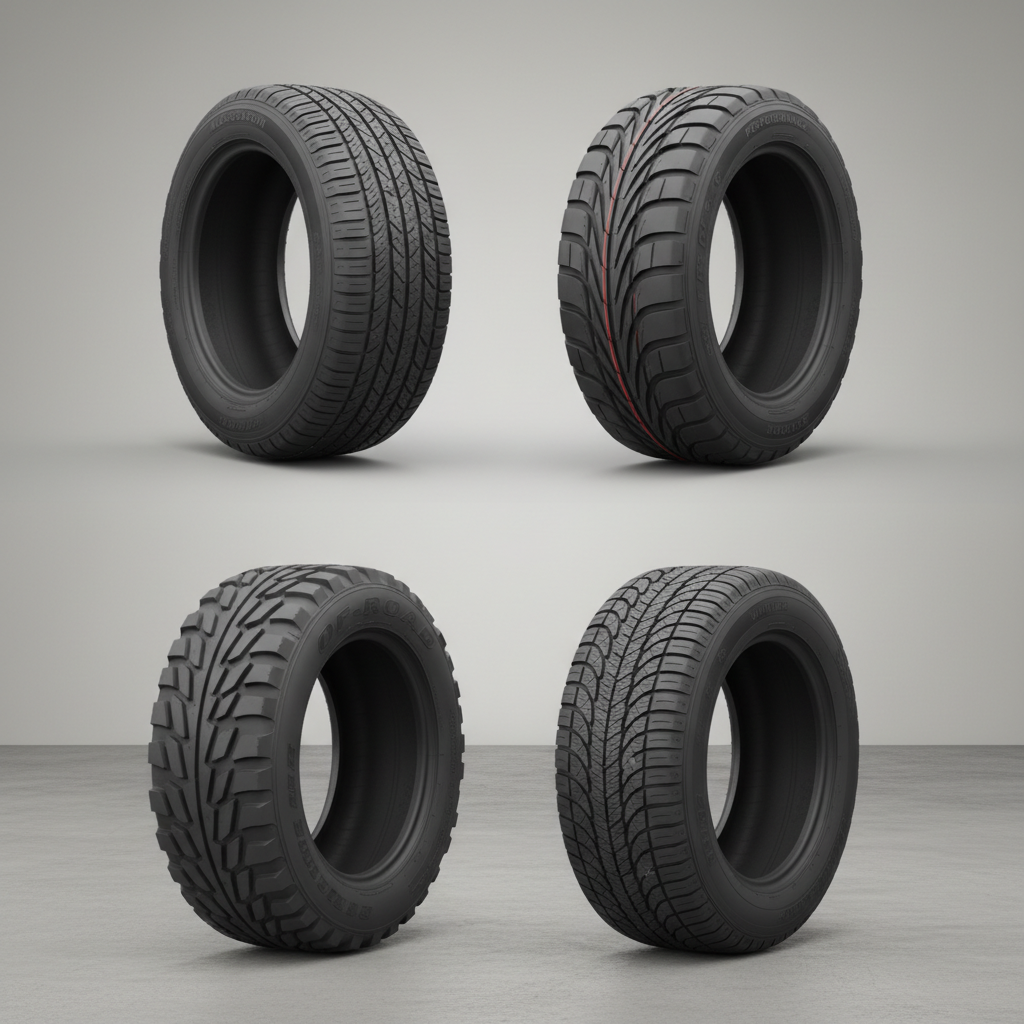
Myth: All Tires Are the Same
One of the most pervasive myths is that all tires are created equal. This couldn't be further from the truth. Tires are specifically designed for different purposes, weather conditions, and vehicle types. For example, summer tires are optimized for warm weather, providing excellent grip and handling, while winter tires are built to perform in cold, snowy conditions. Choosing the right tire can significantly impact your vehicle's performance and safety.
Myth: You Only Need to Replace One Tire at a Time
Many people believe that replacing just one tire is sufficient when one gets damaged. However, for optimal performance and safety, it's generally recommended to replace tires in pairs or complete sets. This ensures uniform tread wear and balance, which can affect your car’s handling and braking.
Why Tire Matching Matters
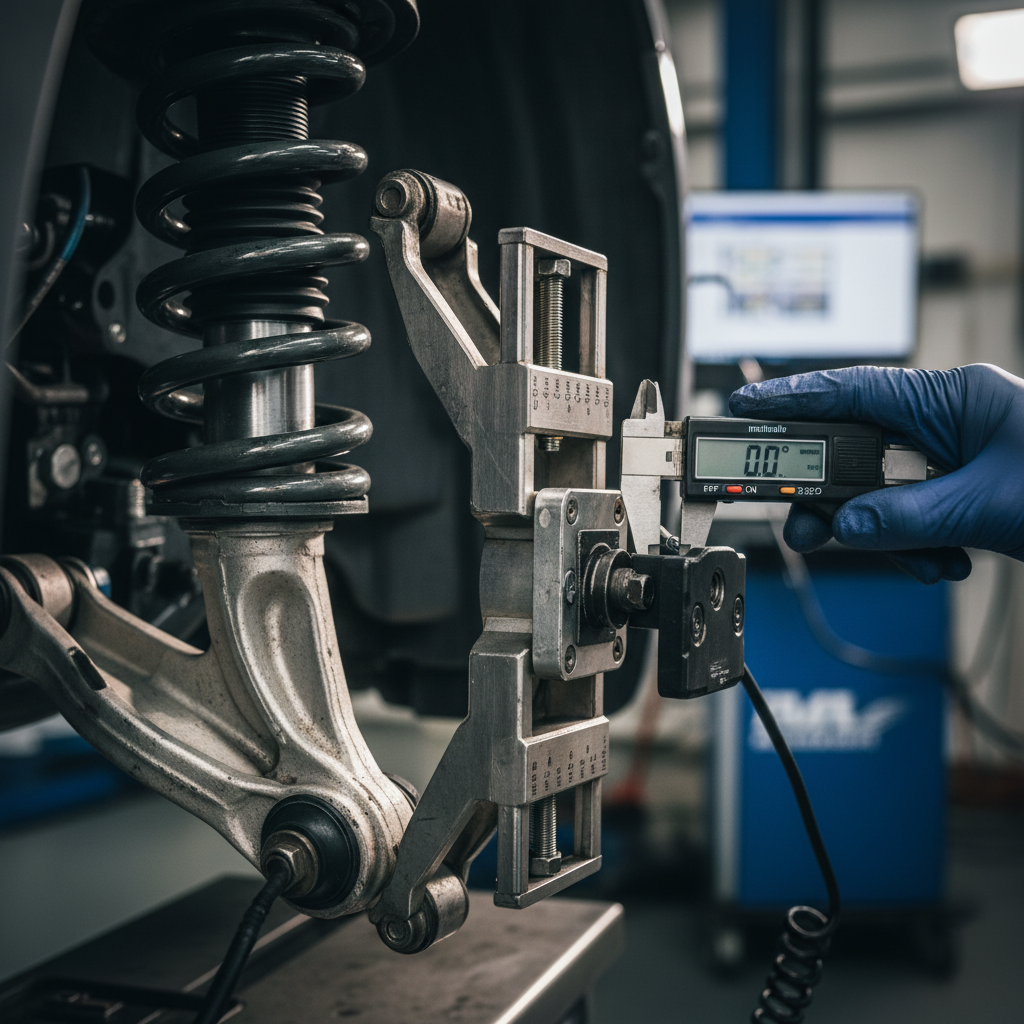
Having mismatched tires can lead to uneven wear and may even cause mechanical issues over time. Your vehicle’s suspension and alignment are calibrated based on the tires being similar. If one tire has significantly more tread than the others, it can create an imbalance.
Myth: Tire Pressure Doesn't Affect Fuel Efficiency
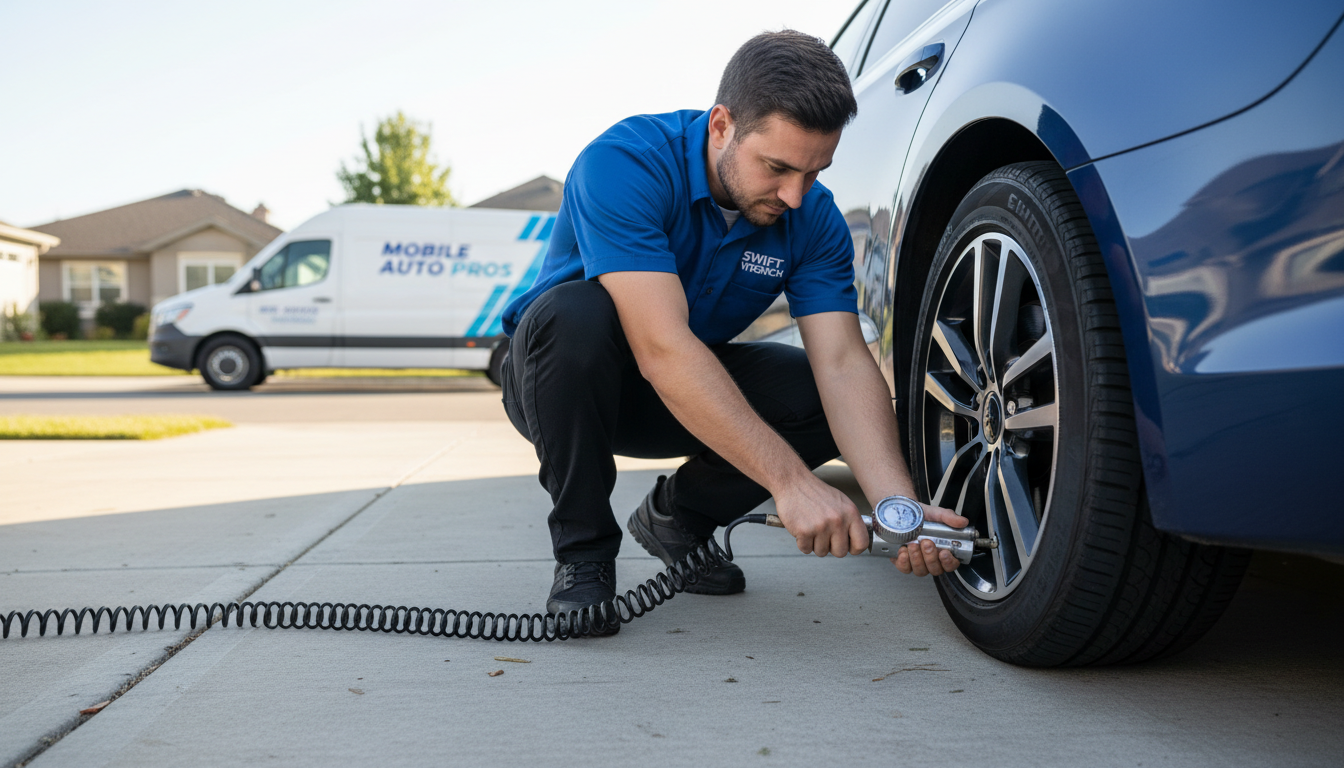
Incorrect tire pressure can have a surprising impact on your fuel efficiency. Under-inflated tires increase rolling resistance, making your engine work harder and consume more fuel. By keeping your tires properly inflated, you can improve fuel economy by up to 3%.
How to Maintain Proper Tire Pressure
Checking your tire pressure monthly is a simple yet effective way to ensure your vehicle is running efficiently. Use a reliable tire pressure gauge and follow the manufacturer's recommended pressure levels, usually found in your vehicle's manual or on the driver's side door jamb.
Myth: New Tires Should Always Go on the Front
Contrary to popular belief, new tires should actually be installed on the rear axle. This provides better stability and control, particularly in wet conditions. Having newer tires on the back helps prevent oversteer, reducing the risk of losing control of the vehicle.
The Importance of Rear Traction
Rear traction is crucial for maintaining control on slippery surfaces. When the rear tires have better tread, it minimizes the chances of fishtailing or skidding, keeping you safer on the road.
Myth: Tires Only Need to Be Replaced When Worn Out
While tread wear is a clear indicator that tires need replacing, other factors can necessitate a change. Age, exposure to elements, and damage can all compromise a tire’s integrity. It's generally recommended to replace tires every six to ten years, regardless of tread wear.
Signs It's Time for New Tires
Look out for cracks, bulges, or any visible signs of damage. If you notice uneven tread wear or if your tires fail the penny test, it's time to consider a replacement. Regular inspections by a professional can also help identify issues that might not be immediately visible.