
Dispelling Common Myths About Tire Care and Maintenance


Understanding Tire Pressure
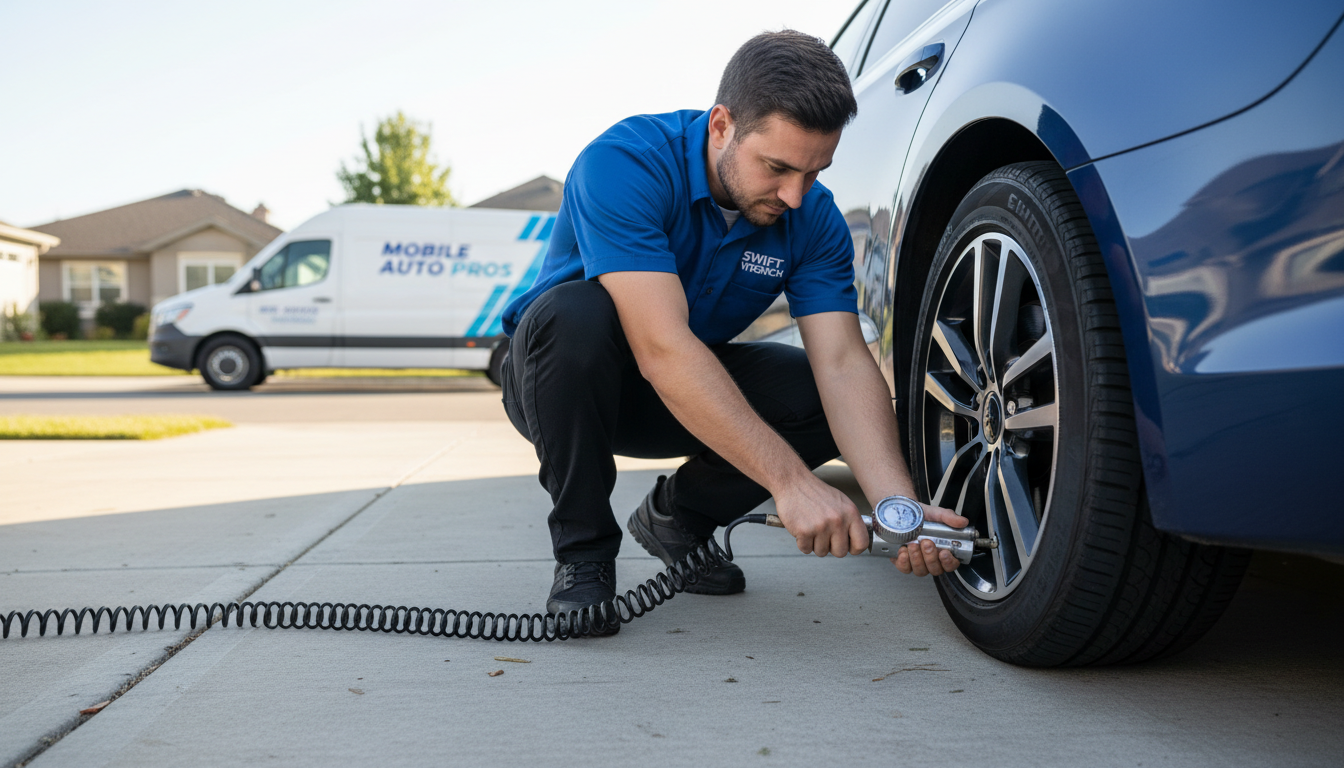
One of the most common myths about tire care is that checking tire pressure is only necessary during extreme weather changes. In reality, it's crucial to check your tire pressure regularly, at least once a month. Proper tire pressure ensures optimal performance, fuel efficiency, and safety.
Under-inflated tires can lead to poor fuel economy and uneven tire wear, while over-inflated tires might cause a harsh ride and increased risk of a blowout. It's important to use a reliable gauge and refer to your vehicle's manual for the recommended pressure levels.
Rotation and Alignment
Another misconception is that tire rotation and alignment are optional services. On the contrary, regular tire rotation helps promote even tire wear, extending the life of your tires. It's usually recommended every 5,000 to 7,500 miles, depending on your vehicle's guidelines.
Alignment, on the other hand, ensures that your tires meet the road at the correct angle. Misalignment can lead to rapid tire wear and affect handling. Both services are essential for maintaining the performance and longevity of your tires.
The Spare Tire Myth
Many drivers believe that the spare tire is a permanent solution for a flat tire. However, spare tires are typically designed for temporary use only. They are usually smaller and not intended for long-distance or high-speed travel.
If you ever need to use your spare tire, it's important to replace it with a new tire as soon as possible. Relying on a spare for too long can compromise your vehicle's handling and safety.

All-Season Tires vs. Winter Tires
A common myth is that all-season tires are suitable for all weather conditions, including harsh winters. While all-season tires perform well in mild conditions, they may not provide the necessary traction on icy or snowy roads. Winter tires are specifically designed with tread patterns and rubber compounds that enhance grip in cold weather.
Depending on your climate and driving conditions, investing in a set of winter tires can significantly improve safety during the colder months.
Replacing Only One Tire
Some drivers think it's acceptable to replace only one tire at a time. However, it's generally recommended to replace tires in pairs or all four at once. This ensures balanced handling and stability.
If replacing only one tire is unavoidable, it's best to match it with the tire on the opposite side. This helps maintain consistent performance and prevents uneven wear.
Conclusion
Understanding the facts about tire care and maintenance is essential for every driver. By dispelling these common myths, you can ensure your vehicle remains safe and efficient on the road. Regular checks, proper maintenance, and informed decisions about tire usage make a significant difference in driving experience and safety.