
Expert Tips for Extending the Life of Your Tires


Regular Tire Maintenance
One of the most effective ways to extend the life of your tires is through regular maintenance. This includes routine checks and adjustments that can prevent premature wear and tear. By dedicating some time each month to inspect your tires, you can significantly enhance their longevity.
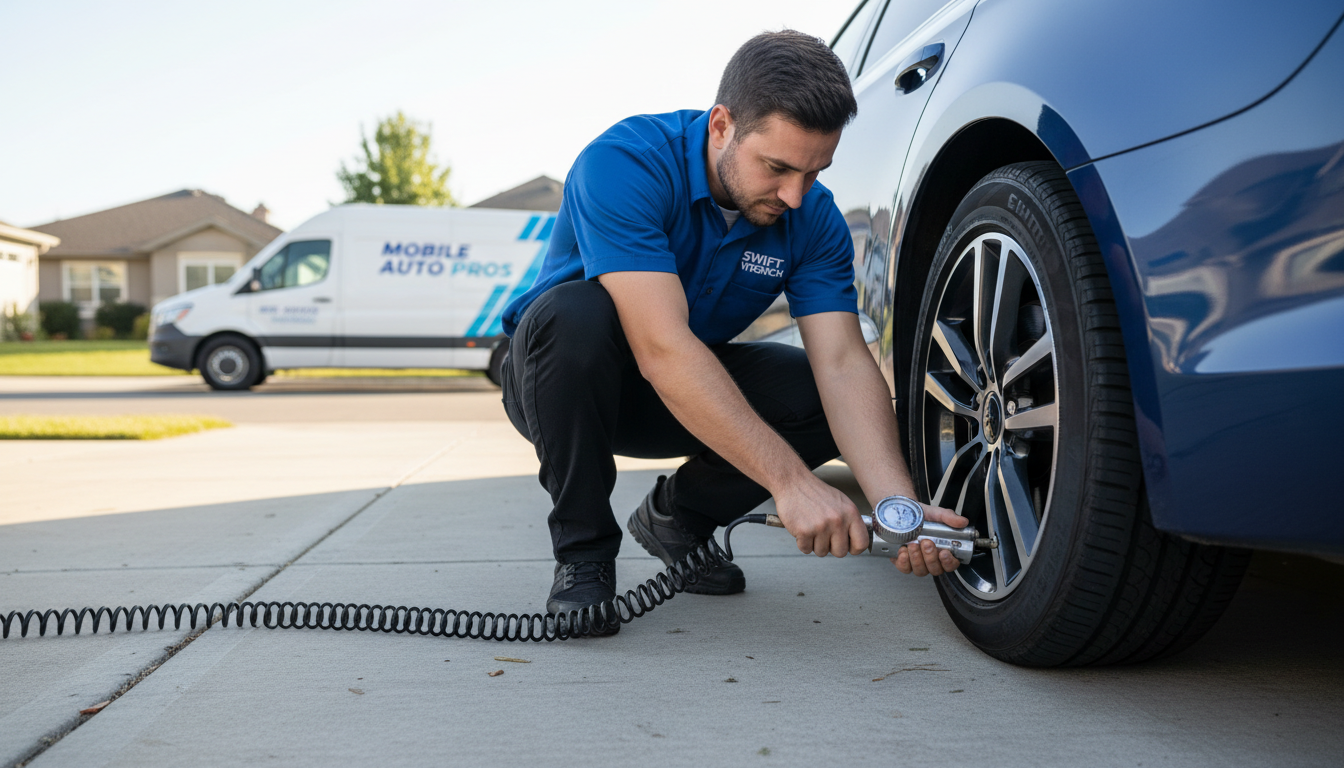
Tire pressure is a crucial factor in maintaining tire health. Make sure to check your tire pressure at least once a month. Under-inflated tires can cause uneven wear, while over-inflation may lead to a blowout. Use a reliable pressure gauge and follow the recommended PSI levels found in your vehicle’s manual.
Proper Tire Rotation
Rotating your tires is another essential practice. This process helps distribute wear evenly across all tires, as front and rear tires wear differently due to steering and braking dynamics. Most manufacturers recommend rotating tires every 5,000 to 7,500 miles.
A simple rotation pattern, such as moving the front tires to the rear and vice versa, can be beneficial. For vehicles with a front-wheel-drive, consider a cross pattern for the best results. Regular rotation not only extends tire life but also improves performance and safety.
Alignment and Balancing
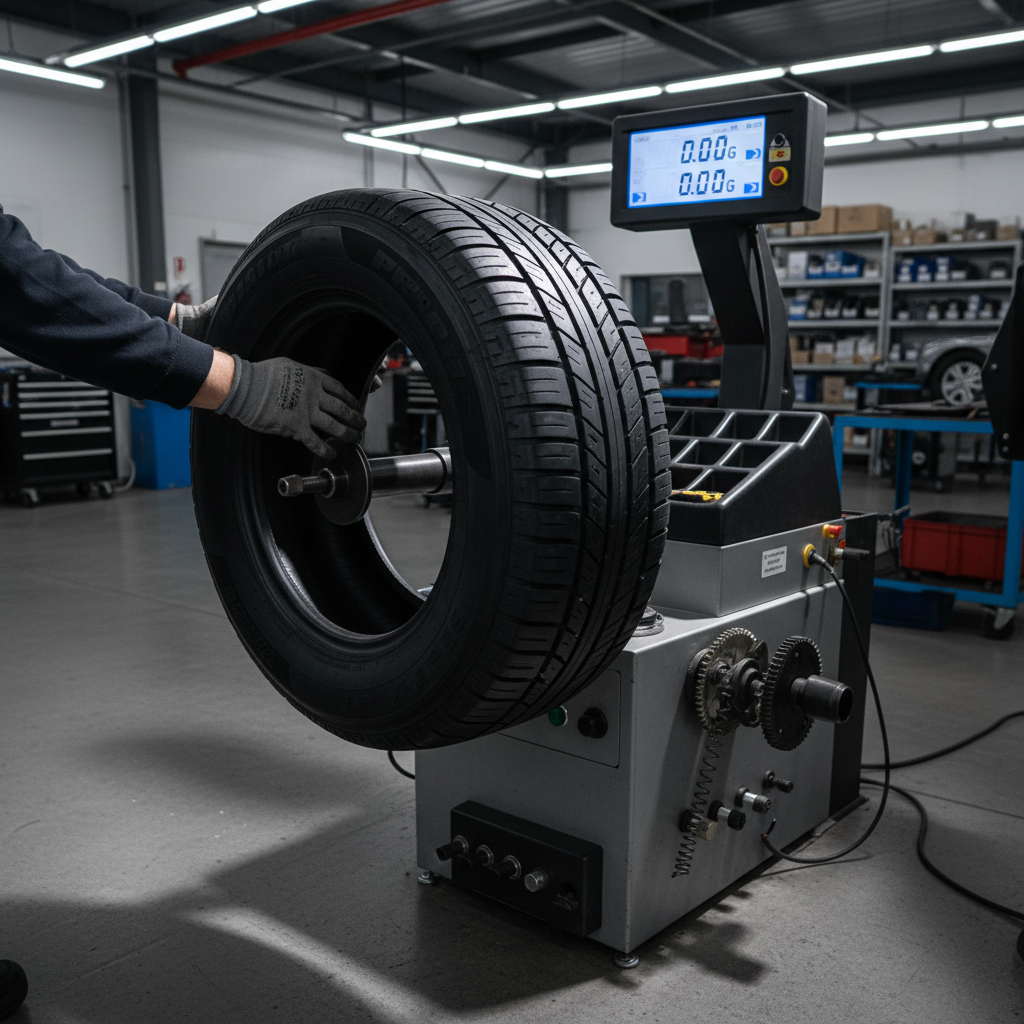
Wheel alignment and balancing are often overlooked but are just as important. Misaligned or unbalanced wheels can cause your tires to wear unevenly, reducing their lifespan. If you notice your vehicle pulling to one side or vibrating at high speeds, it might be time to see a professional.
Alignment involves adjusting the angles of the wheels so that they are parallel to each other and perpendicular to the ground. Balancing, on the other hand, ensures that the weight is evenly distributed around the wheel. Both services can significantly enhance your driving experience.
Driving Habits
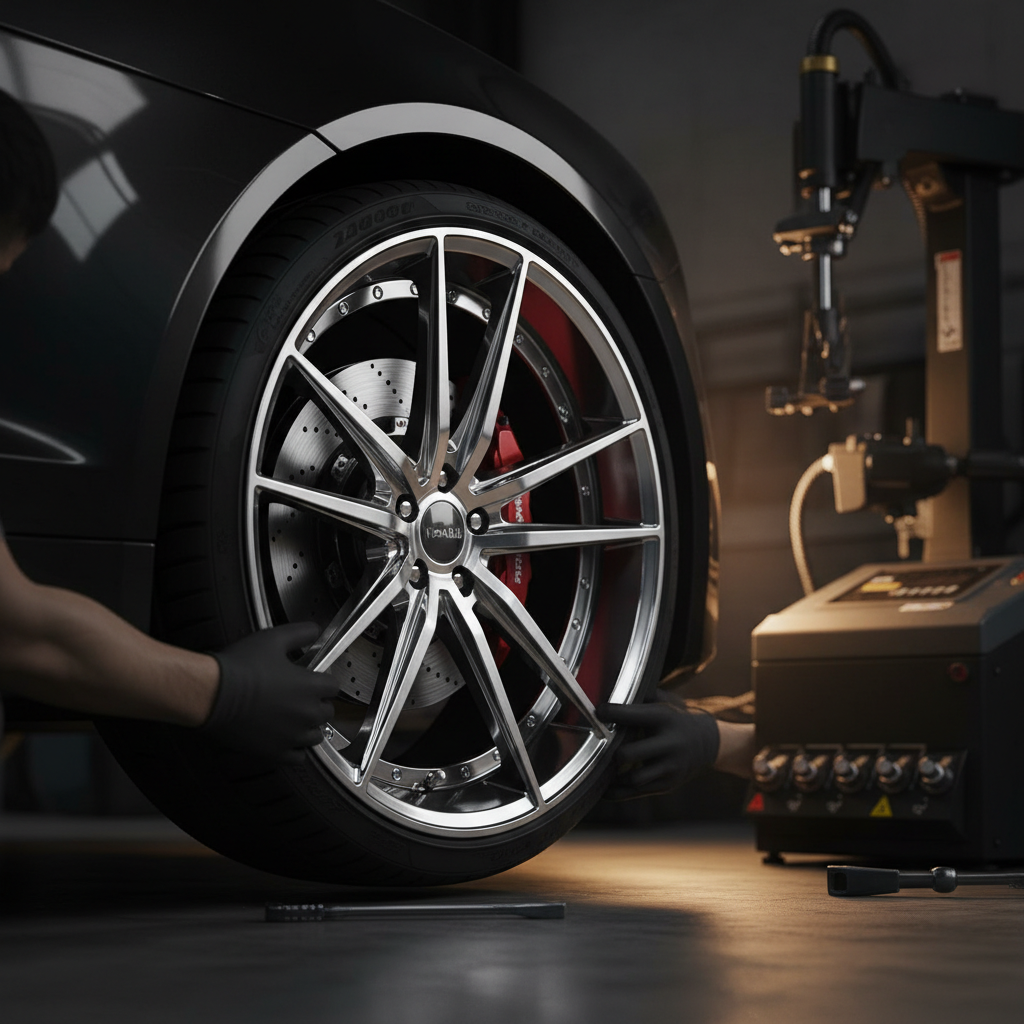
Your driving habits can greatly influence the lifespan of your tires. Aggressive driving, such as rapid acceleration and hard braking, can cause your tires to wear out faster. Instead, opt for smooth and gradual changes in speed to minimize stress on your tires.
Additionally, avoid hitting curbs and potholes whenever possible. These obstacles can damage the tire structure and lead to alignment issues. Being mindful of your driving style can not only save your tires but also improve fuel efficiency.
Seasonal Considerations
Different seasons pose unique challenges for your tires. During winter, consider switching to winter tires if you live in an area with heavy snowfall. These tires provide better traction and handling in icy conditions, reducing wear and tear.
In summer, the heat can increase tire pressure. Regularly check and adjust the pressure to prevent over-inflation. Seasonal adjustments ensure that your tires are well-suited for the current weather conditions, enhancing their durability.
Choosing the Right Tires
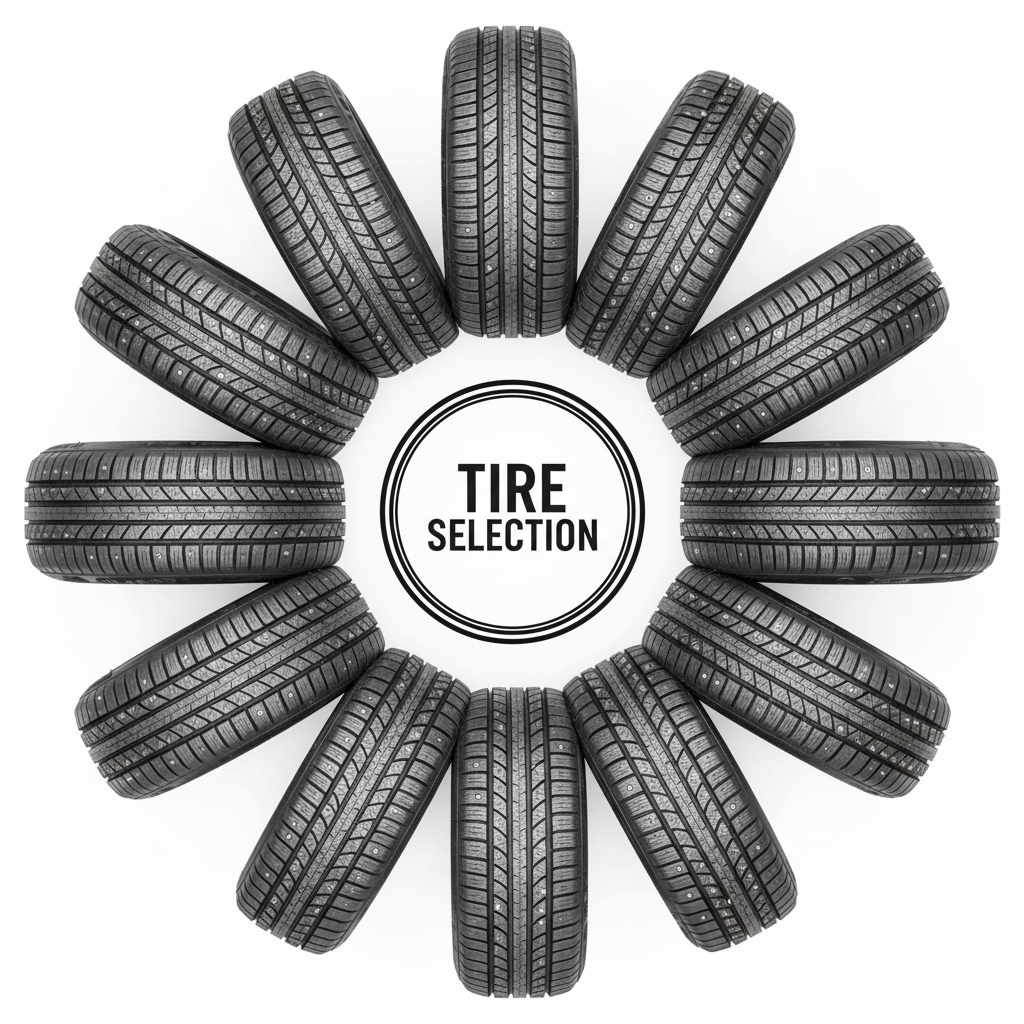
Finally, selecting the right tires for your vehicle and driving conditions is paramount. Consider factors such as tire type, tread pattern, and load capacity. Consult with a tire expert if you're unsure about the best choice for your needs.
Investing in high-quality tires may cost more upfront, but they typically offer better performance and a longer lifespan. Look for tires with good reviews and warranties to ensure you’re making a sound investment.
Conclusion
By following these expert tips, you can extend the life of your tires and enjoy a safer, more efficient driving experience. Regular maintenance, mindful driving, and informed choices are key to getting the most out of your tires. Remember, well-maintained tires are not just about longevity—they're also about ensuring your safety on the road.