How to Know When It's Time to Replace Your Tires


Understanding Tire Wear
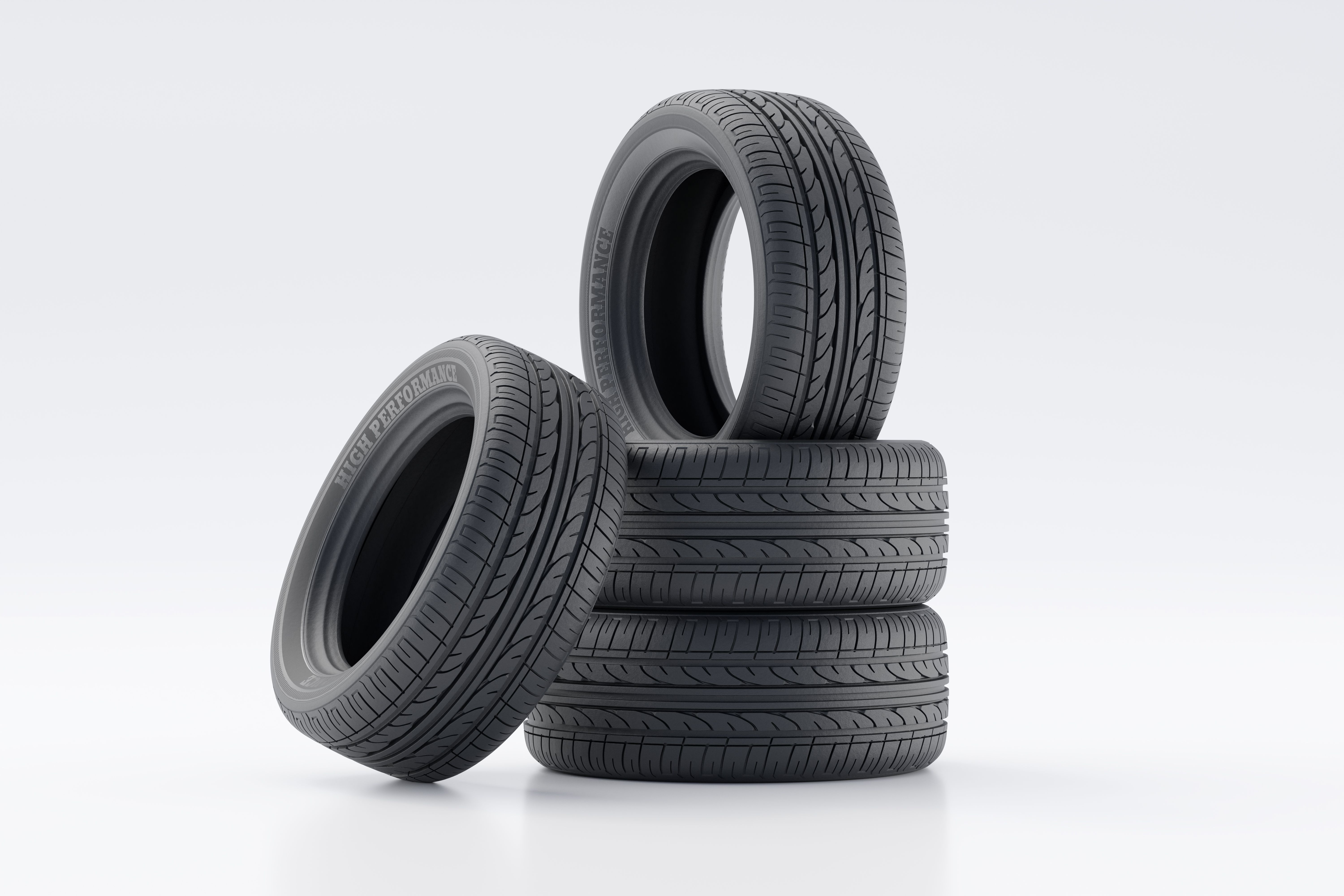
It's crucial to regularly inspect your tires to ensure safety and optimal performance. Tires naturally wear over time, and knowing the signs of wear can help you determine when it's time to replace them. Look for irregular tread wear, which can indicate alignment issues or improper inflation.
Checking Tread Depth
The tread depth is a key indicator of a tire's health. You can easily check this with a tread depth gauge or the penny test. Insert a penny into the tread with Lincoln's head facing down. If you can see the top of Lincoln's head, it's time for new tires. Keeping an eye on tread depth ensures you have adequate traction, especially in wet conditions.
Using a Tread Depth Gauge
A tread depth gauge provides a more precise measurement. Most tires should be replaced when the tread depth reaches 2/32 of an inch. Regularly using a gauge can help you monitor your tires more accurately and plan for replacements before they become a safety hazard.
Inspecting for Visible Damage
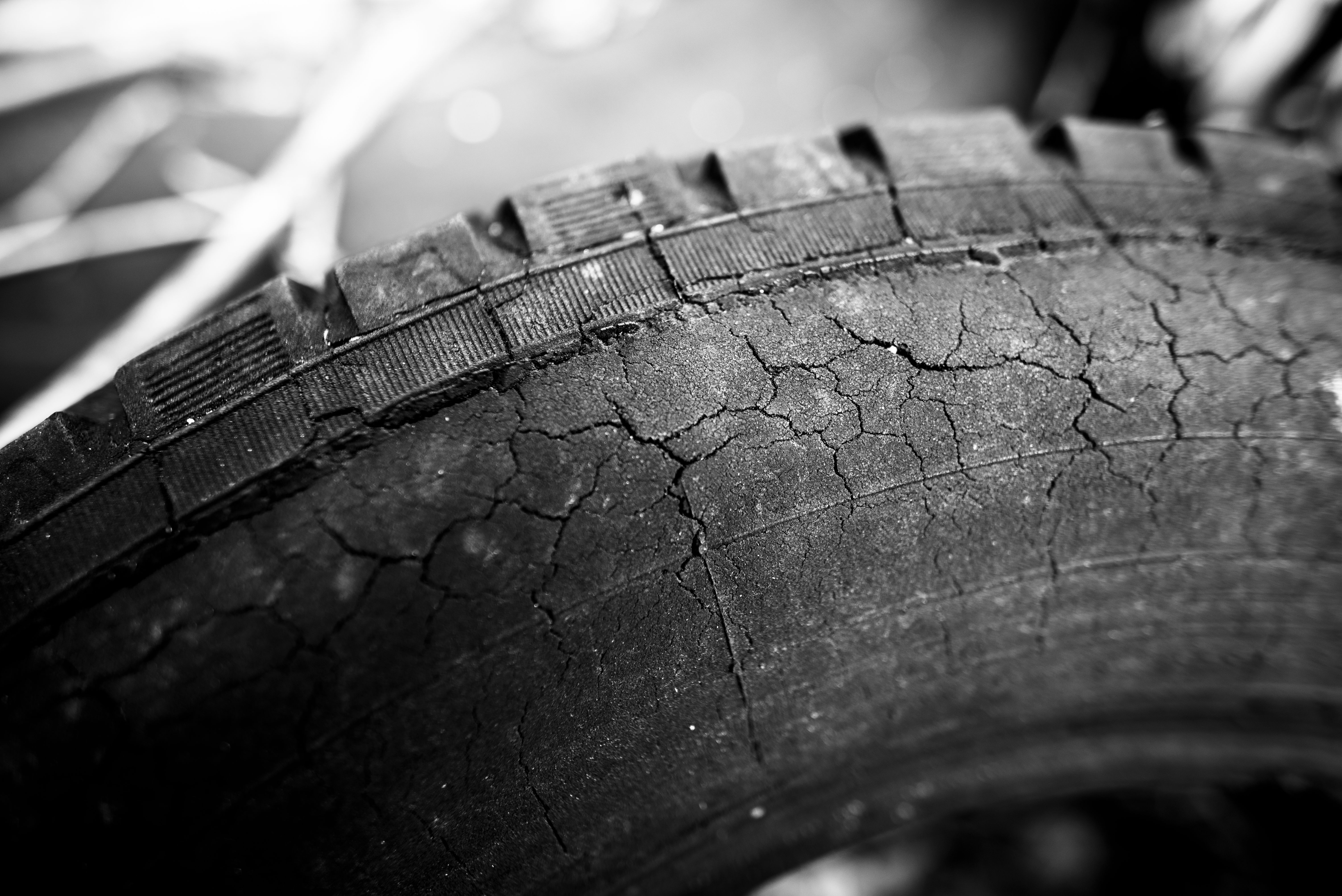
Regularly inspect your tires for visible signs of damage, such as cracks, bulges, or punctures. These can compromise the integrity of the tire and lead to blowouts. If you notice any of these signs, it's best to consult a professional to assess whether a repair or replacement is necessary.
Considering Tire Age
Even if your tires appear to be in good condition, age can be a determining factor. Most manufacturers recommend replacing tires every six to ten years, regardless of tread wear. Check the sidewall for the tire's manufacture date, which is indicated by a four-digit code representing the week and year.
Understanding the Risks of Aging Tires
Aging tires can become brittle and more prone to failure. The rubber compounds degrade over time, reducing their ability to provide adequate traction and safety. Ensuring your tires are within the recommended age range is vital for maintaining vehicle safety.
Monitoring Tire Performance
Pay attention to how your vehicle handles. If you notice decreased traction, increased stopping distances, or unusual vibrations, these could be signs that your tires are no longer performing as they should. Performance issues can often indicate the need for a replacement.
Seeking Professional Advice
When in doubt, consult a tire professional. They can provide a thorough inspection and offer expert advice on whether your tires need replacing. Professional guidance can give you peace of mind and ensure your vehicle remains safe on the road.