
How to Maintain Your Tires for Long-Lasting Performance


Understanding Tire Maintenance
Maintaining your tires is crucial for ensuring your vehicle's safety and performance. Proper tire maintenance not only extends the life of your tires but also improves fuel efficiency and road safety. This guide will walk you through essential tips to keep your tires in top condition.
Regular checks and maintenance can significantly reduce the risk of tire-related issues. From checking tire pressure to regular rotations, each step contributes to your vehicle's overall performance.
Checking Tire Pressure
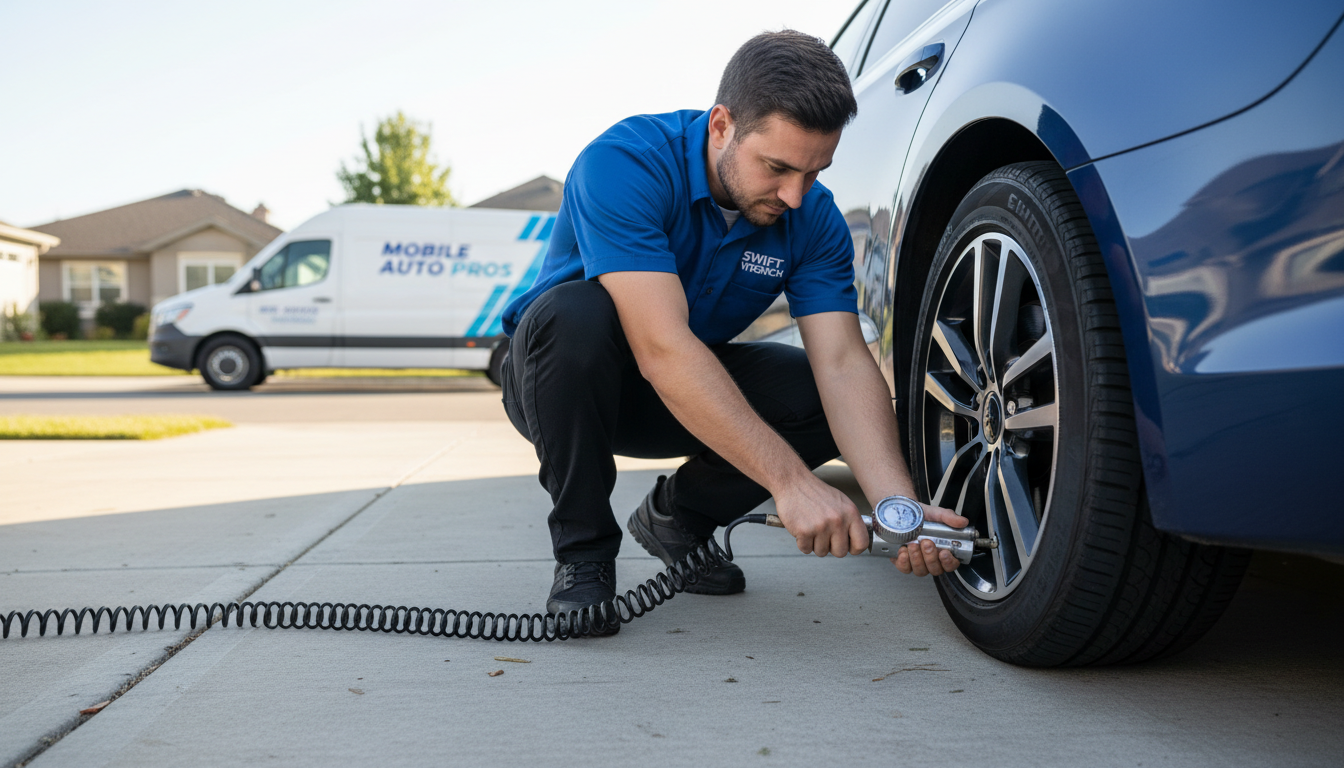
One of the most important aspects of tire maintenance is checking the tire pressure. Under-inflated or over-inflated tires can lead to uneven wear, reduced fuel efficiency, and even blowouts.
How to Check Tire Pressure
To ensure your tires are properly inflated, use a reliable tire gauge to check the pressure. Compare the reading with the recommended pressure found in your vehicle’s manual or on the driver's side door jamb.
Make it a habit to check your tire pressure at least once a month and before long trips. Proper inflation ensures better handling and longevity of your tires.
Regular Tire Rotation
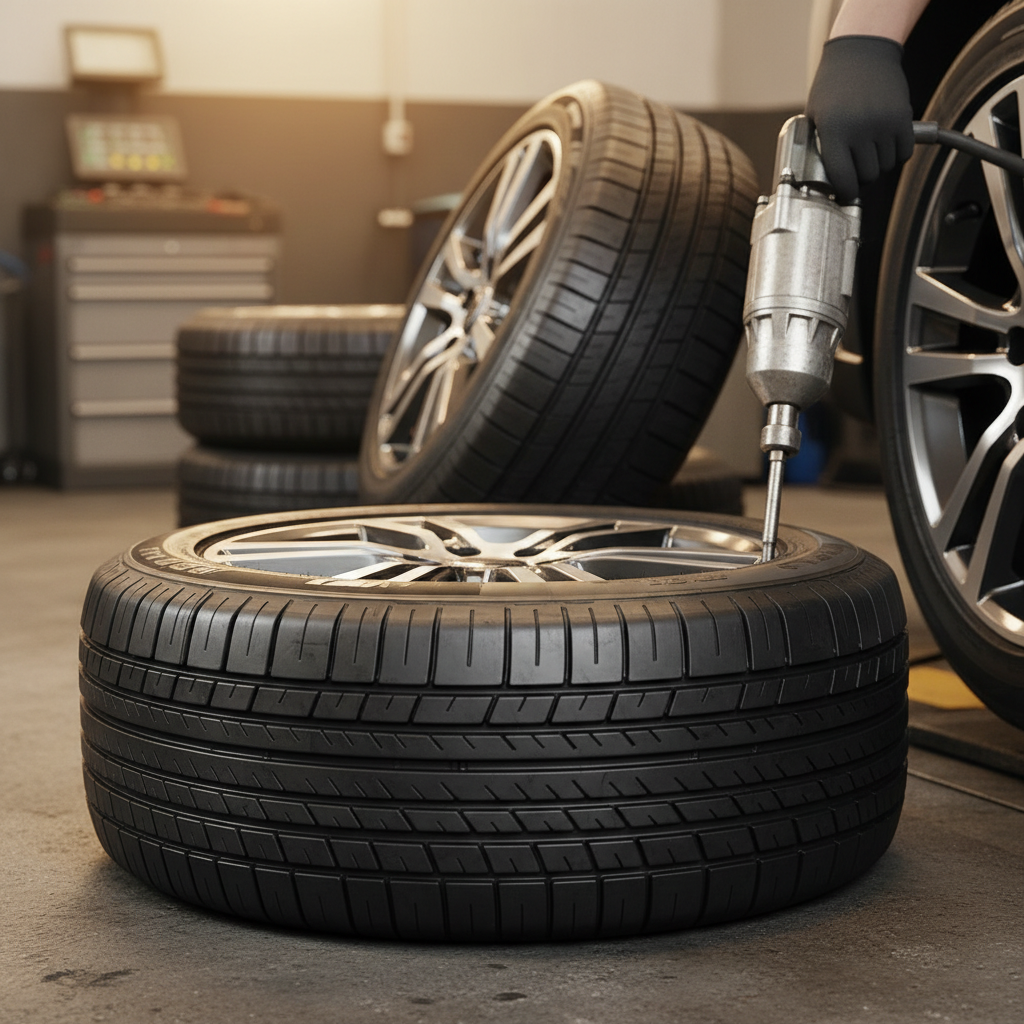
Tire rotation is a key practice that promotes even tread wear. It involves changing the position of each tire on your vehicle, which helps distribute wear more evenly across all tires.
When to Rotate Tires
It's generally recommended to rotate your tires every 5,000 to 8,000 miles. However, check your vehicle’s manual for specific guidance. Regular rotation can extend the life of your tires and improve overall vehicle performance.
Inspecting Tread Depth
Monitoring tire tread depth is essential for maintaining traction and safety on the road. Tires with insufficient tread can be hazardous, especially in wet or slippery conditions.
How to Check Tread Depth
Use the penny test: insert a penny into the tire tread with Lincoln’s head upside down. If you can see the top of Lincoln’s head, it’s time to replace your tires. Alternatively, a tread depth gauge can provide a more precise measurement.
Balancing and Alignment
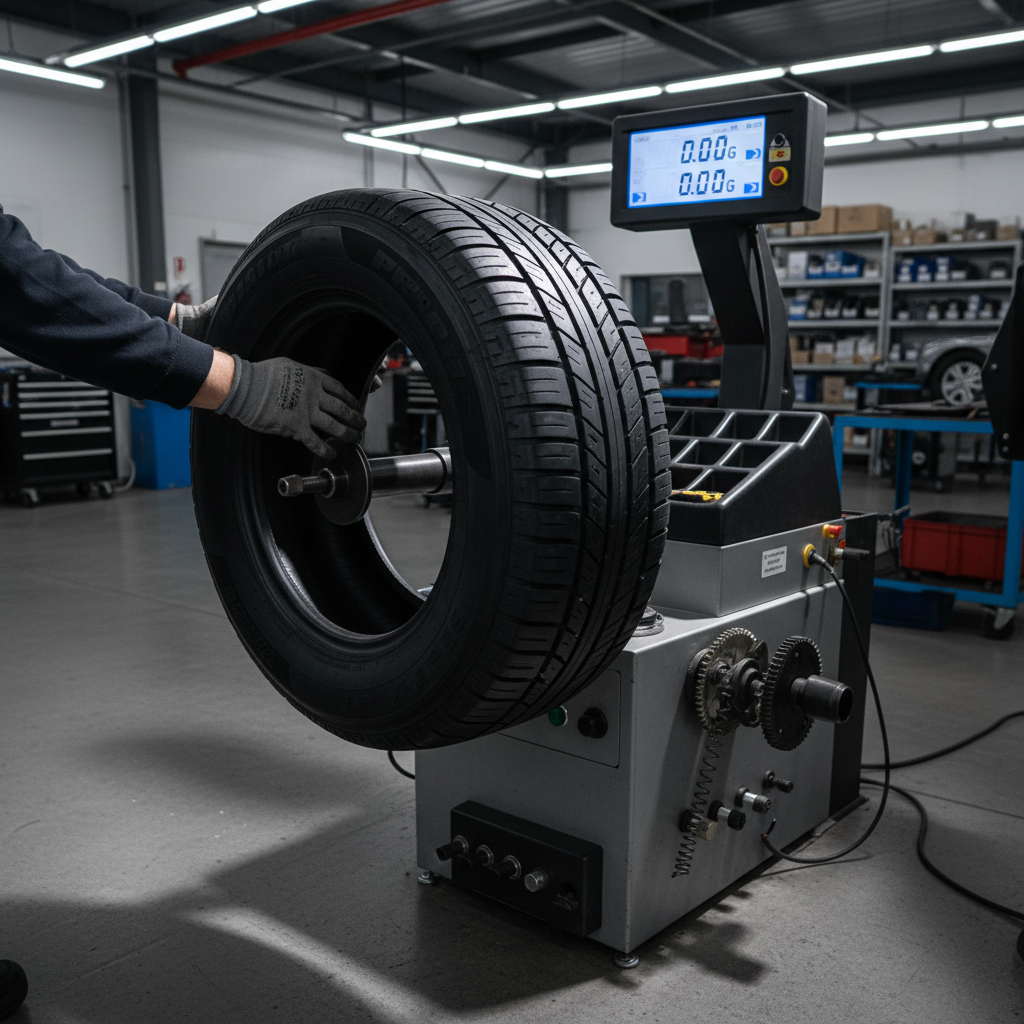
Proper wheel balancing and alignment are vital for a smooth ride and even tire wear. Misalignment or imbalance can lead to vibrations, uneven tire wear, and steering issues.
Signs You Need Balancing or Alignment
If you notice your vehicle pulling to one side or experience unusual vibrations, it may be time to have your wheels balanced and aligned. Regular checks can prevent unnecessary wear and ensure a comfortable driving experience.
Conclusion
Maintaining your tires is not just about extending their life; it's about ensuring safety and efficiency on the road. By following these simple maintenance tips, you can enjoy a smoother, safer driving experience while maximizing the performance of your tires.