How to Prepare Your Vehicle for Winter in St. Phillips with the Right Tires


Understanding the Importance of Winter Tires
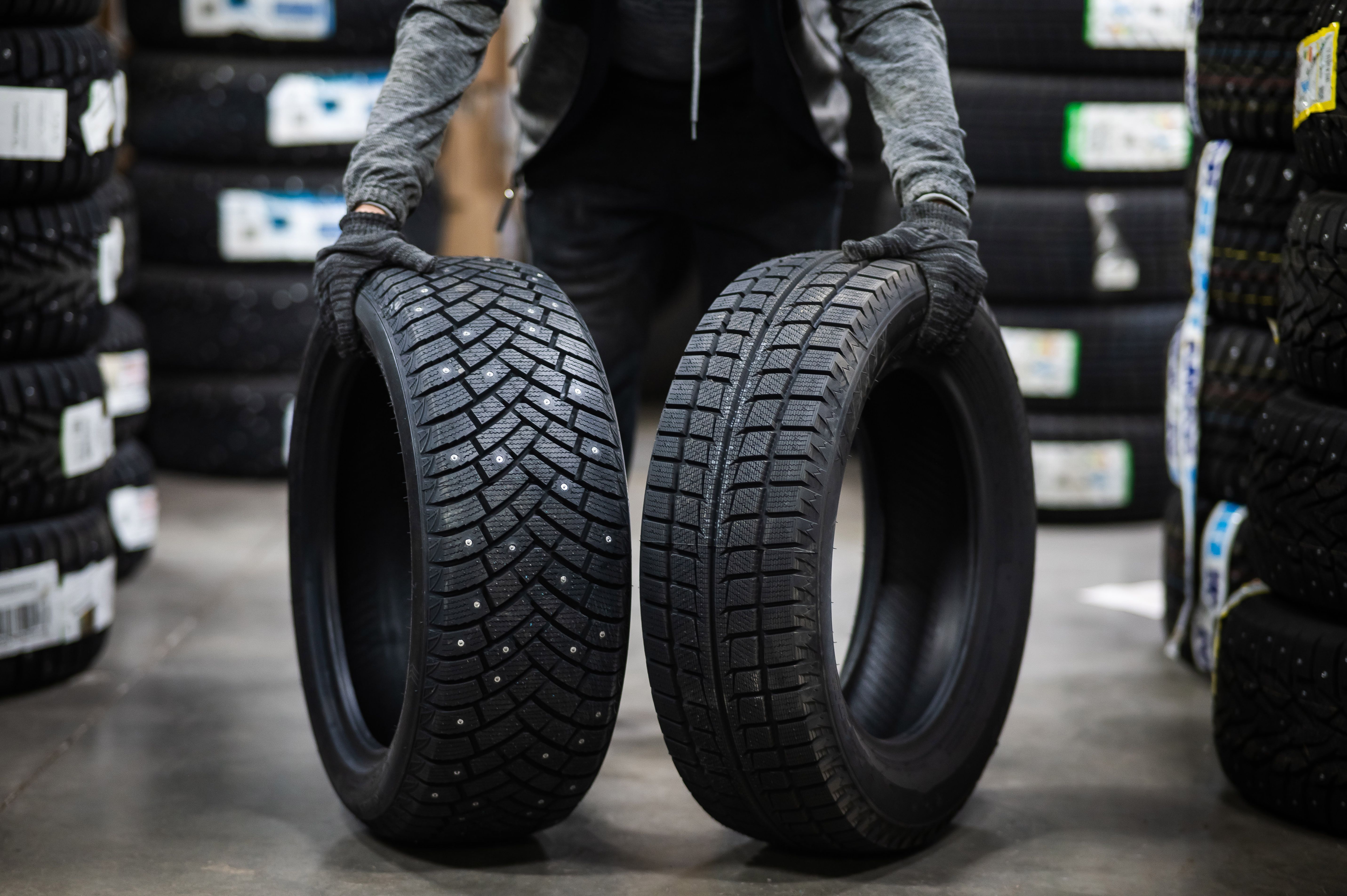
Winter in St. Phillips can be harsh, with icy roads and heavy snowfall. Having the right tires is crucial to ensure safety and performance. Winter tires are specifically designed to provide better traction, handling, and braking in cold conditions. Unlike all-season tires, they maintain their flexibility in low temperatures, giving you better control on slippery roads.

Choosing the Right Winter Tires
Selecting the right winter tires involves considering several factors. First, make sure the tire size matches your vehicle's requirements. Next, look for tires with the three-peak mountain snowflake symbol, indicating they meet specific snow traction standards. Consider the tread pattern as well—deeper treads offer better grip on snowy surfaces.
Additionally, check the rubber compound of the tires. Winter tires use softer rubber, which remains pliable in freezing temperatures, enhancing traction. Consult your vehicle’s manual or a tire professional for personalized recommendations based on your driving habits and local conditions.
When to Switch to Winter Tires
Timing is crucial when switching to winter tires. It's advisable to make the change when temperatures consistently drop below 7°C (45°F). In St. Phillips, this often means transitioning in late October or early November. Waiting too long could compromise your safety due to unexpected weather changes.

Maintaining Your Winter Tires
Proper maintenance of winter tires ensures they last through the season. Regularly check tire pressure, as it can fluctuate with temperature changes. Under-inflated tires can reduce fuel efficiency and handling, while over-inflated tires might wear unevenly. It's also wise to rotate your tires every 8,000 to 10,000 kilometers to promote even wear.
Storing Your All-Season or Summer Tires
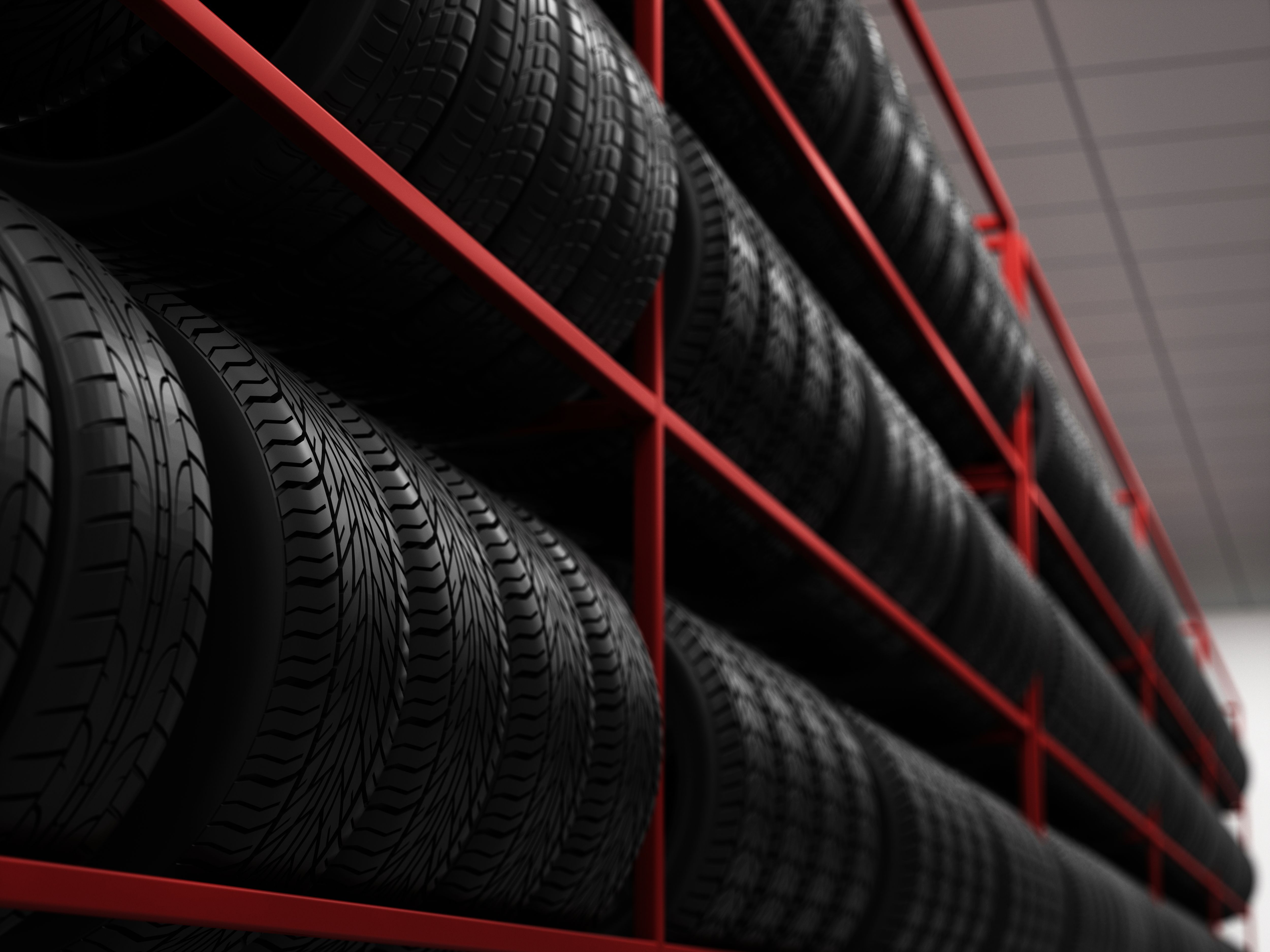
Once you’ve installed your winter tires, store your all-season or summer tires properly. Clean them thoroughly to remove any road grime and salt, which can cause deterioration. Store them in a cool, dry place, away from direct sunlight. If possible, keep them on a tire rack to prevent flat spots.
Considerations for All-Wheel Drive Vehicles
Even if your vehicle is equipped with all-wheel drive (AWD), winter tires are still essential. While AWD helps with acceleration on slippery surfaces, it doesn’t improve braking or cornering. Winter tires provide the necessary grip for safe stopping and maneuvering, making them a valuable addition to your AWD vehicle.
Benefits Beyond Safety
Investing in winter tires not only enhances safety but can also improve overall vehicle performance. Better traction leads to increased confidence while driving, reducing stress during winter commutes. Additionally, using winter tires can extend the life of your all-season tires, as they won’t be subjected to the harsh winter conditions.
Consult a Professional
If you’re uncertain about the right tire choice or installation process, consult a professional tire service in St. Phillips. They can provide expert advice tailored to your vehicle and driving needs. Proper installation and maintenance are key to ensuring that your winter tires perform effectively throughout the season.