
Seasonal Tire Care: Preparing for Harsh Canadian Winters


Understanding the Importance of Seasonal Tire Care
As the temperature drops and the first snowflakes begin to fall, it's crucial to prepare your vehicle for the harsh Canadian winters. One of the most important aspects of this preparation is ensuring your tires are ready for the icy and snowy conditions. Proper tire care not only enhances your vehicle's performance but also ensures your safety on the road.
Winter tires are specifically designed to provide better traction in cold weather conditions. They are made from a softer rubber compound that remains flexible in low temperatures, allowing for improved grip. This is essential for navigating icy roads and handling unexpected winter weather changes.
When to Switch to Winter Tires
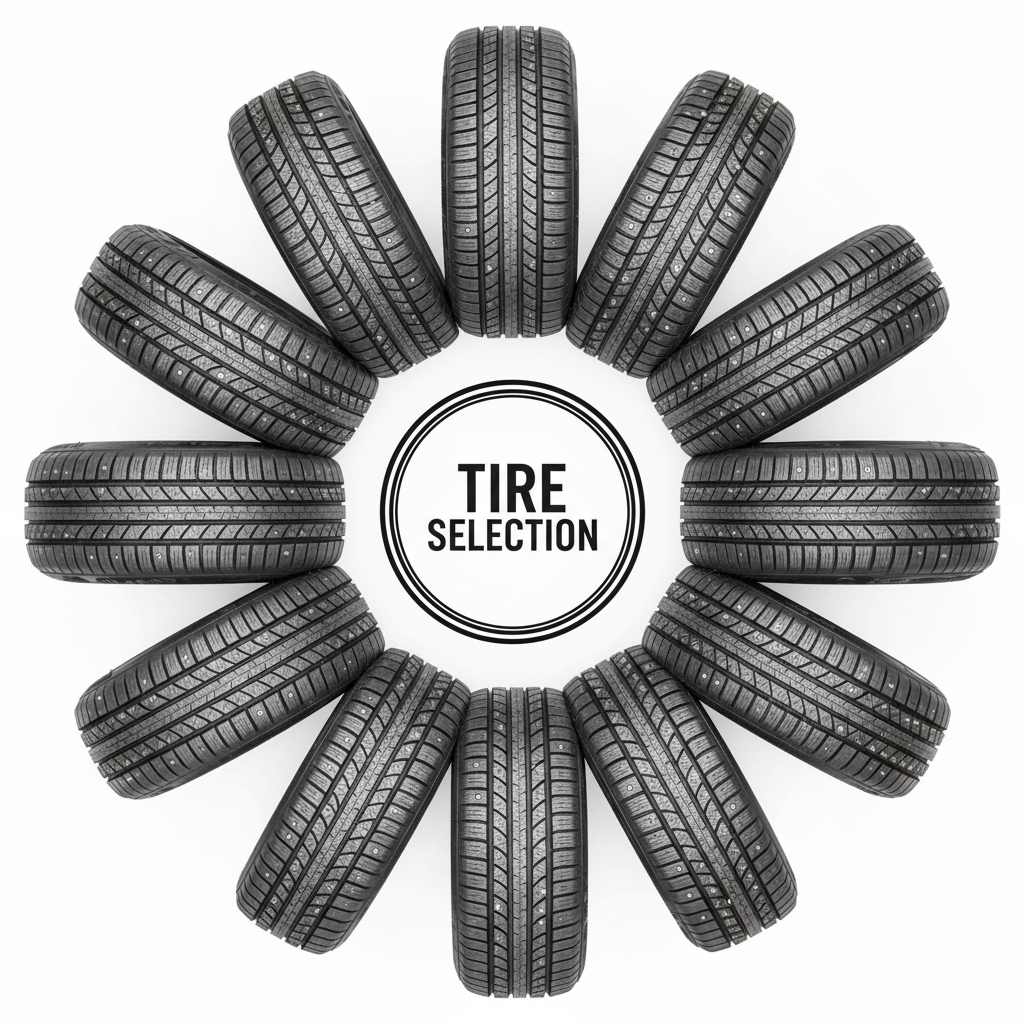
Timing is everything when it comes to switching to winter tires. The general rule of thumb is to make the switch when temperatures consistently drop below 7°C. At this point, all-season tires begin to lose their effectiveness, making the transition to winter tires a wise decision.
Ensure you plan ahead and make the change before the first snowfall. Many tire shops experience high demand at the onset of winter, so booking an appointment early can save you from long waits and potential delays.
Inspecting Tire Tread and Pressure
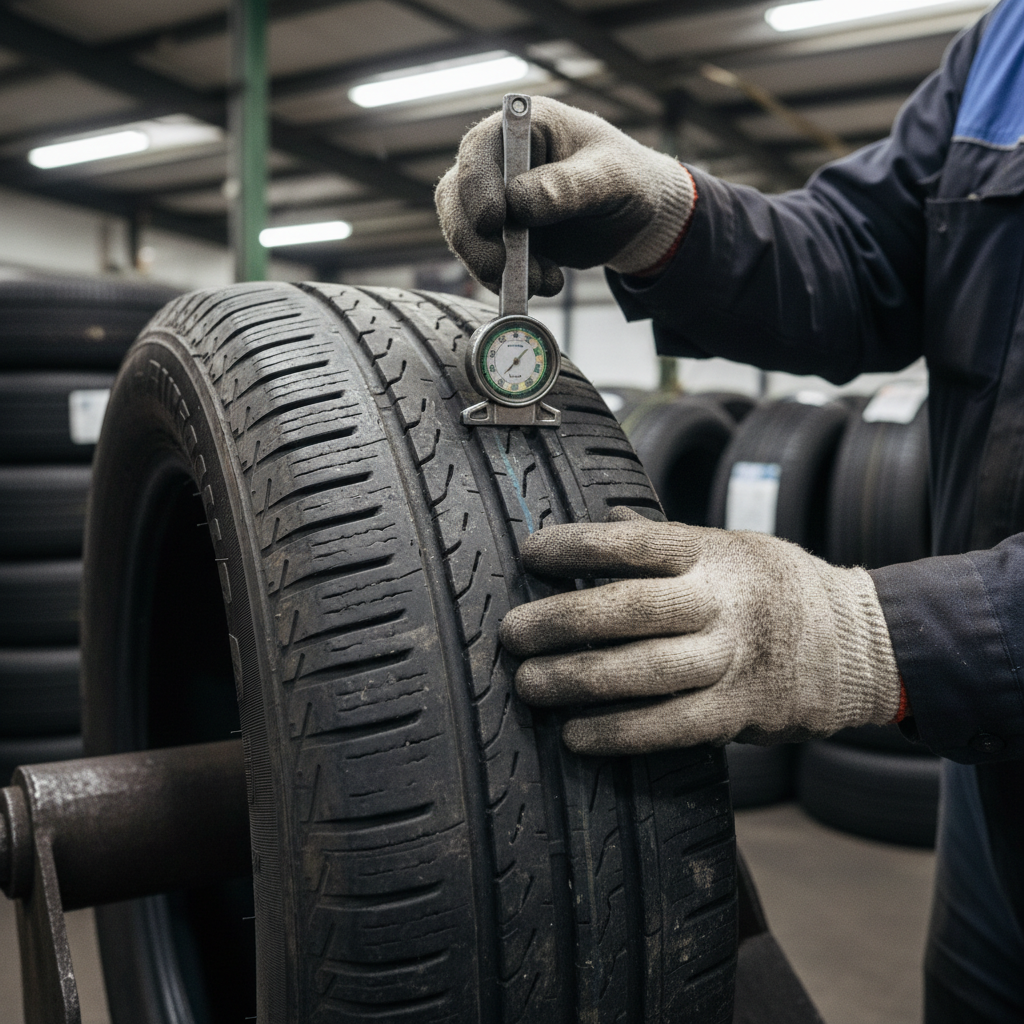
Once your winter tires are installed, it's important to regularly inspect their tread and pressure. The tread should be deep enough to channel snow and slush away, providing better traction. A tread depth of at least 4.8 mm is recommended for optimal performance.
In addition, cold temperatures can cause tire pressure to drop. Regularly checking and maintaining the correct tire pressure ensures even wear and enhances fuel efficiency. Underinflated tires can lead to poor handling and increased risk of accidents.
Rotating and Balancing Tires
To extend the life of your tires and promote even wear, regular rotation and balancing are essential. Rotating your tires every 8,000 to 10,000 kilometers helps distribute wear evenly. Balancing ensures smooth driving and prevents uneven tire wear.
Consult with a professional to determine the best rotation pattern for your vehicle. This can depend on whether your vehicle is front-wheel drive, rear-wheel drive, or all-wheel drive.
Storing Your All-Season Tires
Proper storage of your all-season tires during the winter months is equally important. Clean your tires thoroughly to remove dirt and grime, and store them in a cool, dry place away from direct sunlight. Keeping them stacked or hung can prevent any deformation.

Regular Maintenance and Safety Checks
In addition to tire care, regular vehicle maintenance is vital during winter. Check your vehicle's battery, brakes, and wiper blades to ensure they are in good working condition. These components are crucial for safe driving in harsh winter conditions.
Lastly, always keep an emergency kit in your vehicle. Include items such as a flashlight, blankets, and non-perishable snacks. Being prepared for unexpected situations can make a significant difference in your winter driving experience.
By following these tire care tips and maintaining your vehicle, you can confidently face the challenges of a Canadian winter on the road. Remember, your safety and the safety of others depend on the condition of your tires and vehicle.