
Seasonal Tire Change: How to Prepare for NL's Winter Roads


Understanding the Importance of Seasonal Tire Changes
Winter in Newfoundland brings a unique set of challenges for drivers. The icy roads and heavy snowfall make it essential to prepare your vehicle appropriately. One of the most critical steps is ensuring you have the right tires for the season. Winter tires are specifically designed to handle the harsh conditions, providing better traction and control.
Unlike all-season tires, winter tires are made with a special rubber compound that remains flexible in cold temperatures. This flexibility allows for improved grip on icy surfaces, reducing the risk of accidents. Switching to winter tires is not just about compliance; it's about safety.
When to Make the Switch
Timing is crucial when it comes to changing your tires. In Newfoundland, it's advisable to switch to winter tires by late October or early November. This ensures you're ready for the first snowfall, which can be unpredictable. Keep an eye on the weather forecasts and be prepared to make the change sooner if a cold snap is on the horizon.
Remember that winter tires are not just for snow. They are designed to perform better in temperatures below 7°C. If you're driving on all-season tires in colder weather, you're compromising your vehicle's safety and performance.
How to Choose the Right Winter Tires
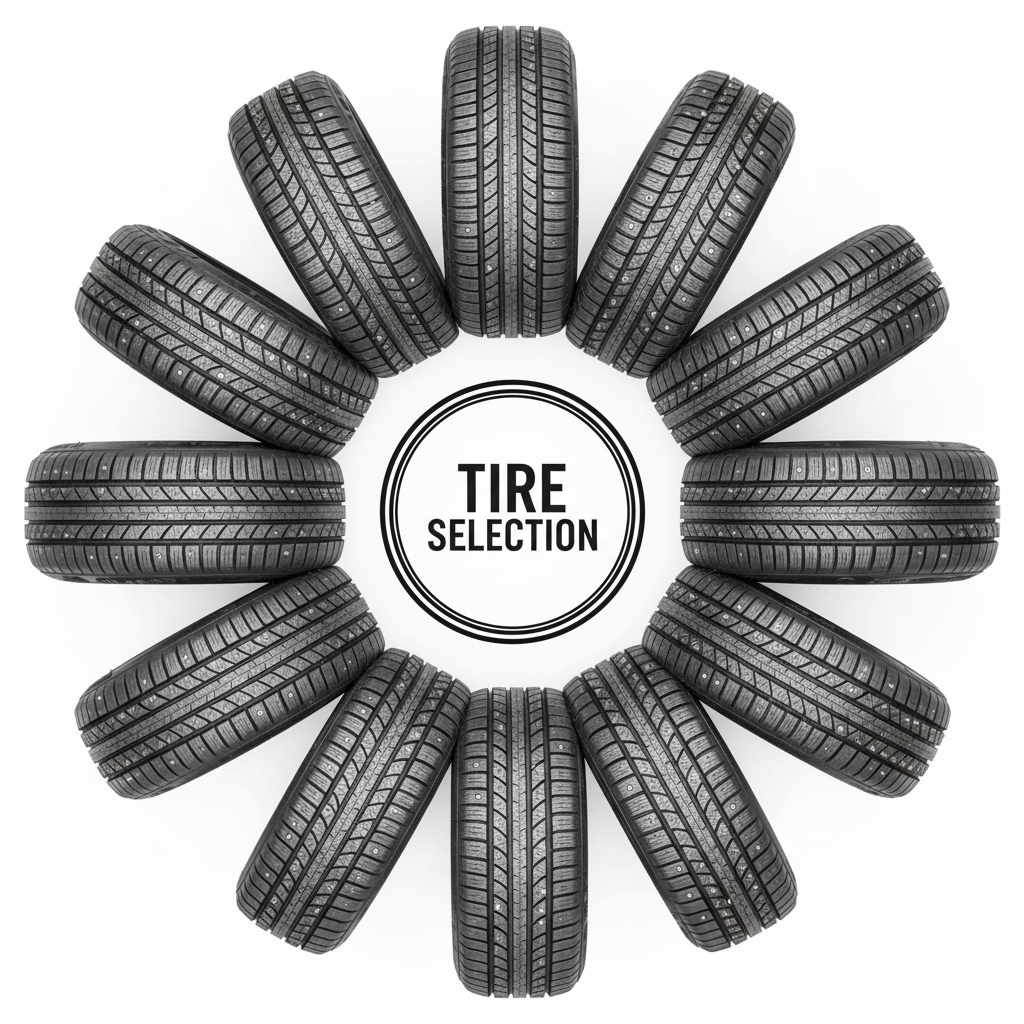
Choosing the right winter tires involves considering several factors. First, check your vehicle's manual for the recommended tire specifications. Then, consider the type of driving you do. If you frequently drive on highways, you might need a different tread pattern compared to someone who drives mainly in urban areas.
When selecting tires, look for the mountain snowflake symbol, which indicates they are certified for winter use. Additionally, consult with a tire professional to ensure you're making the best choice for your vehicle and driving habits.

Preparing for the Tire Change
Before heading to the garage, there are a few things you should do to make the tire change process smoother. First, inspect your current tires for any damage or excessive wear. If your winter tires from last season are worn out, you'll need replacements.
Next, ensure your car is ready by checking the air pressure in your winter tires. Proper inflation is crucial for optimal performance. Also, take this opportunity to inspect your vehicle's brakes and alignment, as these can impact tire performance.
Maintaining Your Winter Tires
Once your winter tires are installed, proper maintenance is key to ensuring they last through the season. Regularly check tire pressure, as cold temperatures can cause it to drop. Rotate your tires every 10,000 kilometers to promote even wear.
Additionally, keep an eye on tread depth. Winter tires are only effective if they have sufficient tread. If the tread is worn down, it's time to consider replacing them.
Storing Your All-Season Tires
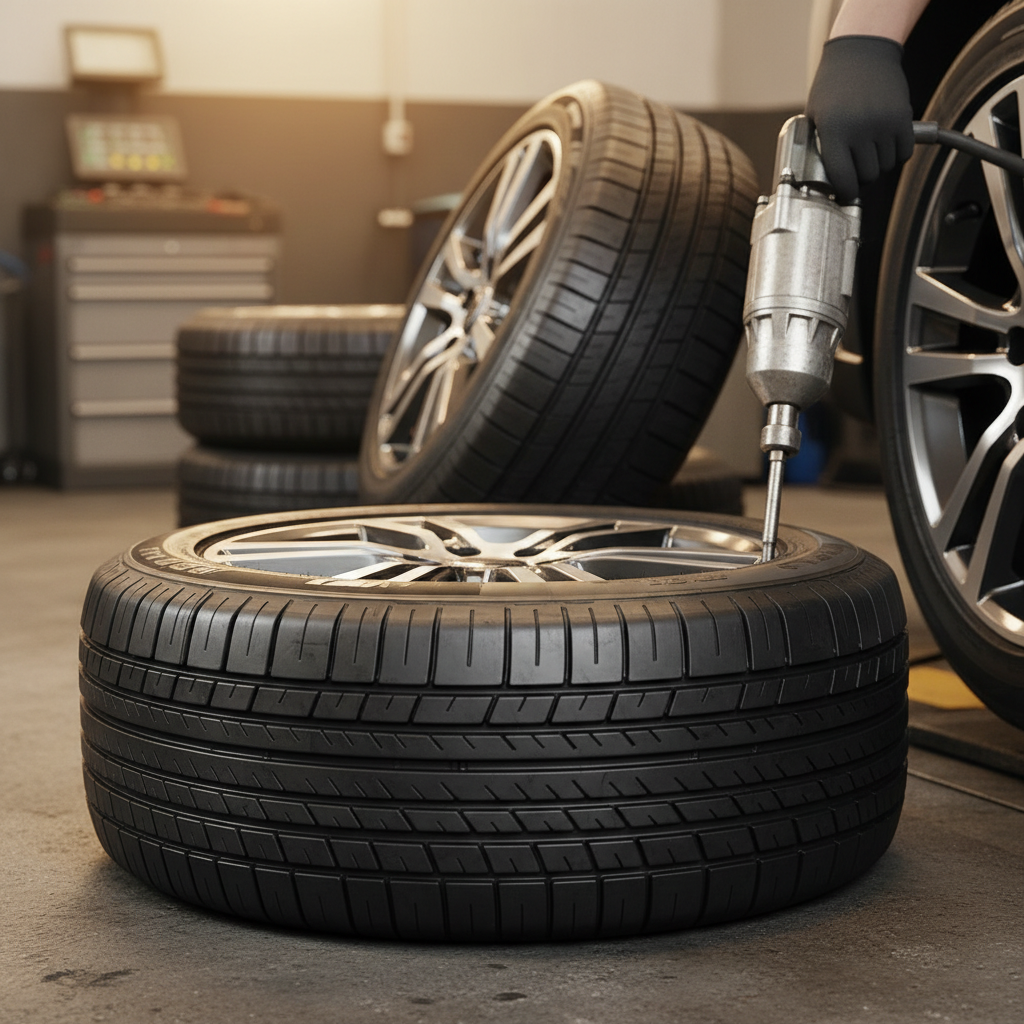
When you've switched to winter tires, you'll need to store your all-season tires properly. Clean them thoroughly to remove any dirt or debris, and store them in a cool, dry place out of direct sunlight. Consider using tire covers to protect them from dust and other elements.
Proper storage ensures that your all-season tires remain in good condition, ready to be reinstalled when the warmer months return.
Conclusion: Stay Safe on NL's Winter Roads
Preparing for Newfoundland's winter roads is all about being proactive. By switching to winter tires, choosing the right ones, and maintaining them appropriately, you're taking essential steps to ensure your safety and the safety of others on the road.
Remember, your safety is worth the investment. Stay ahead of the winter weather and drive with confidence, knowing your vehicle is equipped to handle whatever Mother Nature throws your way.