
The Ultimate Guide to Choosing the Right Wheels and Tires for Your Vehicle


Understanding Your Vehicle’s Needs
Choosing the right wheels and tires for your vehicle is crucial for performance, safety, and aesthetics. It's not just about picking something that looks good; the right combination can significantly affect your driving experience. Before making a decision, it's essential to understand your vehicle’s specifications and the driving conditions you frequently encounter.
Types of Tires
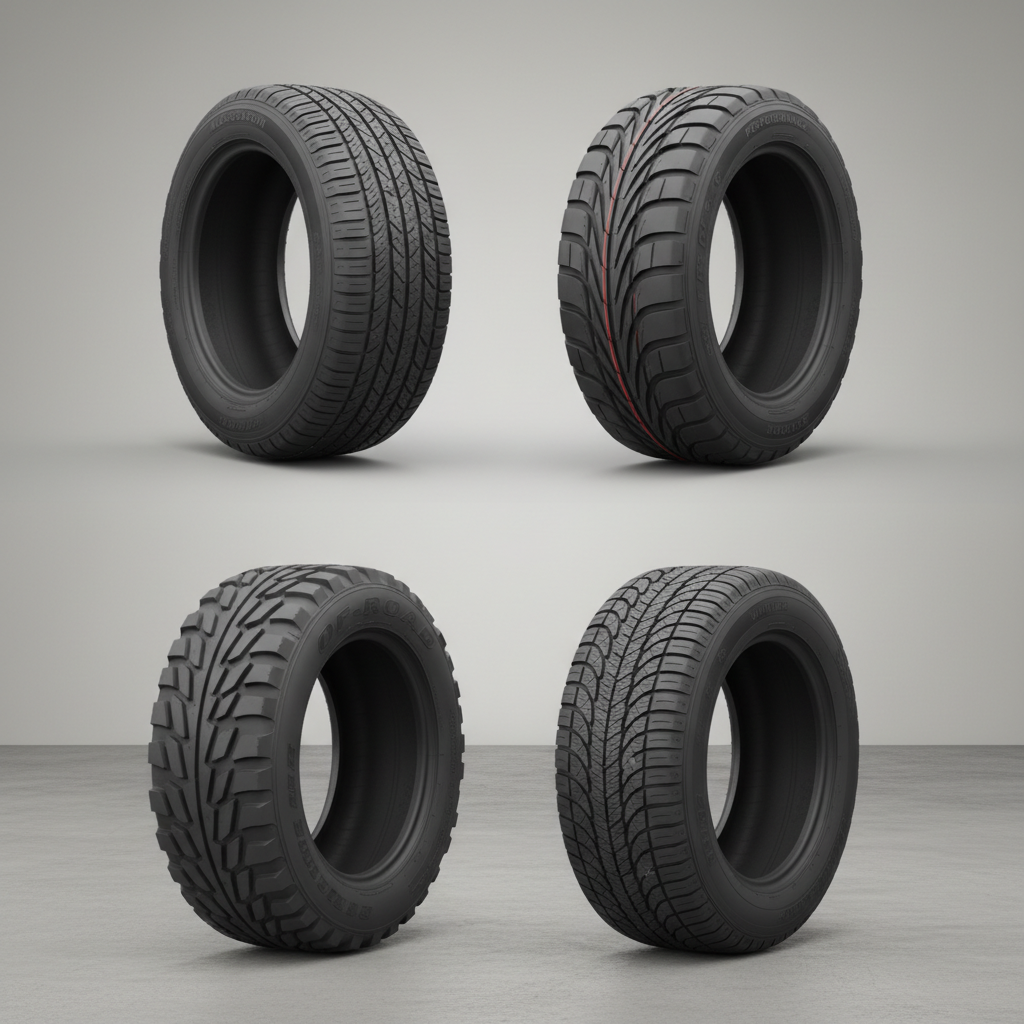
There are different types of tires designed for various purposes. All-season tires are versatile and suitable for a range of conditions but may not excel in extreme weather. Performance tires offer enhanced handling and speed capabilities, ideal for sports cars. Winter tires provide better traction on snow and ice, while off-road tires are designed for rugged terrains.
Choosing the Right Tire Type
Consider the climate and terrain you drive in most often. If you live in an area with harsh winters, investing in a set of winter tires is wise. Conversely, if you frequently drive on highways and value speed, performance tires could be a better fit.
Wheel Size and Material
Wheel size can impact your vehicle's handling and fuel efficiency. Larger wheels often provide better handling but can reduce fuel economy due to increased weight. Consider the manufacturer’s recommendations for wheel size to maintain an optimal balance between performance and efficiency.
Materials Matter
Wheels are typically made from steel or alloy. Steel wheels are durable and cost-effective, while alloy wheels are lighter and offer better performance. Your choice should align with your driving needs and budget.

Understanding Tire Specifications
Tire specifications are marked on the sidewall and include width, aspect ratio, and diameter. Understanding these numbers will help you select the right tire that fits your wheels. For example, a tire marked as 205/55R16 has a width of 205 mm, an aspect ratio of 55, and fits a 16-inch wheel.
Decoding the Numbers
These specifications also include load index and speed rating, which indicate the maximum weight a tire can carry and the maximum speed it can handle. Ensure these match your vehicle’s requirements for safe and optimal performance.
Budget Considerations
Your budget will play a significant role in your decision. While it might be tempting to go for the cheapest option, investing in quality wheels and tires can save you money in the long run by enhancing fuel efficiency and extending tire life.
Conclusion
Choosing the right wheels and tires involves considering multiple factors such as vehicle specifications, driving conditions, and budget. By understanding the different types of tires, wheel sizes, and tire specifications, you can make an informed decision that enhances your driving experience and ensures safety on the road.