
Top 5 Common Myths About Tires Debunked


Understanding Tire Myths
When it comes to vehicle maintenance, tires often fall victim to a variety of misconceptions. These myths can lead to improper care and potentially unsafe driving conditions. In this article, we’ll explore and debunk the top five common myths about tires to help you maintain them effectively.
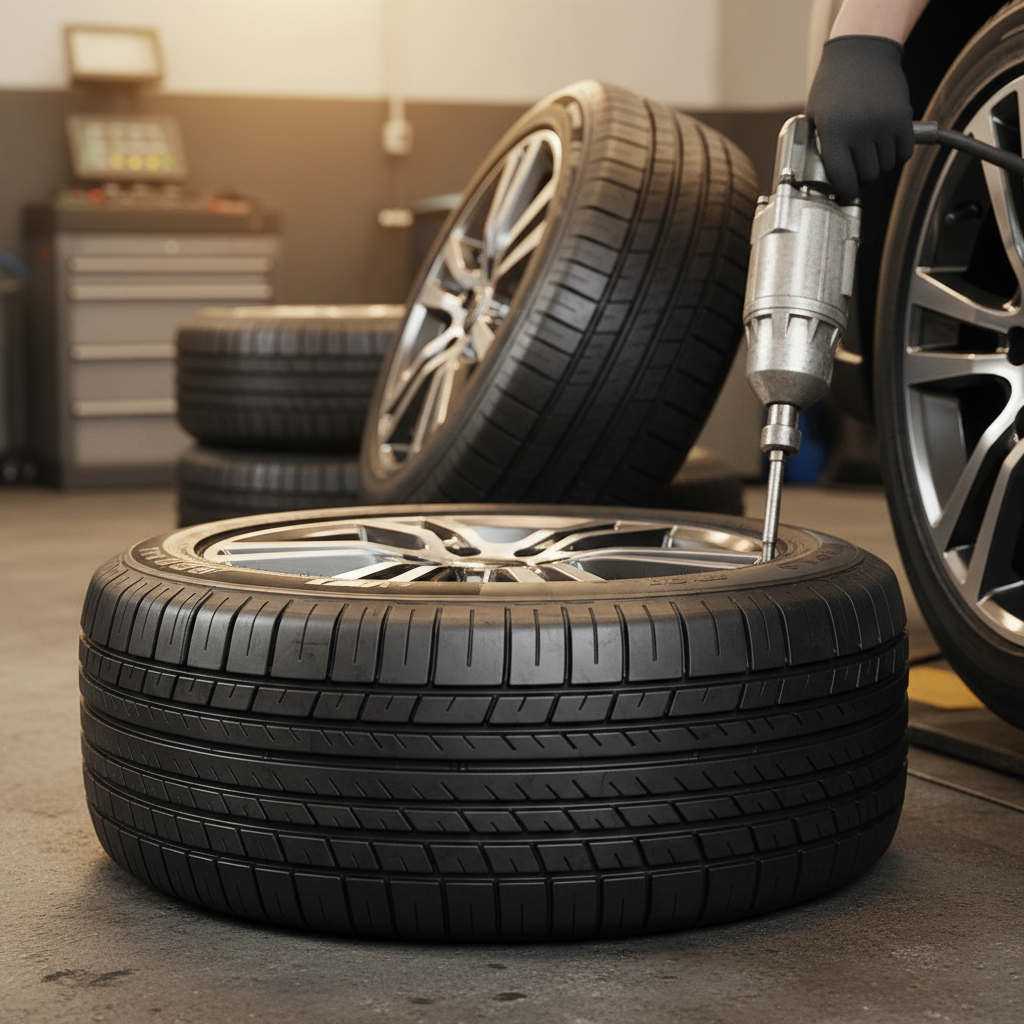
Myth 1: All Tires Are the Same
Many people believe that all tires are created equal, but this is far from the truth. Tires vary significantly in terms of design, material, and purpose. From all-season to winter-specific tires, each type is engineered to perform under specific conditions. Choosing the right tire for your driving needs is crucial for safety and performance.
Myth 2: New Tires Should Always Go on the Front
It's a common practice to place new tires on the front axle, but experts actually recommend installing them on the rear. This helps maintain better control during wet conditions or sudden maneuvers, as the more worn tires on the front will be less likely to cause oversteering.
The Importance of Tire Pressure
Proper tire pressure is vital for vehicle safety and fuel efficiency. However, misconceptions about tire inflation are widespread. Let’s debunk a couple of these myths to ensure your tires are properly maintained.
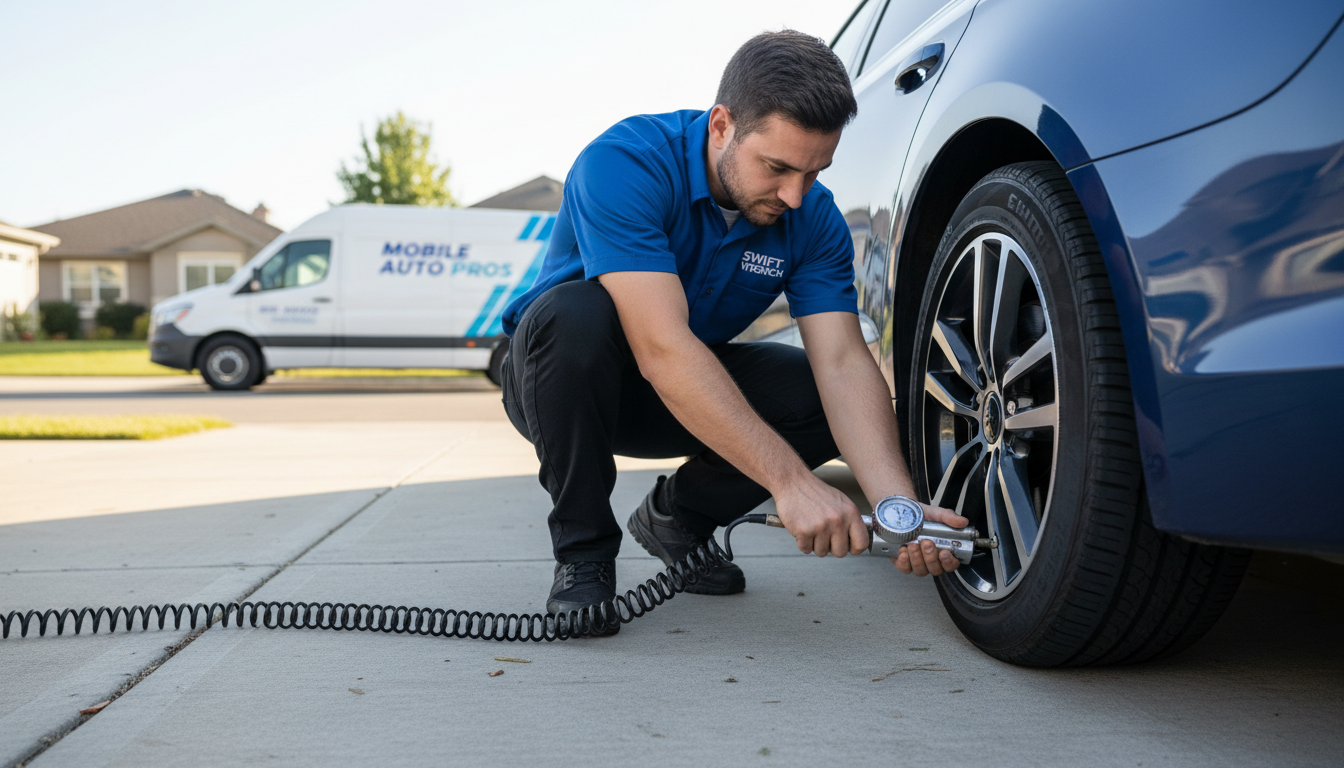
Myth 3: Tire Pressure Can Be Judged by Appearance
Many drivers assume they can tell if a tire is properly inflated just by looking at it. This is misleading. Tires can appear adequately inflated even when they are under-inflated. It's important to use a reliable tire gauge to check pressure regularly to ensure optimal performance and safety.
Myth 4: The Recommended Pressure is on the Tire Itself
Another common misconception is that the correct tire pressure is printed on the tire. In reality, the tire sidewall lists the maximum pressure, not the recommended one. The correct inflation level can usually be found in the vehicle’s owner’s manual or on a sticker inside the driver’s side door.
Tire Longevity and Maintenance
Proper tire maintenance is crucial for extending their lifespan and ensuring a safe driving experience. However, misunderstandings about tire longevity can lead to premature wear.
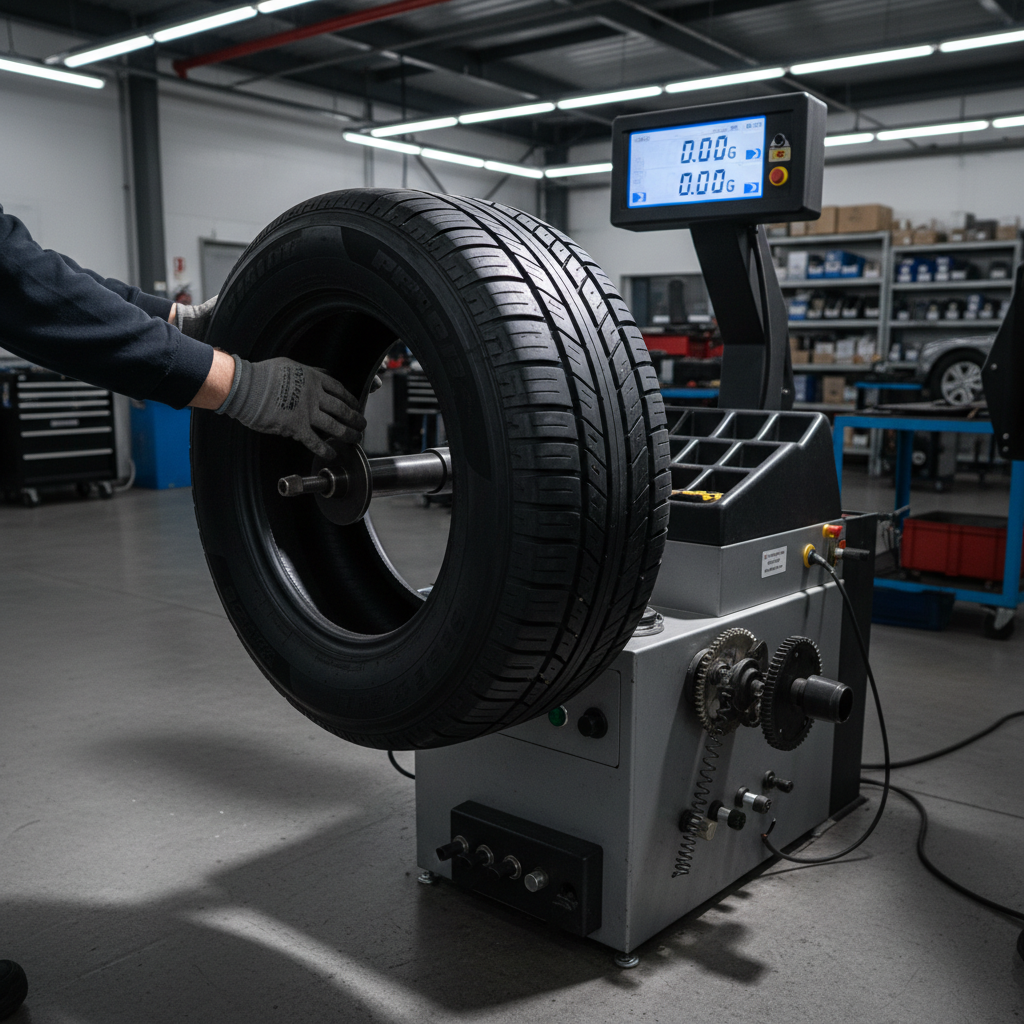
Myth 5: Tires Do Not Need Regular Rotation
Some drivers believe that tire rotation is unnecessary, but regular rotation is key to even tire wear. By rotating your tires every 5,000 to 8,000 miles, you can help distribute wear more evenly, which prolongs their life and enhances performance.
In conclusion, understanding the truth behind these common tire myths can help you make informed decisions about tire care. Proper maintenance not only improves safety but also enhances vehicle performance and fuel efficiency. Make sure to consult with a tire professional if you have any doubts or questions about your tires.