
Top 5 Myths About Wheel and Tire Care Debunked


Understanding Wheel and Tire Care
When it comes to maintaining your vehicle, wheel and tire care often gets overlooked. However, keeping them in top condition is crucial for safety and performance. Unfortunately, there are several myths that can lead drivers astray. Let's debunk these common misconceptions.
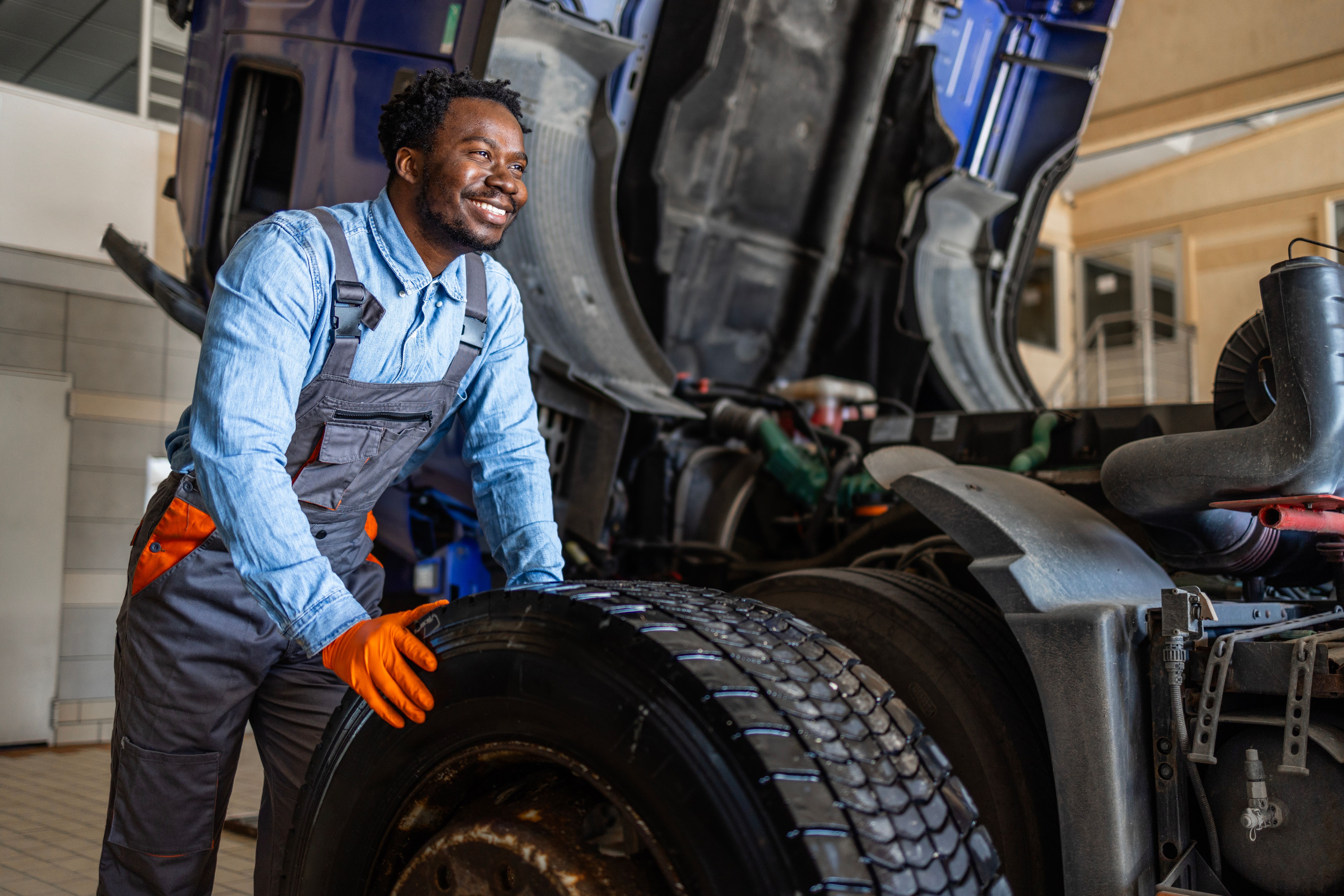
Myth 1: Tires Only Need to Be Replaced When Worn Out
Many people believe that tires only need to be replaced when the tread is visibly worn. However, tires can deteriorate due to age or environmental factors, even if they look fine. Experts recommend replacing tires every six to ten years regardless of tread wear.
Check the sidewall of your tire for the manufacturing date. If your tires are approaching the six-year mark, it’s time to consider a replacement.
Myth 2: All Tires Are Created Equal
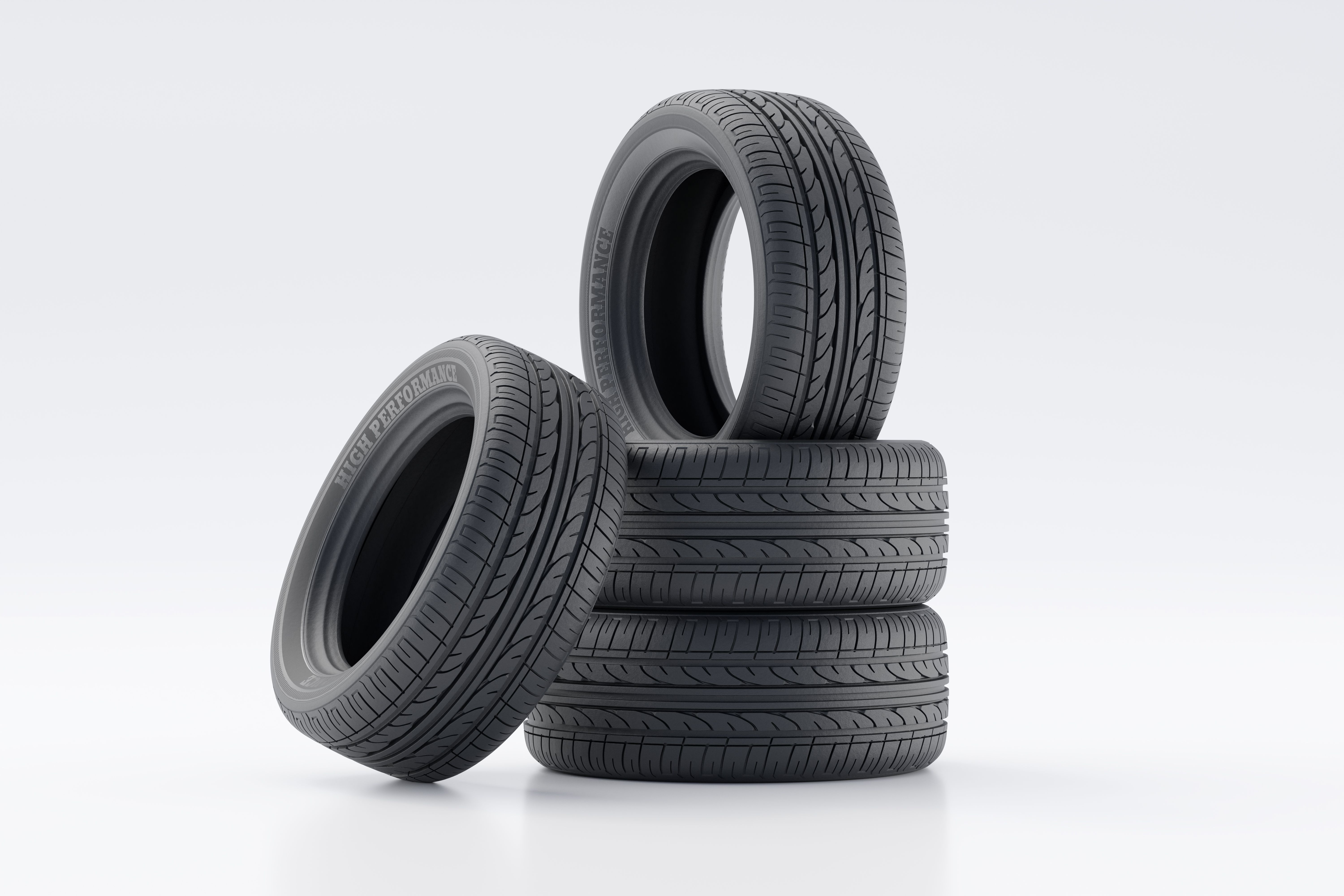
Another common myth is that all tires are the same, so the cheapest option will do. In reality, tire quality can significantly affect your vehicle's handling, fuel efficiency, and safety. Investing in high-quality tires suited to your driving conditions is wise.
Myth 3: Tire Pressure Isn’t That Important
Some drivers underestimate the importance of maintaining proper tire pressure. Incorrect tire pressure can lead to poor fuel efficiency, increased tire wear, and even blowouts. Regularly check your tire pressure, especially before long trips, to ensure it matches the manufacturer's specifications.
Remember, tire pressure can fluctuate with temperature changes, so regular checks are essential.
Myth 4: Wheel Alignment Is a One-Time Fix
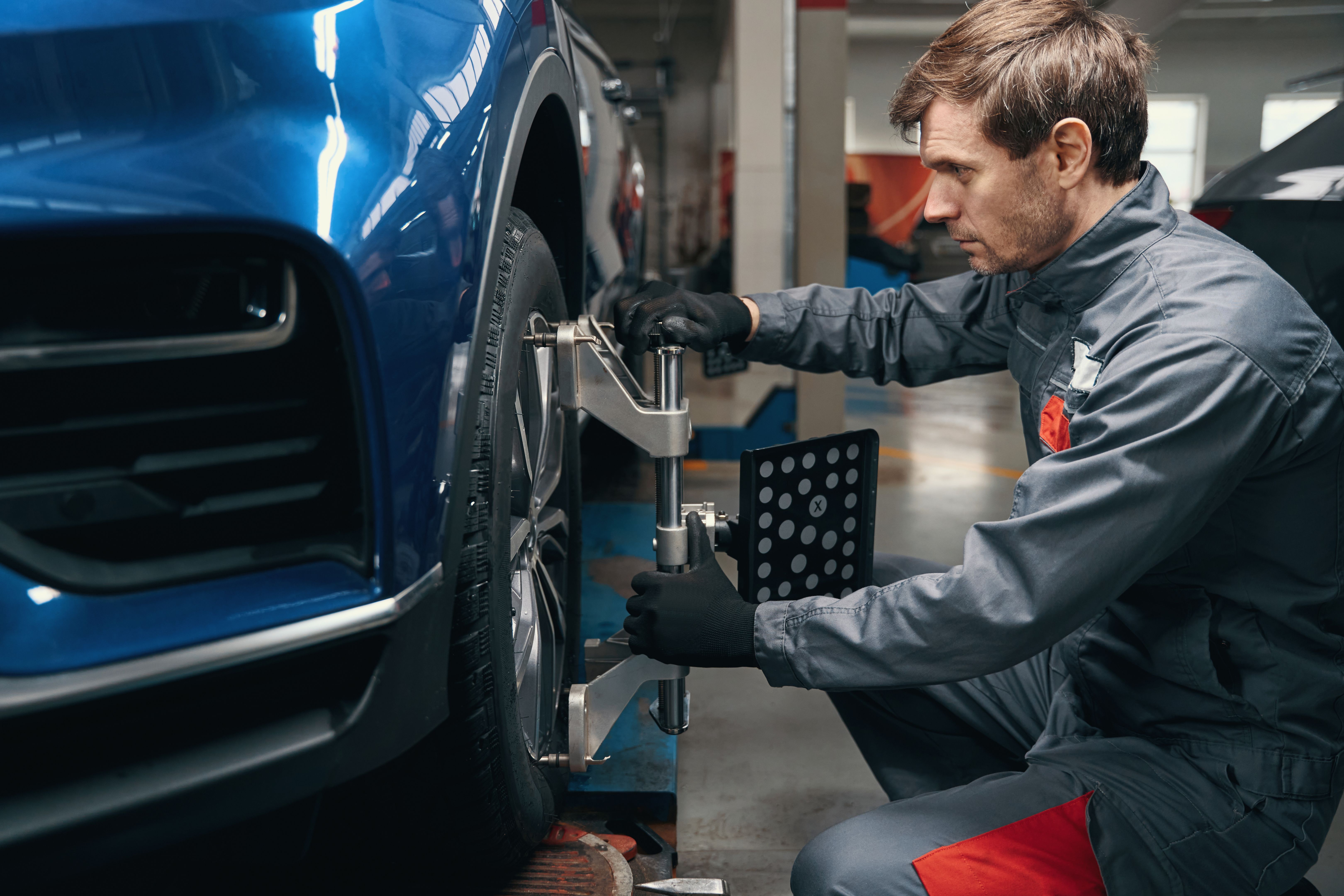
Many believe that wheel alignment is only necessary once. However, hitting a curb or driving on rough roads can knock your wheels out of alignment. Regular alignment checks can prevent uneven tire wear and improve vehicle handling.
Myth 5: Tires Should Be Rotated Only When There's a Problem
Some drivers wait to rotate their tires until they notice a problem, like uneven wear. In reality, regular tire rotations are essential for even wear and extending tire life. It's recommended to rotate your tires every 5,000 to 8,000 miles.
By following a regular rotation schedule, you can ensure your tires wear evenly and last longer.
Conclusion
Understanding the truth behind these myths can help you maintain your wheels and tires effectively. Regular checks, proper maintenance, and investing in quality products can significantly enhance your driving experience and safety.