
Top 5 Signs You Need New Tires: A Checklist for Safety


Uneven Tread Wear
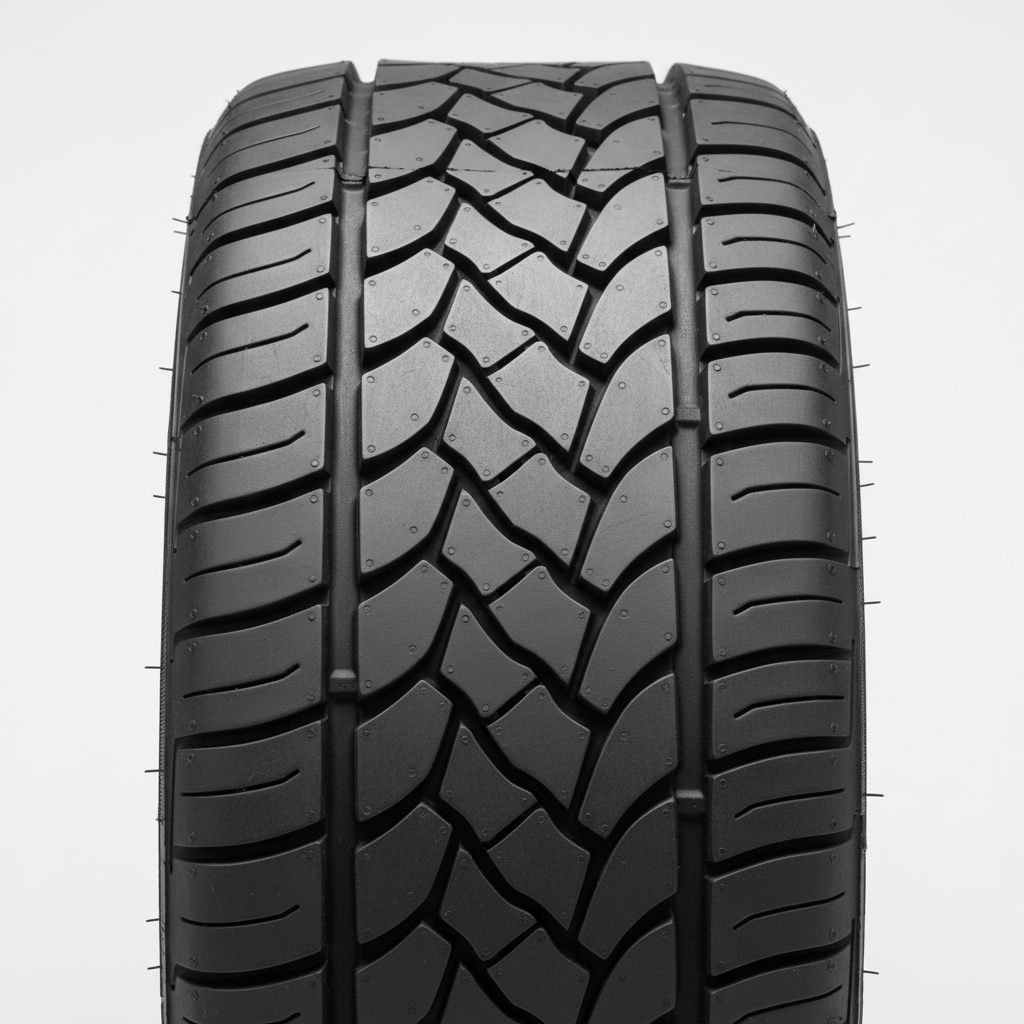
One of the first signs that you may need new tires is uneven tread wear. Tread wear can indicate a number of issues, from improper inflation to misalignment. Take a coin and insert it into the tread grooves; if the wear pattern is inconsistent, it might be time to consider replacing your tires.
Causes of Uneven Wear
Uneven tread wear can be caused by various factors, including poor alignment, unbalanced wheels, or even aggressive driving habits. Regularly checking your tire pressure and having your wheels aligned can help prevent this issue.
Low Tread Depth
Tread depth is crucial for maintaining traction on the road. If your treads are worn down, it can lead to decreased performance and increased stopping distances, especially in wet conditions. Use the penny test: insert a penny into the tread groove with Lincoln’s head facing down. If you can see the top of his head, it’s time for new tires.
Importance of Adequate Tread
Adequate tread depth is essential for dispersing water and maintaining grip. Without it, the risk of hydroplaning increases significantly, posing serious safety hazards.
Visible Cracks and Bulges
If you notice visible cracks or bulges on the sidewalls of your tires, it's a strong indicator that they need replacing. These imperfections can compromise the structural integrity of the tire, increasing the risk of blowouts.
Inspecting for Damage
Regularly inspect your tires for any signs of visible damage. Cracks can form due to exposure to harsh weather conditions or simply from aging. Bulges often result from impact damage, such as hitting a pothole.
Frequent Air Pressure Loss
Experiencing frequent air pressure loss can be a sign that your tires are no longer sealing properly. This can occur due to small punctures, valve stem issues, or general wear and tear. If you find yourself frequently refilling your tires, it may be time for a replacement.
Maintaining Proper Pressure
Keeping your tires properly inflated helps extend their lifespan and improve fuel efficiency. Regularly checking your tire pressure can help you catch issues early on.
Age of the Tires
Even if your tires look fine, they might be too old for safe use. Most manufacturers recommend replacing tires every six to ten years, regardless of their appearance. Check the tire's sidewall for the manufacturing date to determine its age.
Understanding Tire Expiry
Rubber degrades over time, which can lead to reduced performance and increased risk of failure. Keeping track of your tire's age helps ensure that you’re driving safely.