
Top Myths About Tire Care and Maintenance Debunked


Myth 1: You Only Need to Check Your Tire Pressure Occasionally
Many drivers believe that checking tire pressure is something that can be done infrequently. However, this is a common misconception. Tire pressure can fluctuate due to changes in temperature and regular driving conditions. It's essential to check your tire pressure at least once a month and before long trips to ensure optimal performance and safety.
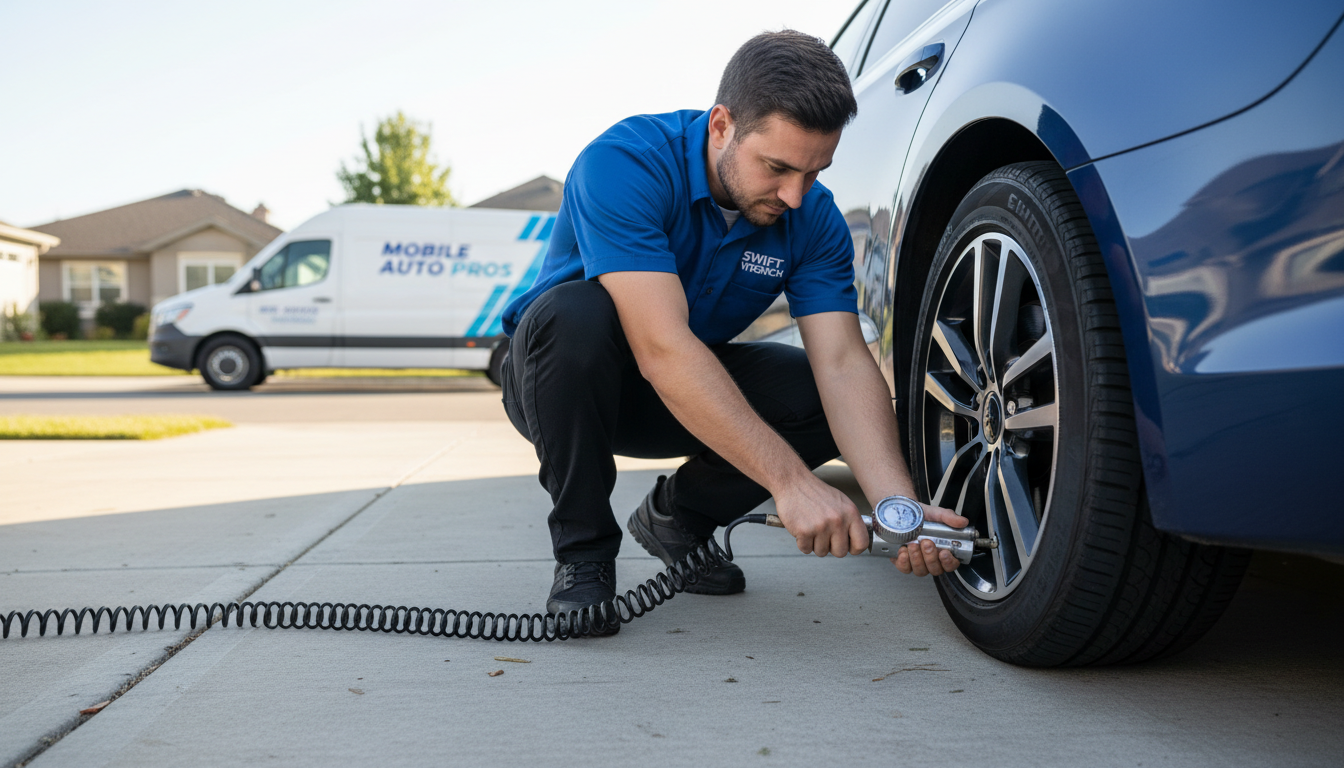
Under-inflated tires can lead to poor fuel efficiency, while over-inflated tires may cause uneven wear. Both scenarios can shorten the lifespan of your tires and compromise your vehicle's handling.
Myth 2: Tire Rotation Is Not Necessary
Some vehicle owners think tire rotation is an unnecessary service. On the contrary, regular tire rotation is crucial for even wear and extended tire life. Front and rear tires wear differently due to variations in weight distribution and driving dynamics.
By rotating your tires every 5,000 to 8,000 miles, you can help ensure that all tires wear evenly, which can save you money in the long run by delaying the need for new tires.
Myth 3: New Tires Are Always Balanced
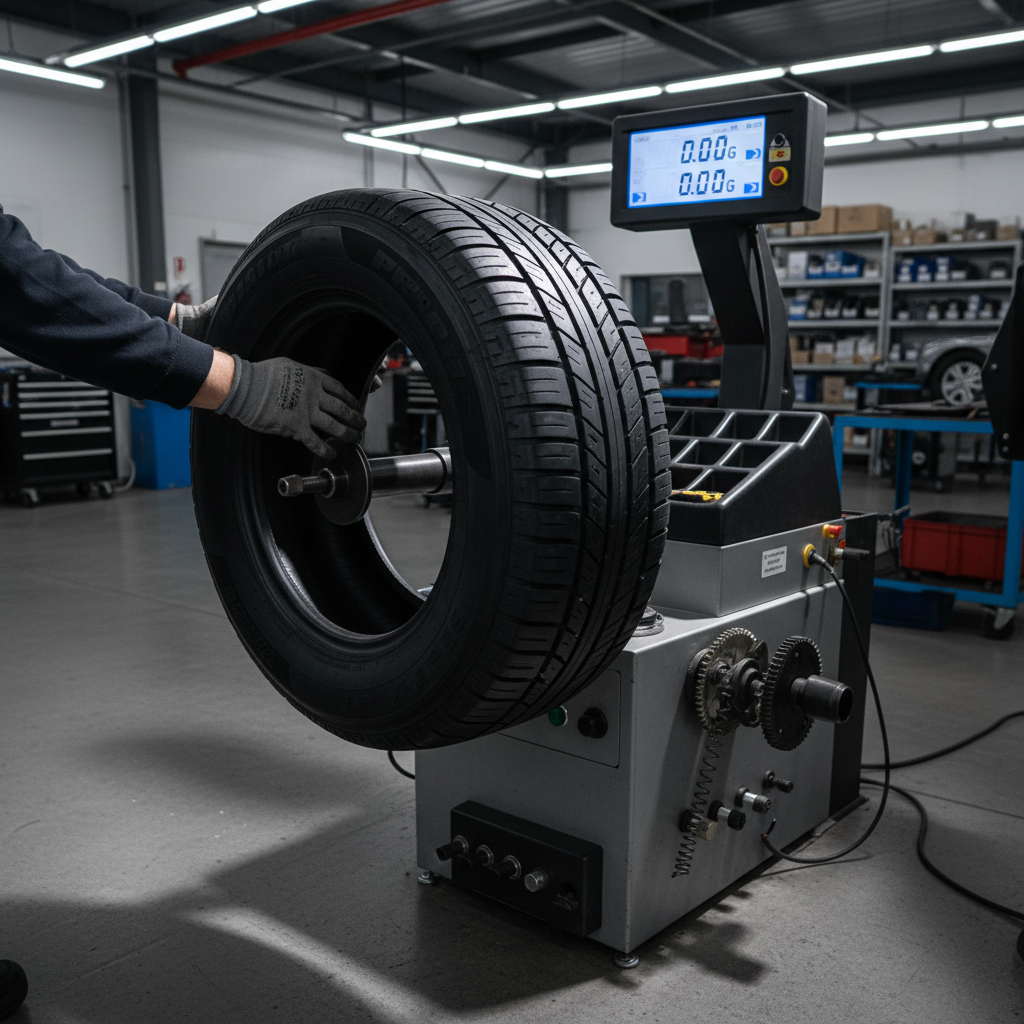
Another myth is that new tires do not need balancing. While new tires are manufactured with precision, they are not automatically balanced upon installation. Tire balancing involves adjusting the weight distribution around the tire and wheel assembly to eliminate vibrations.
If you notice any vibration or shaking while driving, it could be a sign that your tires need balancing. Properly balanced tires contribute to a smoother ride and prevent premature wear.
Myth 4: Tread Depth Is the Only Indicator of Tire Health
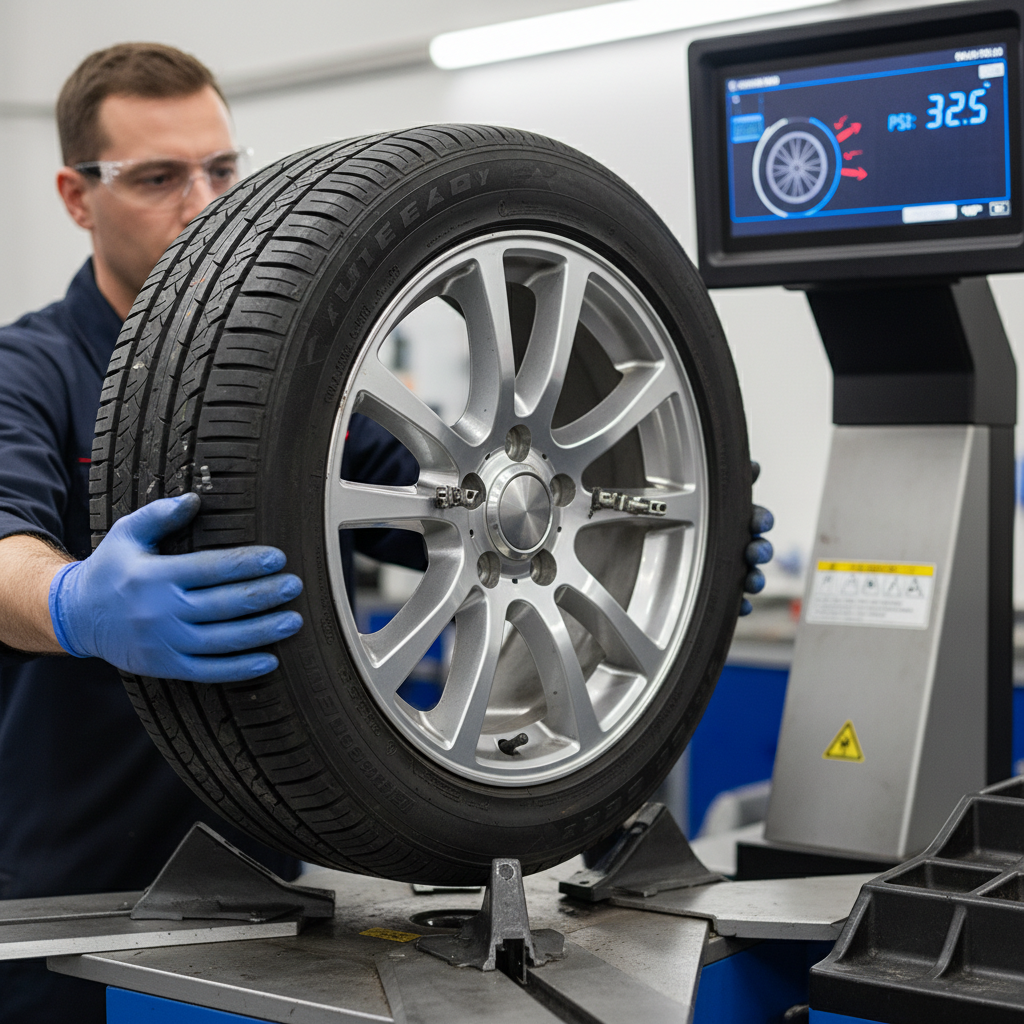
While tread depth is an important factor in assessing tire health, it's not the only one. Other aspects like sidewall integrity, age of the tire, and exposure to elements also play a significant role. Tires older than six years, regardless of tread depth, may need replacement due to rubber degradation.
Regularly inspect your tires for cracks, bulges, or any signs of damage. These indicators can help you determine if your tires need attention beyond just checking the tread depth.
Myth 5: All-Season Tires Are Perfect Year-Round
All-season tires are designed to handle a variety of conditions, but they may not provide the best performance in extreme weather. In areas with harsh winters, winter tires offer superior traction and safety on snow and ice.
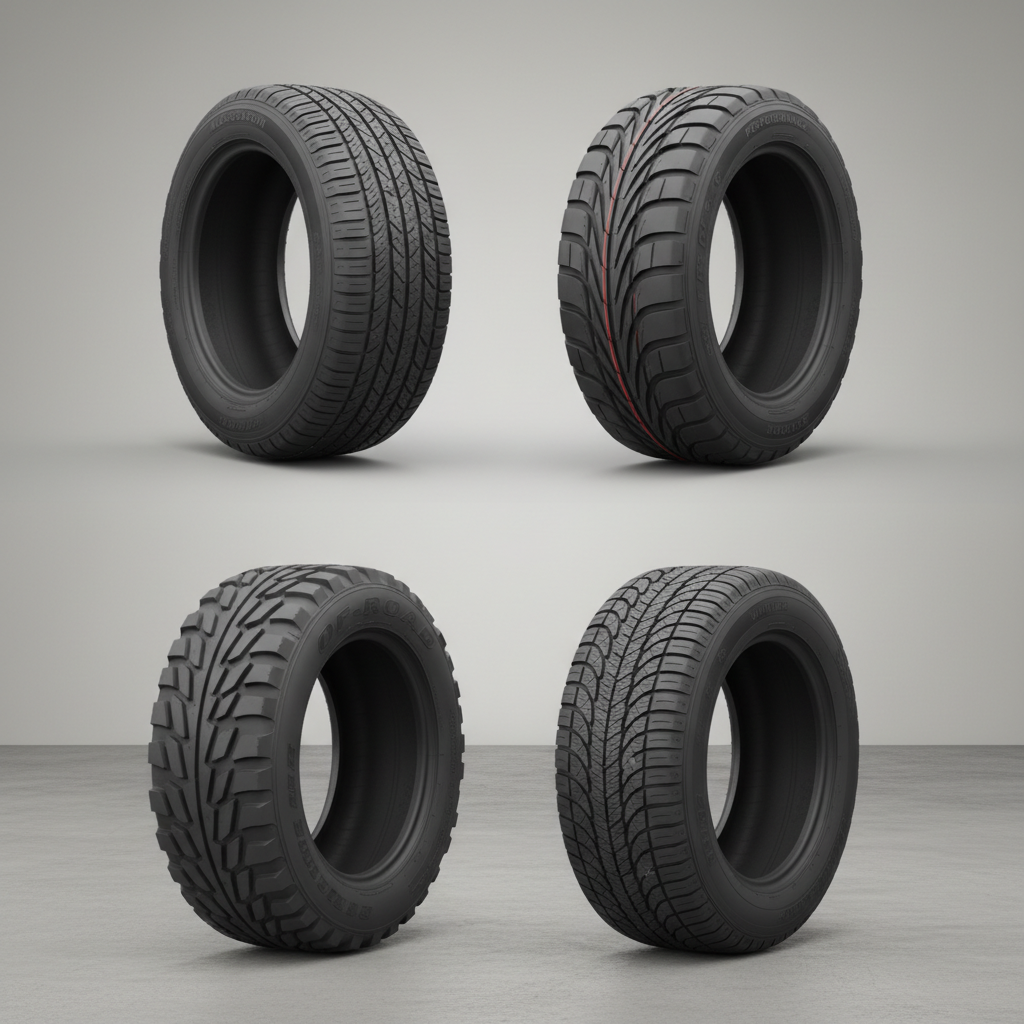
Conversely, if you live in a region with scorching summers, summer tires may offer better handling and durability. Consider your local climate when deciding on the right tires for your vehicle.
Conclusion
Understanding the facts about tire care and maintenance can enhance your vehicle's performance, safety, and longevity. By debunking these myths, you can make informed decisions that ensure your tires are always in top condition.