
Understanding the Differences: All-Season vs. Winter Tires for NL


Understanding the Basics
When it comes to choosing the right tires for your vehicle in Newfoundland and Labrador, understanding the differences between all-season and winter tires is crucial. Each type is designed to perform optimally in specific conditions, and selecting the right one can significantly impact your driving safety and comfort.

All-season tires are engineered to provide a decent performance in a variety of conditions. They are ideal for drivers who experience mild weather fluctuations and do not face extreme winter conditions. However, while they offer versatility, they may not excel in severe winter weather.
Performance in Various Conditions
In contrast, winter tires are specifically designed for cold temperatures, snow, and ice. They are made from a special rubber compound that remains flexible even in freezing conditions, enhancing grip and traction. This makes them a superior choice for harsh winter climates like those in Newfoundland and Labrador.
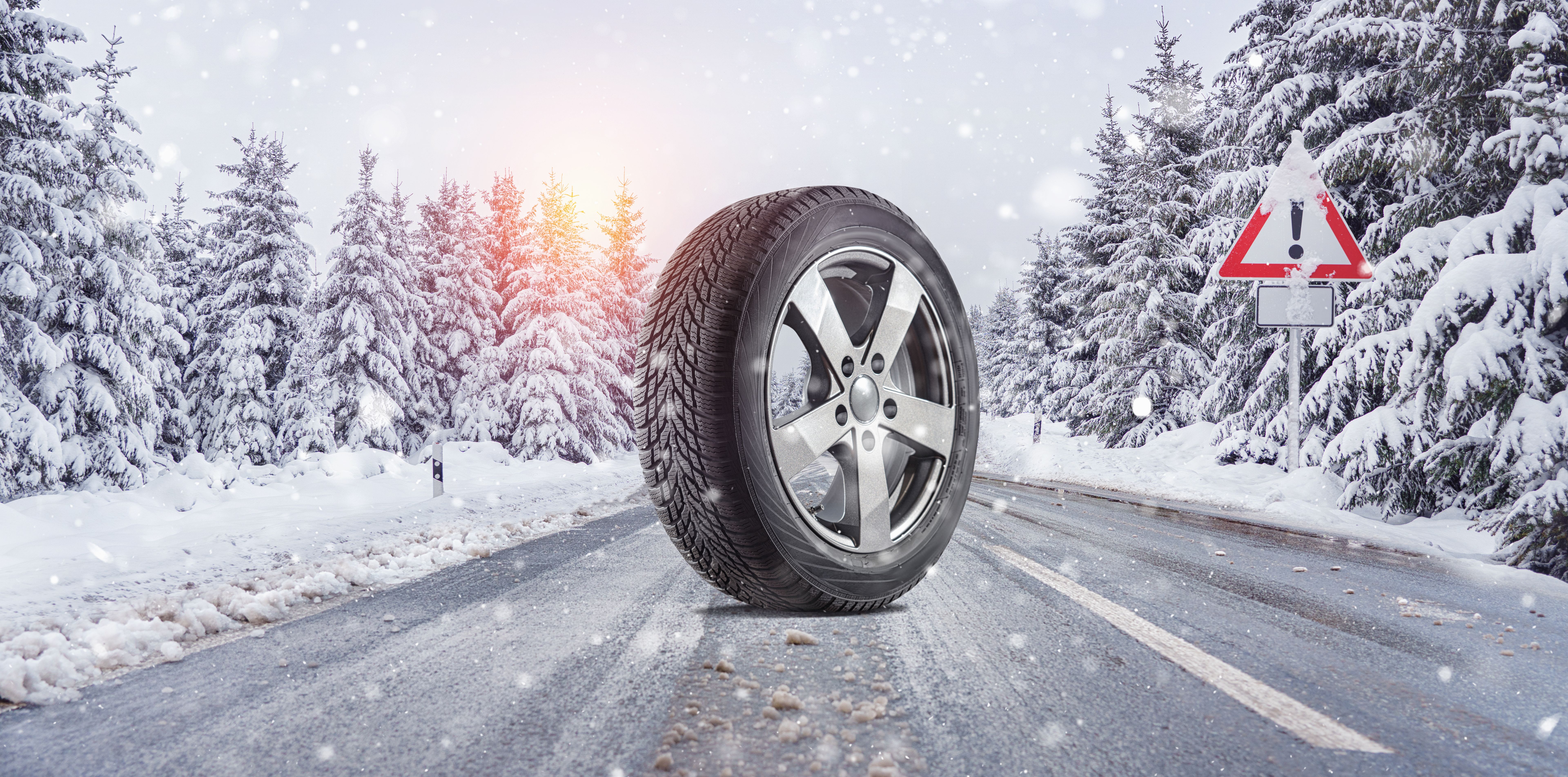
One key difference is the tread pattern. Winter tires have deeper grooves and more sipes, which help in dispersing snow and slush, providing better control. All-season tires, however, have a more moderate tread pattern, suitable for light snow but not for heavy winter conditions.
Temperature Considerations
Temperature plays a significant role in tire performance. All-season tires start to lose their effectiveness when temperatures drop below 7°C. In these conditions, the rubber hardens, reducing traction. Winter tires, on the other hand, maintain their flexibility, ensuring better grip and safety.

For drivers in Newfoundland and Labrador, where temperatures frequently dip below freezing, investing in winter tires can provide peace of mind and enhanced safety on icy roads.
Cost and Longevity
While winter tires are an added expense, they can help extend the life of your all-season tires by reducing wear during the winter months. Moreover, the improved safety and performance they offer can be invaluable.
- All-season tires: Cost-effective for mild climates, compromise on severe winter performance.
- Winter tires: Higher initial cost, but superior safety and performance in winter conditions.
It's essential to weigh the initial investment against the potential benefits in terms of safety and vehicle maintenance.
Making the Right Choice
Ultimately, the choice between all-season and winter tires depends on your specific driving conditions and needs. In a region like Newfoundland and Labrador, where winters can be particularly harsh, opting for winter tires is often the wisest decision.

Before making a purchase, consider factors such as driving habits, the severity of local winters, and budget. Consulting with a tire professional can also provide valuable insights into the best options for your vehicle.
By understanding the differences between all-season and winter tires, you can make an informed decision that enhances your driving safety and performance throughout the year.