
Understanding the Environmental Impact of Tires and How to Choose Eco-Friendly Options


Understanding the Environmental Impact of Tires
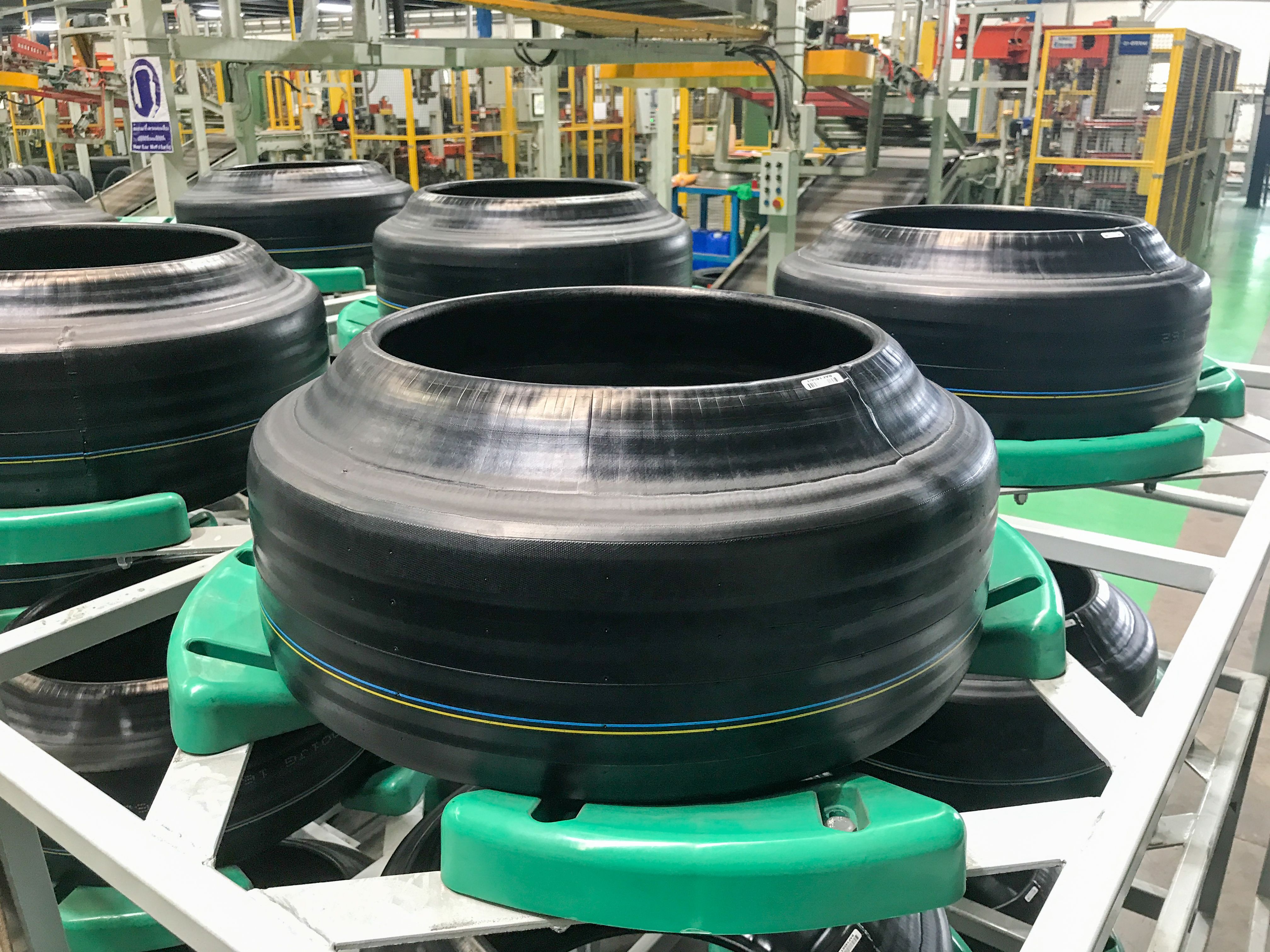
Tires are a crucial component of our vehicles, yet their environmental impact is often overlooked. From production to disposal, tires pose significant ecological challenges. One of the primary concerns is that traditional tire manufacturing requires substantial amounts of natural resources, including rubber, steel, and various chemicals. The extraction and processing of these materials contribute to deforestation, pollution, and greenhouse gas emissions.
Moreover, the sheer number of tires produced annually adds to the problem. According to the U.S. Tire Manufacturers Association, over 3 billion tires are produced worldwide each year. This massive production not only depletes natural resources but also results in an enormous waste management challenge, as tires are notoriously difficult to dispose of properly.
The Problem with Tire Disposal
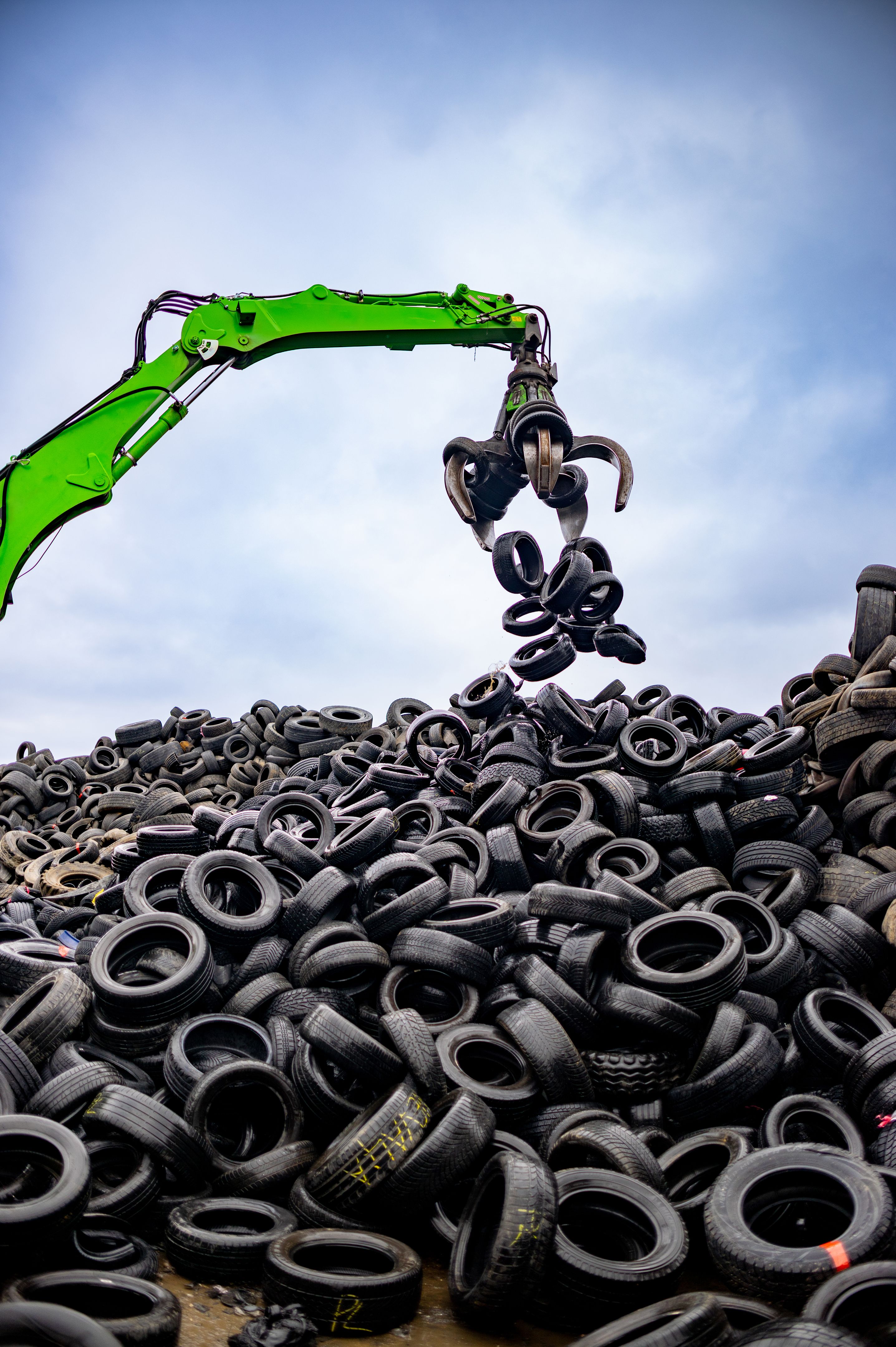
Once tires reach the end of their life cycle, they often become an environmental burden. Tires are non-biodegradable, which means they do not break down naturally over time. When improperly disposed of, they can leach harmful chemicals into the soil and water, posing risks to both wildlife and human health.
Additionally, tire fires, although rare, can occur in landfills or illegal dumping sites. These fires release toxic gases into the atmosphere, contributing to air pollution and posing significant health risks to nearby communities. The smoke from tire fires can contain a variety of hazardous compounds, including carbon monoxide and sulfur dioxide.
Choosing Eco-Friendly Tire Options
Fortunately, there are steps consumers can take to minimize the environmental impact of their tires. Choosing eco-friendly tire options is a proactive way to contribute to sustainability. Here are some key factors to consider when selecting environmentally friendly tires:
Materials and Manufacturing
Opt for tires made from sustainable materials. Many manufacturers are now producing tires with natural rubber sourced from responsibly managed plantations. Additionally, some companies have started using recycled materials in their tire production processes, reducing the need for virgin resources.
Investigate the manufacturing processes of different tire brands. Companies that employ energy-efficient methods and utilize renewable energy sources are typically more environmentally conscious. Furthermore, some manufacturers are committed to reducing waste during production, which can significantly decrease their overall environmental footprint.

Tire Longevity and Performance
Longevity and performance are crucial factors to consider when selecting eco-friendly tires. Tires that last longer reduce the frequency of replacement, thereby decreasing waste. Look for tires with a high mileage rating and strong durability track record. Additionally, tires that offer low rolling resistance can improve fuel efficiency, leading to lower emissions from your vehicle.
Proper tire maintenance is equally important. Regularly checking tire pressure and alignment can enhance performance, extend tire life, and reduce fuel consumption. Well-maintained tires not only save money but also lessen environmental impact.
Recycling and Disposal
When it's time to replace your tires, ensure they are disposed of responsibly. Many tire retailers and manufacturers offer recycling programs, turning old tires into new products like rubberized asphalt, athletic tracks, or playground surfaces. Utilizing these programs helps prevent tires from ending up in landfills and reduces environmental harm.
- Choose sustainable materials.
- Check manufacturing practices.
- Focus on tire longevity.
- Maintain proper tire care.
- Participate in recycling programs.
By understanding the environmental impact of tires and making informed choices, consumers can contribute to a more sustainable future. Selecting eco-friendly tire options not only benefits the environment but also promotes a cleaner, healthier planet for generations to come.