
Understanding the Impact of NL Weather on Your Tires


Introduction
Driving in Newfoundland (NL) presents unique challenges, especially when it comes to your tires. The weather conditions in this region can vary greatly, impacting tire performance and safety. Understanding these effects is crucial for maintaining your vehicle and ensuring a smooth, safe ride.
Winter Conditions
NL is known for its harsh winters, often characterized by heavy snowfall and icy roads. These conditions can significantly affect tire traction and control. It's essential to use winter tires, which are specifically designed to handle snow and ice. Their unique tread patterns and rubber compounds provide better grip, reducing the risk of accidents during the cold months.
Winter tires also have a distinct advantage in terms of stopping distance. On icy roads, the stopping distance with winter tires can be substantially shorter compared to all-season tires. This difference can be critical in preventing collisions.
Tire Pressure and Cold Temperatures
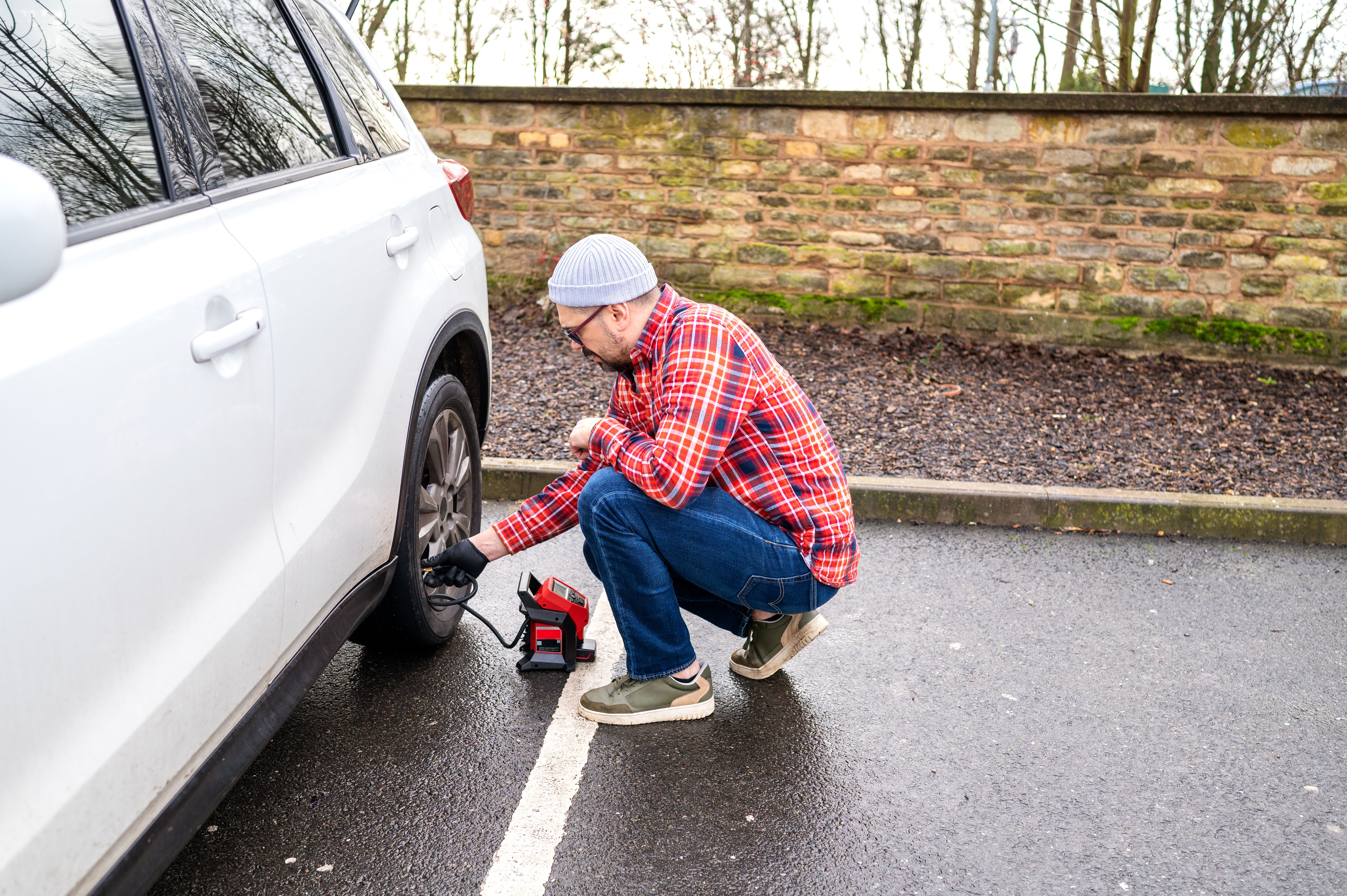
Cold temperatures can lead to a drop in tire pressure, which affects fuel efficiency and handling. Regularly checking and adjusting tire pressure during the winter months is vital. A pressure gauge can be a handy tool to ensure your tires are always at optimal pressure levels.
Spring Thaw and Potholes
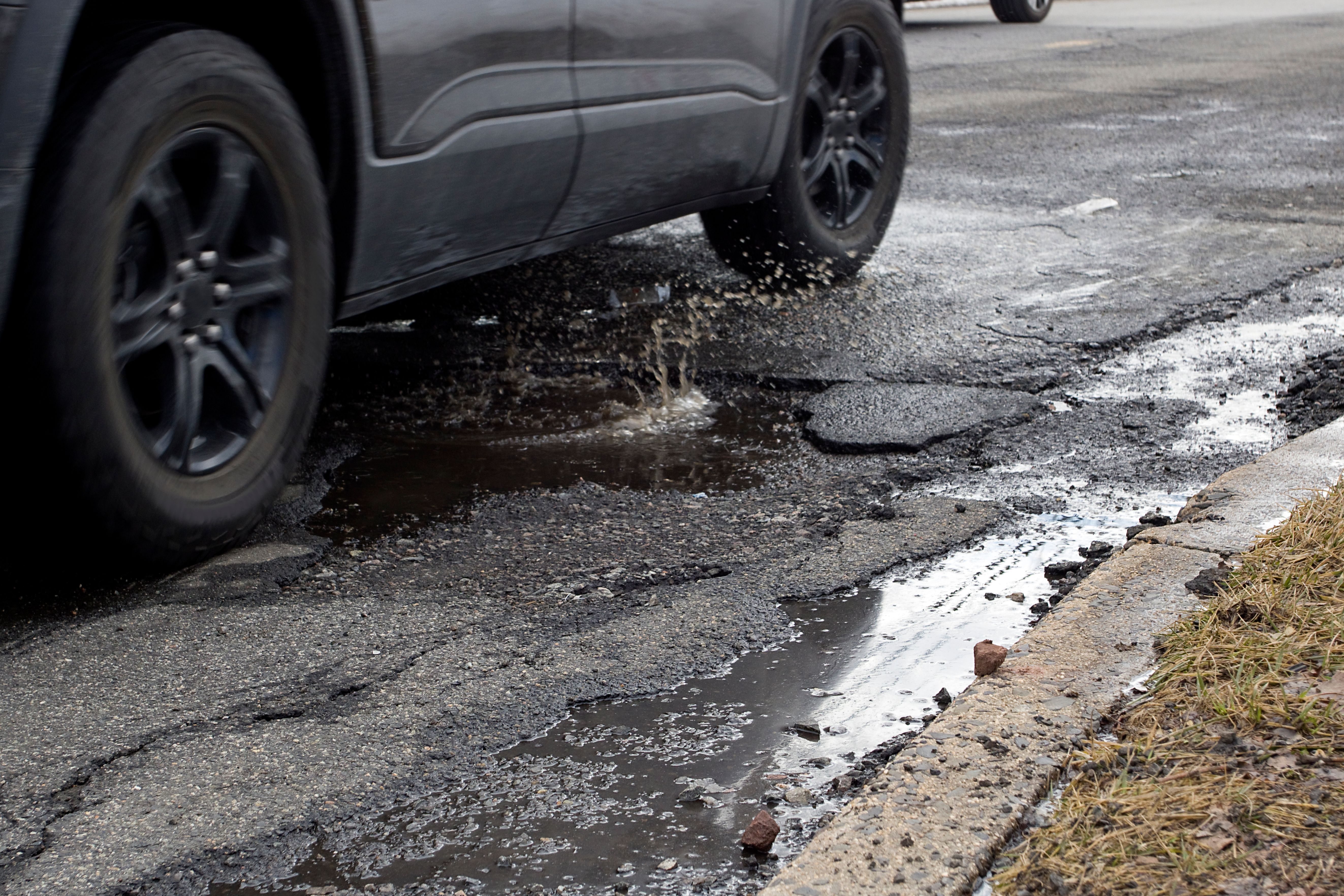
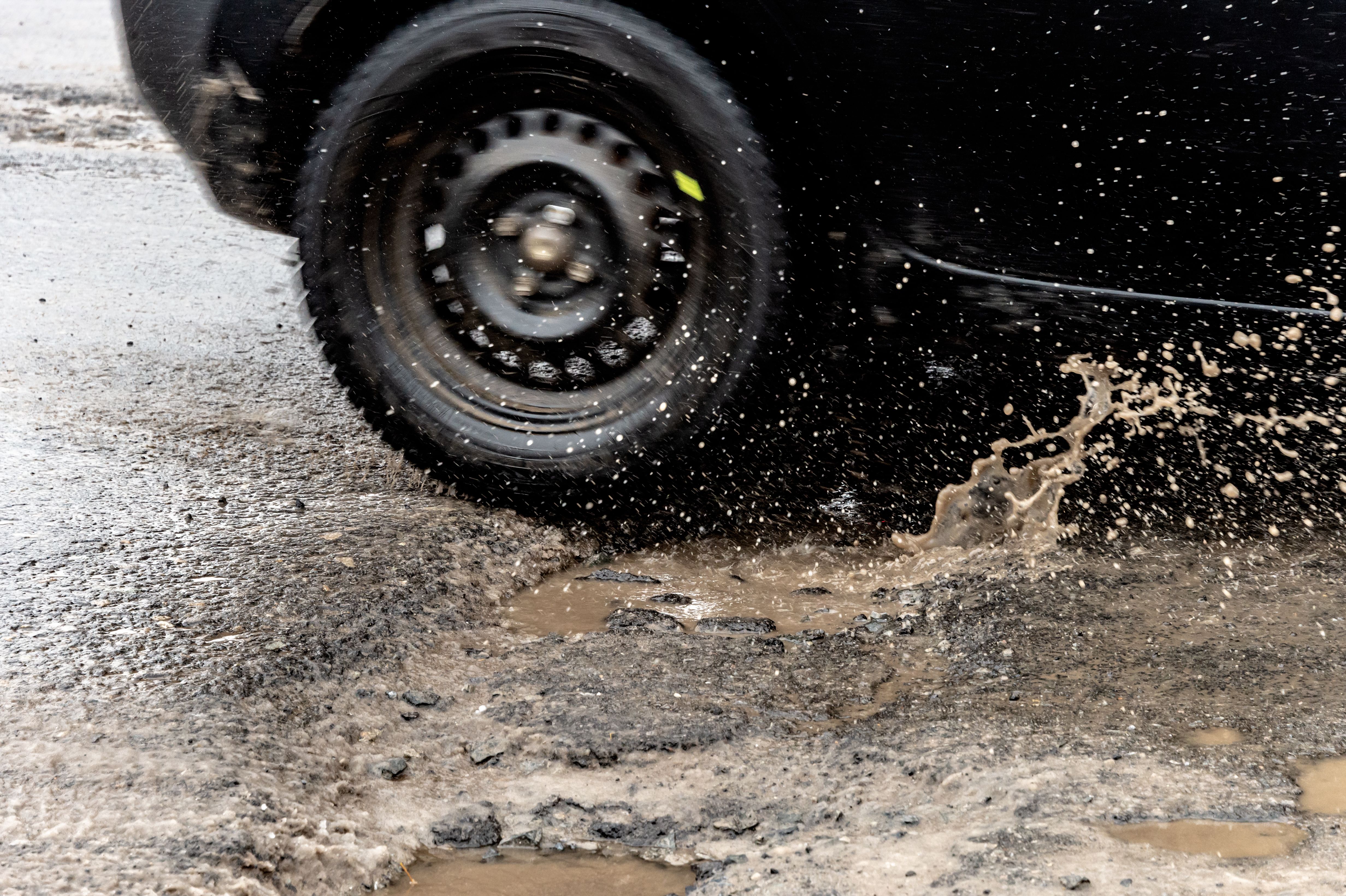
As winter transitions to spring, the thawing process can lead to the formation of potholes. These can cause significant damage to tires and wheels, leading to punctures or alignment issues. Driving cautiously and avoiding potholes whenever possible can help protect your tires.
It's also advisable to have your tires inspected for any damage after winter. Look for signs of wear or punctures that might have occurred, and consider rotating them as part of your spring maintenance routine.
Summer Heat and Tire Wear
During the summer, high temperatures can cause tires to expand, which may lead to increased wear if not monitored. Hot weather also affects the rubber compound, potentially reducing the lifespan of your tires. Ensuring your tires are properly inflated can help mitigate some of these effects.
Additionally, summer is a good time to switch to all-season or summer tires if you have been using winter tires. These are designed to handle warmer conditions and provide better performance on dry or wet roads during the summer months.
Conclusion
Understanding how NL's weather affects your tires is essential for safe and efficient driving. By being proactive and adjusting your tire maintenance routine according to the season, you can enhance your vehicle's performance and extend the life of your tires. Regular checks and timely replacements are key strategies to ensure you're always ready for any weather conditions.