
Understanding Tire Regulations and Safety Standards in Newfoundland


Introduction to Tire Regulations
In Newfoundland, understanding tire regulations is crucial for ensuring both driver safety and vehicle compliance. The province has specific requirements designed to handle its unique weather conditions and road types. Adhering to these regulations not only enhances safety but also helps avoid potential fines.

Winter Tire Requirements
Winter tires are essential in Newfoundland due to harsh winter conditions. It is mandatory for vehicles to be equipped with winter tires from December 1st to April 30th. These tires must have a minimum tread depth of 3.5 mm to ensure adequate grip on icy and snowy roads.
Using winter tires can significantly reduce stopping distances and improve vehicle control. They are made from a softer rubber compound that remains flexible in low temperatures, providing better traction compared to all-season tires.
All-Season vs. Winter Tires
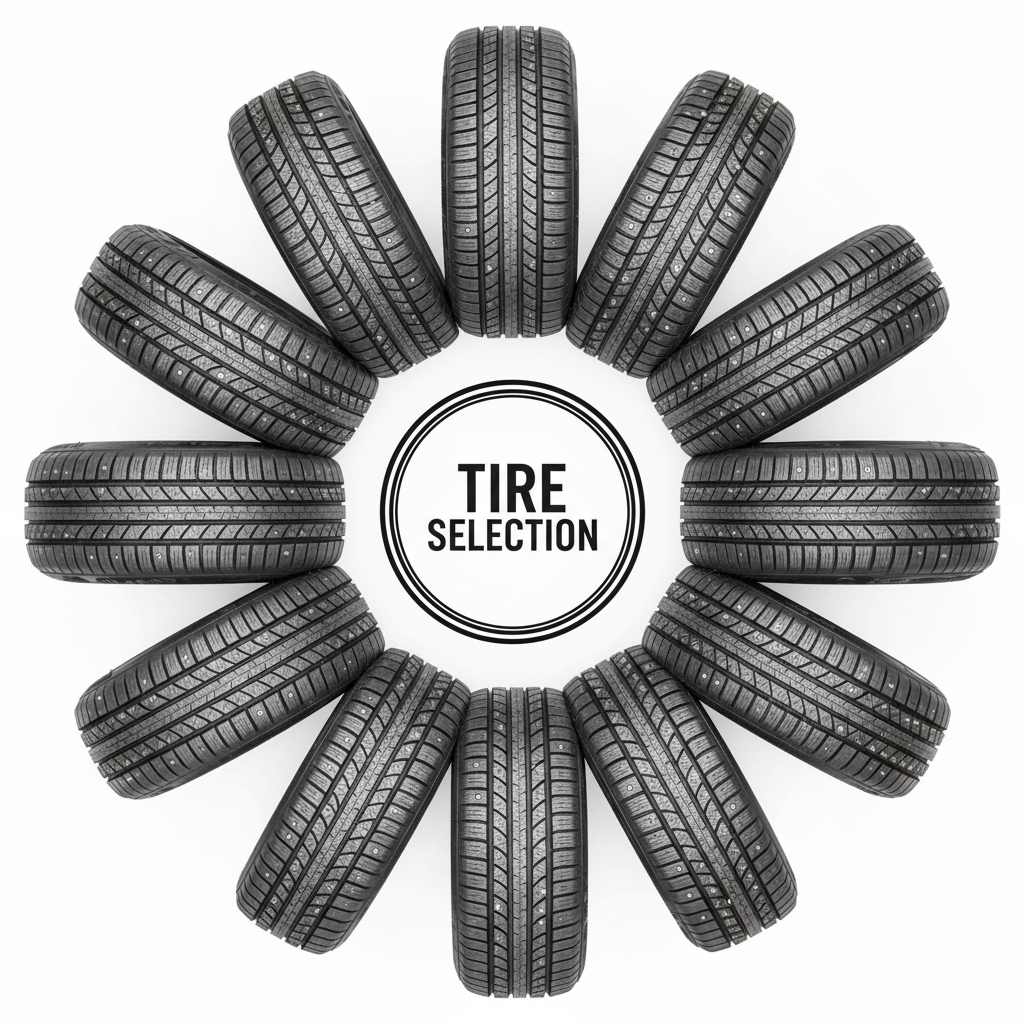
While all-season tires can be used throughout the year, they are not recommended for winter driving in Newfoundland. Winter tires are specifically designed to handle cold temperatures and slippery surfaces. Choosing the right tire type can make a significant difference in safety and performance.
Tire Maintenance and Safety Checks
Regular tire maintenance is crucial for safety and longevity. Drivers should routinely check their tire pressure, as well as inspect for any signs of wear and tear. Properly inflated tires improve fuel efficiency and reduce the risk of blowouts.
It is also recommended to rotate your tires every 10,000 km to ensure even wear. This simple step can extend the life of your tires and maintain optimal vehicle handling.
Tread Depth and Safety
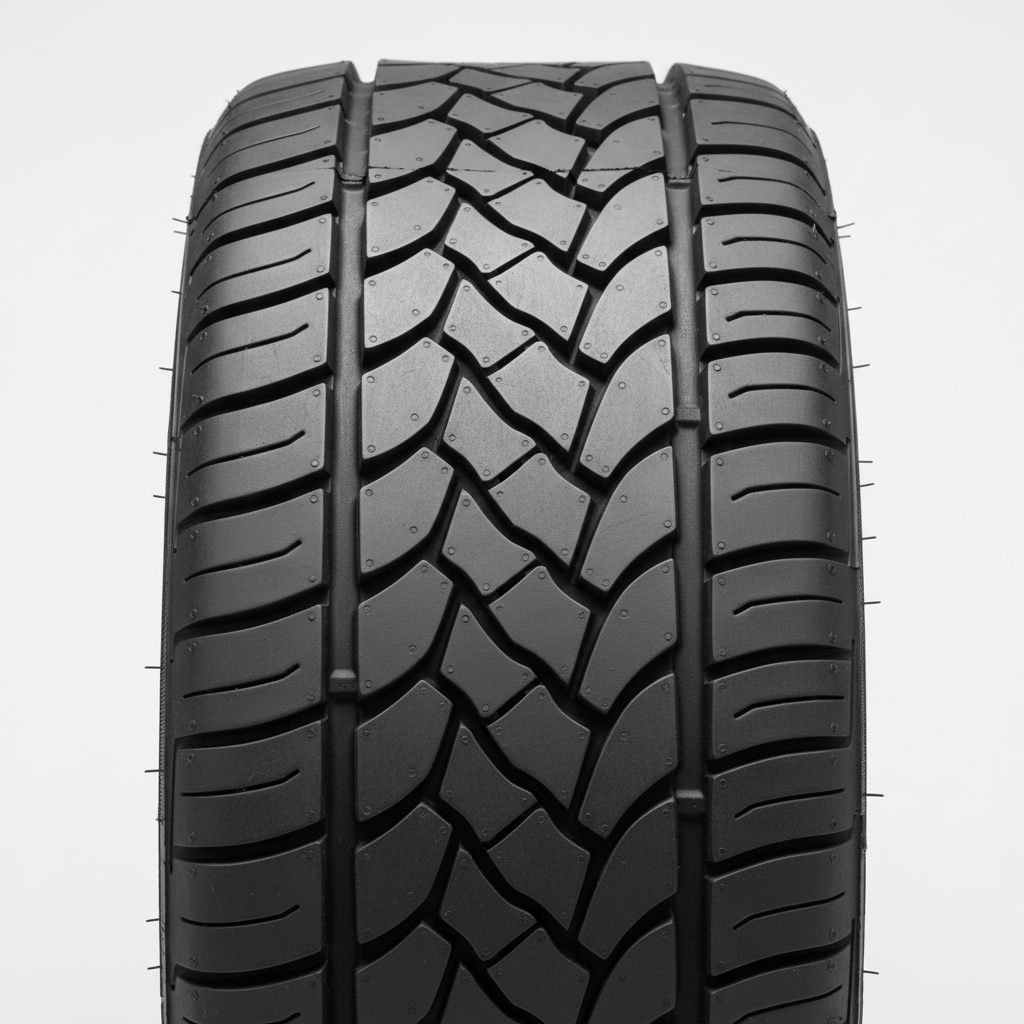
Tread depth is a critical factor in tire performance, especially in wet or icy conditions. In Newfoundland, the minimum legal tread depth is 1.6 mm, but it is advisable to replace tires when they reach 3 mm for better safety. Deeper treads provide better water displacement, reducing the risk of hydroplaning.
Understanding Tire Labels
Tire labels provide essential information about a tire's capabilities. Key details include tire size, load index, and speed rating. Ensuring that your tires are suited for your vehicle's specifications is vital for safe driving.
Additionally, look for the "M+S" (mud and snow) or the three-peak mountain snowflake symbol, which indicates that the tire meets the necessary standards for winter conditions.
Conclusion
Understanding and adhering to tire regulations in Newfoundland is essential for safe driving. By choosing the right tires and maintaining them properly, drivers can navigate the province's challenging roads with confidence and peace of mind. Stay informed and proactive about your tire choices to enjoy a safer, smoother driving experience.