
Understanding Tire Tread: How to Know When It's Time for a Change


Understanding Tire Tread: How to Know When It's Time for a Change
Having a firm grasp on tire tread depth is crucial for ensuring your safety on the road. Tire treads provide the necessary grip for your vehicle, especially in adverse weather conditions like rain or snow. But how do you know when it's time to replace your tires?
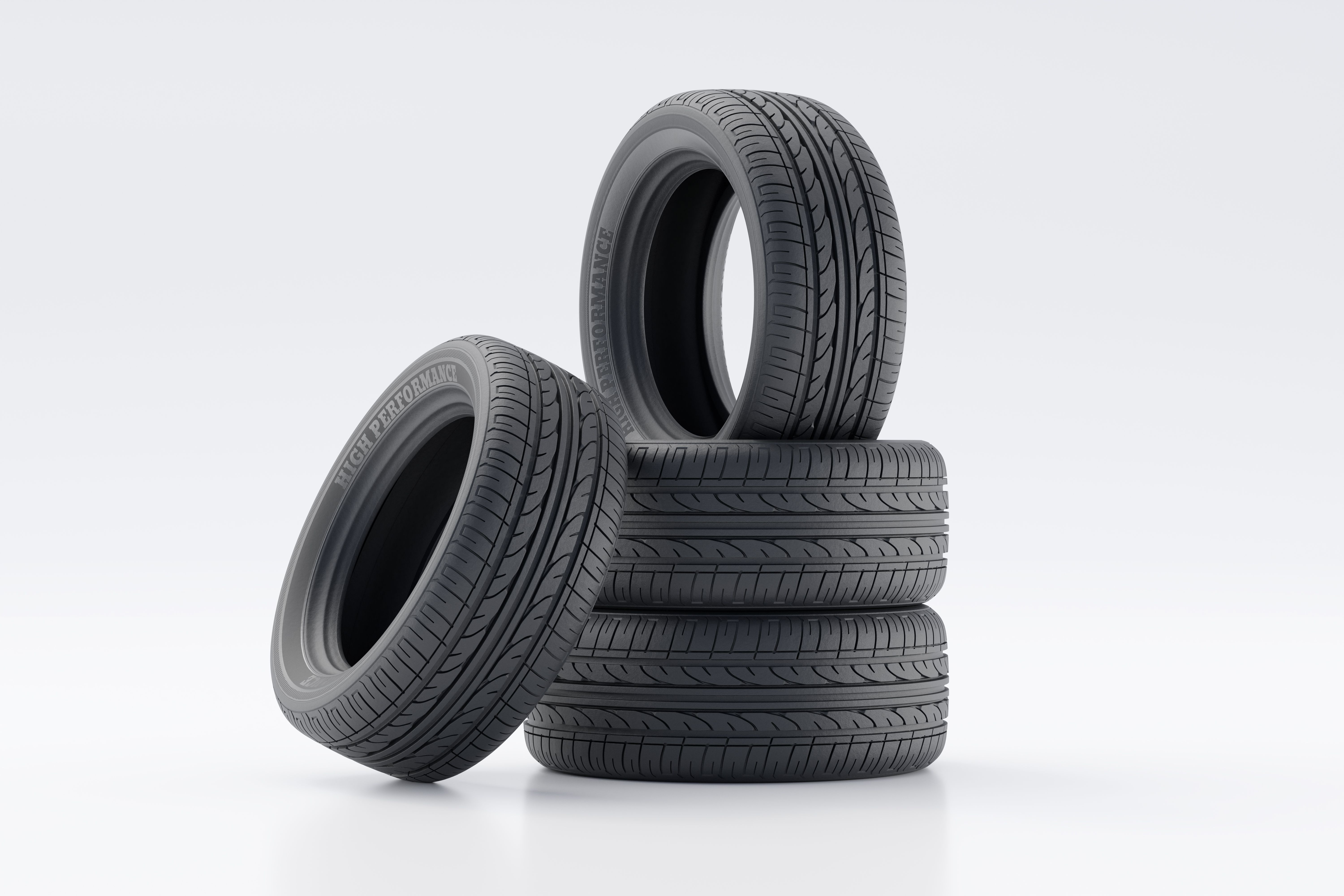
What is Tire Tread?
Tire tread refers to the rubber on the wheel that makes contact with the road. It includes grooves and patterns designed to enhance traction by channeling water away, thereby preventing hydroplaning. As you drive, the tread wears down, reducing its effectiveness.
A new tire typically starts with a tread depth of about 10/32 to 11/32 inches. As the tread depth decreases, so does the tire's ability to grip the road, leading to longer stopping distances and decreased safety.
Signs Your Tires Need Replacing
There are several indicators that your tires may need replacing. These include:
- Visible wear bars: Many tires have built-in tread wear bars that become visible when the tread is worn down to 2/32 of an inch, signaling it's time for a replacement.
- Uneven tread wear: This can result from improper inflation, misalignment, or suspension issues, and often requires a tire change.
- Cracks or bulges: Any visible damage on the tire sidewalls is a clear indicator that the tire needs to be replaced.

The Penny Test
A simple way to measure tread depth is the penny test. Insert a penny into the tread grooves with Lincoln’s head facing down. If you can see the top of Lincoln’s head, your tread depth is less than 2/32 inches, and it’s time for new tires.
Regularly checking your tire tread can prevent unexpected issues and ensure optimal performance. It's a quick and easy task that can make a significant difference in your driving safety.
Maintaining Tire Health
Regular maintenance can extend the life of your tires. Here are a few tips:
- Check tire pressure monthly.
- Rotate your tires every 5,000 to 8,000 miles.
- Align your wheels annually or as needed.
- Inspect for irregular wear and damage regularly.
By understanding tire tread and keeping up with regular maintenance, you can ensure a safer driving experience. Always consult a professional if you’re unsure about the condition of your tires. Your safety is paramount, and keeping your tires in good condition is a critical part of responsible vehicle ownership.